

That earthy, stale odor coming from your basement or crawl space is not just a quirk of an older home. It is a warning signal. In Seattle’s Central District, where craftsman bungalows and early 20th-century homes sit on clay-heavy glacial soils, that smell almost always traces back to one source: moisture that has found its way in and cannot get out.
This guide breaks down exactly why older Seattle homes develop musty odors, how to identify what level of problem you are dealing with, and when to call a professional before a sensory annoyance turns into a structural emergency.
Why Seattle’s Climate Makes Older Homes Especially Vulnerable
Seattle averages over 37 inches of rain annually, but the bigger threat is not the rain itself. It is the persistent atmospheric humidity that settles in between storms. During the city’s extended overcast season, relative humidity regularly climbs above 75 to 85 percent indoors in poorly ventilated homes. At those levels, wood framing, drywall paper, and subfloor sheathing become food sources for mold and mildew.
Homes built before modern vapor barrier requirements were put in place face compounded risk. The Washington State Energy Code now mandates vapor retarders in crawl spaces and wall assemblies, but homes built decades prior have none of these protections. Cold outside air meets warm indoor air in the wall cavities, and condensation forms inside the structure where no one can see it.
Neighborhoods like Capitol Hill, Beacon Hill, and Queen Anne sit on steep topography where glacial till and clay-heavy soils shed water poorly. That water migrates laterally through the soil and exerts hydrostatic pressure against your foundation walls. Even a foundation that looks solid from the outside can seep moisture through microscopic pores, especially in older poured concrete or brick basements.
The Most Common Moisture Sources Behind That Smell
Crawl Space Moisture and Soil Evaporation
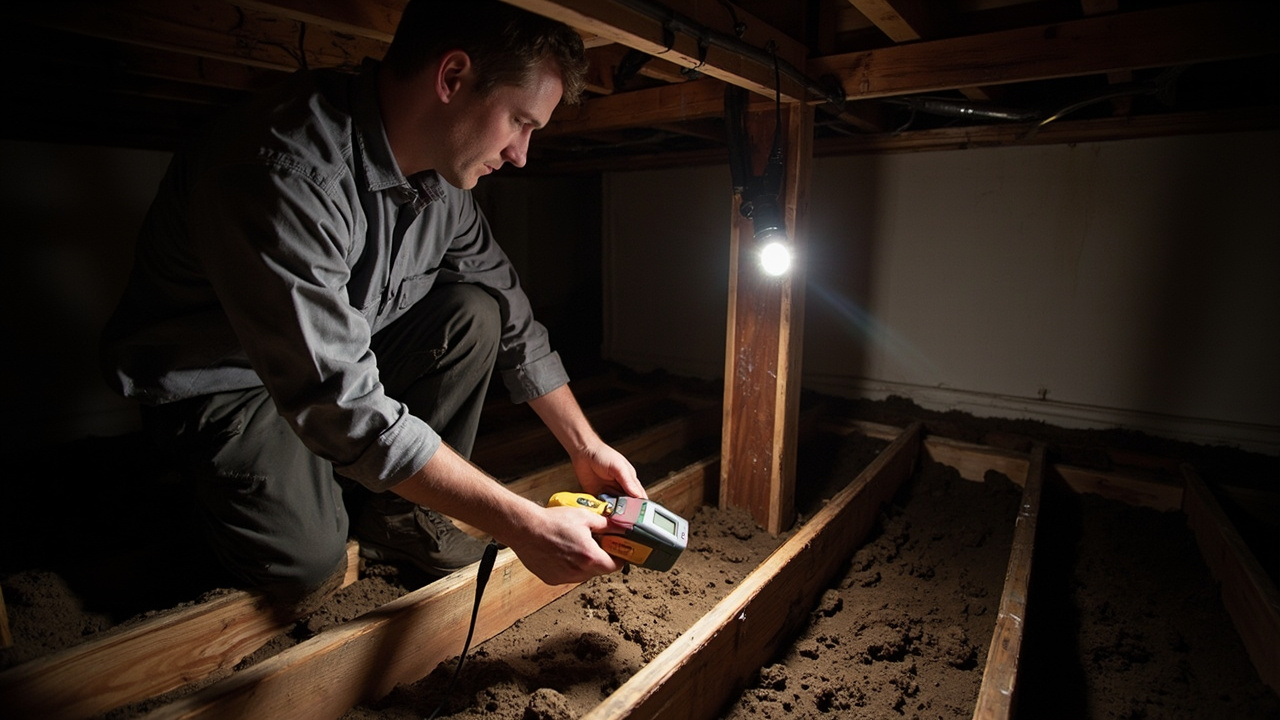
The crawl space beneath many Central District craftsman and bungalow homes is the single biggest source of musty odors in Seattle. Bare soil in an unencapsulated crawl space releases moisture continuously through evaporation. That vapor rises through floor joists and into your living space.
Even in dry summer months, the soil under a Seattle home can hold significant moisture from the preceding rainy season. Without a properly installed vapor barrier, this creates a year-round humidity source that no amount of surface-level cleaning will fix.
Crawl space encapsulation addresses this at the source. A sealed, heavy-gauge polyethylene liner covers the soil entirely and is sealed to the foundation walls. Combined with a crawl space dehumidifier, it prevents ground moisture from entering the building envelope altogether. If you have noticed your floors feeling cold or slightly springy, crawl space moisture may already be affecting your subfloor structure.
Basement Hydrostatic Pressure and Efflorescence
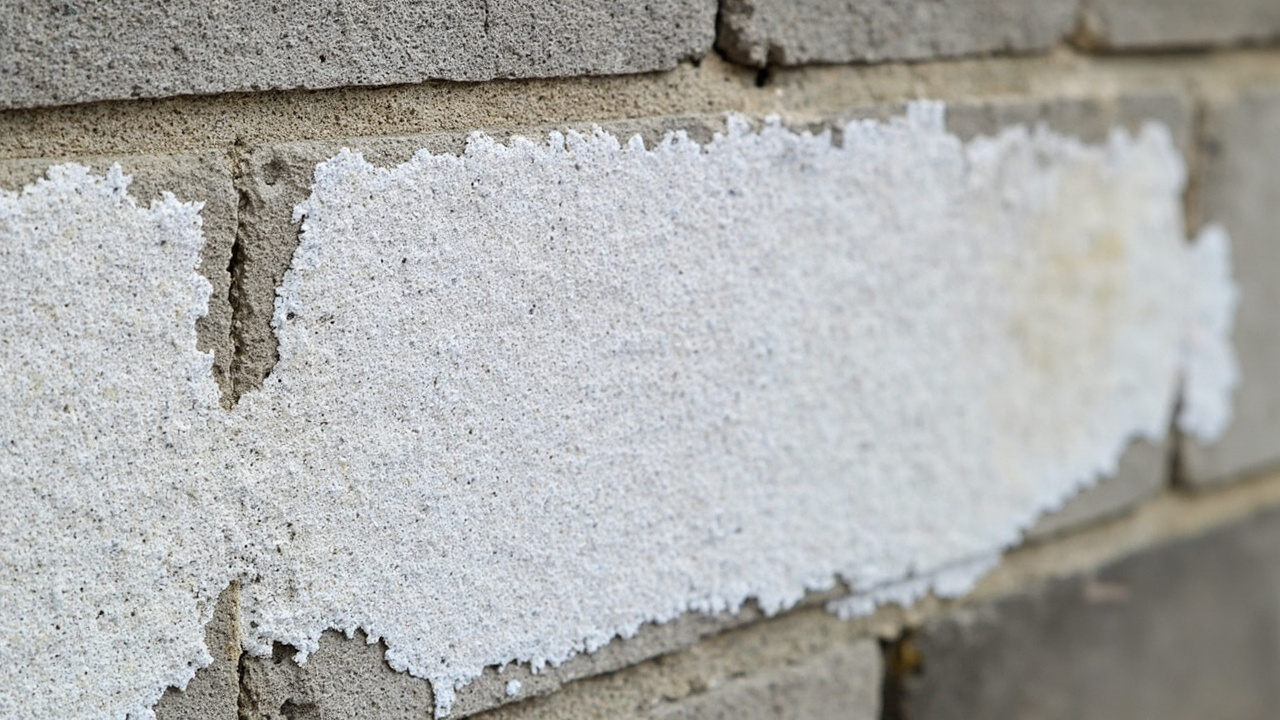
If you see white chalky deposits on your basement walls, that is efflorescence. It forms when water moves through concrete or masonry, dissolving mineral salts and depositing them on the surface as the water evaporates. It is a reliable indicator of ongoing water intrusion driven by hydrostatic pressure.
Homes in Ballard, Fremont, and the lower elevation blocks of Capitol Hill sit in areas where the water table rises considerably during heavy rain events. During an atmospheric river event, the ground around your foundation can become fully saturated within hours. That pressure pushes moisture inward whether or not there is an obvious crack present.
A sump pump is often the first line of defense in these situations. But sump pump failure during a heavy Seattle rain event is a serious scenario. If the pump loses power, if the float switch sticks, or if the discharge line freezes during a cold snap, a dry basement can flood within minutes. If your home has a sump pit, test it quarterly. If you want more detail on managing a flooded basement, this guide on what to do when your Ballard basement floods during a storm covers immediate response steps.
Attic Condensation from Inadequate Venting
In the winter, Seattle homeowners do something understandable. They seal up the house to retain heat. The problem is that cooking, showering, and breathing produce moisture-laden air that then rises into the attic. Without proper soffit-to-ridge ventilation, that warm moist air hits the cold roof sheathing and condenses.
Over a Seattle winter, an attic with poor ventilation can accumulate enough moisture to cause visible mold growth on the underside of the roof deck. That mold colony produces microbial volatile organic compounds, or MVOCs, which are the specific chemical compounds your nose detects as a musty smell. The odor then migrates down through ceiling fixtures and HVAC return ducts into the living space below.
Hidden Water Leaks Behind Drywall
Slow plumbing leaks behind walls are notoriously hard to detect until the musty smell appears. In older craftsman homes with original copper or galvanized supply lines, small pinhole leaks can go unnoticed for months. The water soaks into drywall, migrates into framing cavities, and creates a dark, humid environment perfect for mold colonization.
If you notice a musty odor that is strongest in one specific room or near a bathroom wall, a hidden leak is a strong possibility. Staining, soft spots in drywall, or peeling paint are secondary signs. Residents in Queen Anne dealing with this type of issue can find specific guidance through this resource on burst pipes and plumbing emergencies in Queen Anne.
Musty Smell Versus Active Mold Growth
A musty smell does not automatically mean you have a major mold infestation. But it does mean conditions exist that support mold growth. The distinction matters because it determines the urgency and type of professional response you need.
| Condition | Indicators | Urgency Level | Recommended Action |
|---|---|---|---|
| Elevated Humidity Only | Musty odor, condensation on windows, no visible mold | Moderate | Moisture assessment, dehumidification, ventilation improvements |
| Mildew Growth | Surface discoloration on tile, grout, or wood, easy to wipe off | Moderate | Surface cleaning, ventilation correction, moisture source identification |
| Mold Colony (Cladosporium or Penicillium) | Persistent odor, fuzzy growth on walls or wood, allergy symptoms | High | Professional remediation, HEPA air scrubbing, source elimination |
| Black Mold (Stachybotrys chartarum) | Dark greenish-black patches, chronic respiratory symptoms, water-damaged drywall | Urgent | Immediate professional containment and remediation, do not disturb |
| Dry Rot | Crumbling, cubicle-fractured wood, loss of structural integrity | High to Critical | Structural assessment, full wood replacement, moisture elimination |
The PNW mold species most commonly found in Seattle homes are Cladosporium and Penicillium. These are not as acutely toxic as Stachybotrys, but chronic exposure to their spores and MVOCs is linked to respiratory irritation, headaches, and worsened asthma symptoms, particularly in children and elderly residents. The Washington State Department of Health provides specific guidance on mold health impacts for Washington residents that is worth reviewing if anyone in your household has ongoing symptoms.
If you have mold on damp walls and want to understand what professional removal entails, this guide on professional mold removal for homeowners covers the process in detail.
Immediate Steps to Take Before the Restoration Team Arrives
- Identify and Stop the Water Source
Shut off the water supply at the main valve if you suspect an active plumbing leak. If the source is exterior water intrusion, move belongings off the floor in affected areas immediately.
- Increase Airflow Without Spreading Spores
Open windows in non-affected areas of the home to bring in drier air. Do not use fans to blow air directly across any visible mold growth, as this disperses spores to other areas.
- Document Everything Photographically
Photograph all visible moisture damage, staining, and any mold growth from multiple angles. This documentation supports your insurance claim and helps the restoration team assess scope before arriving.
- Run Dehumidifiers if Available
If you own a portable dehumidifier, deploy it in the affected area. Empty the collection reservoir frequently. Every pint of water removed is moisture that cannot feed further mold growth.
- Do Not Disturb Suspected Black Mold
If you see dark greenish-black growth on drywall or wood, do not scrub or spray it. Stachybotrys releases the highest concentration of spores when physically disturbed. Seal off the room and wait for professional containment.
- Check Your Crawl Space Hatch
If you can safely access the crawl space, look for standing water, visible mold on the sill plates and joists, or condensation on the subfloor. Report your findings to the restoration team before they arrive.
What the Professional Remediation Process Actually Involves
Understanding what a professional restoration team does helps you ask the right questions and evaluate the scope of work being proposed. A thorough remediation job for a Central District home typically follows a clear sequence.
Moisture Mapping and Thermal Imaging
Before any drying or remediation begins, a certified technician uses a combination of moisture meters and thermal imaging cameras to map the full extent of moisture within the structure. Thermal imaging detects temperature differentials that indicate evaporative cooling from wet materials inside walls and ceilings, making hidden moisture visible without demolition.
This step is non-negotiable in older homes. Skipping it leads to incomplete drying and mold recurrence months after remediation.
Containment and HEPA Air Filtration
In any area with active mold growth, the work zone is sealed with polyethylene sheeting and negative air pressure is established using HEPA-filtered air scrubbers. This prevents cross-contamination to other areas of the home during the remediation process. HEPA filtration captures particles down to 0.3 microns, which is well within the size range of mold spores.
Structural Drying to IICRC Standards
The restoration industry standard for structural drying is governed by the IICRC S500 Standard for Professional Water Damage Restoration. This protocol defines specific psychrometric targets for temperature, relative humidity, and air movement that must be achieved before a structure is considered dry. Achieving these targets requires commercial-grade refrigerant and desiccant dehumidifiers, not consumer equipment.
Drying timelines vary based on materials. Concrete slabs take significantly longer to dry than drywall. Engineered wood subfloors are more moisture-sensitive than solid wood. A certified IICRC technician documents daily psychrometric readings to track progress and determine when the structure has reached its dry standard.
Antimicrobial Treatment and Material Assessment
After drying, affected surfaces receive an EPA-registered antimicrobial treatment to address residual mold spores. Porous materials like drywall and insulation that have sustained mold growth are typically removed rather than treated, since full remediation of porous materials is not reliably achievable. Non-porous surfaces like concrete and treated wood can be cleaned and treated in place.
Comparing Moisture Problems by Severity and Cost Factors
| Problem Type | Typical Source | Time to Address | Cost Drivers | DIY Viable? |
|---|---|---|---|---|
| High Relative Humidity | Inadequate ventilation, no vapor barrier | Days to weeks | Dehumidifier installation, ventilation upgrades | Partial |
| Crawl Space Moisture | Soil evaporation, no encapsulation | 1 to 3 days for installation | Square footage, drainage board, dehumidifier | No |
| Basement Seepage | Hydrostatic pressure, failed waterproofing | Varies by system type | Interior drain tile, sump system, exterior excavation | No |
| Mold Remediation (limited) | Surface mold in single area, small footprint | 1 to 2 days | Extent of growth, material type, access | Limited, with precautions |
| Mold Remediation (extensive) | Multi-area growth, inside walls, attic | 3 to 7 days | Demolition scope, air quality testing, material replacement | No |
| Attic Condensation and Mold | Poor ventilation, blocked soffits | 2 to 5 days | Roof deck replacement, ventilation retrofit, cleaning | No |
A Real Central District Scenario
Earlier this year, a homeowner in the Central District contacted Evergreen Water Damage Restoration after noticing a persistent musty odor on the ground floor of their 1920s craftsman bungalow. The smell had been present through the winter but intensified in spring.
Thermal imaging revealed moisture inside the east-facing exterior wall, originating from a failed flashing detail around a bathroom vent pipe penetration. The moisture had wicked into the wall cavity over multiple rainy seasons and produced a significant Penicillium colony inside the stud bay. The crawl space showed bare soil with no vapor barrier and elevated joist moisture readings well above the IICRC drying standard.
The job required containment and HEPA scrubbing, selective drywall removal and replacement, structural drying of the framing, crawl space encapsulation with a sealed liner and dehumidifier, and correction of the failed flashing detail. The total project took four days. The smell was gone the day containment was removed.
That scenario is common in older Central District, Capitol Hill, and Beacon Hill homes. The underlying architecture creates moisture pathways that take years to manifest as symptoms. Responding to the first musty odor is almost always less disruptive and less costly than waiting for the problem to escalate. For residents who discover water damage alongside these odor issues, this resource on fast water damage response in Capitol Hill explains how to get prompt professional help.
Relative Humidity Targets for Seattle Homes
Managing indoor relative humidity is the foundation of long-term moisture control. Seattle’s outdoor humidity swings create pressure on your home’s ability to stay within safe ranges. The general target for occupied living spaces is between 40 and 55 percent relative humidity year-round.
During the winter heating season, indoor air tends to dry out as you heat cold exterior air. Many Seattle homeowners do not realize their house is simultaneously too humid in the crawl space and basement while being adequately dry in the main living areas. Zone-level humidity monitoring is the most accurate way to understand what is happening throughout your home.
If you are dealing with moisture damage that has spread to finished areas of the home, including floors or walls in your main living space, this guide on protecting floors from water and sewage damage is relevant reading for understanding what is at stake when moisture reaches finish materials.
Frequently Asked Questions
Is a musty smell in my Seattle home always a sign of mold?
Not always, but it is always a sign of excess moisture. Musty odors are produced by MVOCs, which are chemical byproducts of microbial activity including mold and mildew. Even when visible mold is not present, the conditions that produce the odor are the same conditions that allow mold to establish. A professional moisture assessment will tell you whether active growth is present.
How long does professional mold remediation take in an older Seattle home?
Scope varies significantly. A single affected area with limited mold growth and accessible surfaces may take one to two days. A larger project involving attic remediation, crawl space encapsulation, and wall cavity work in an older craftsman typically runs three to seven days. Structural drying timelines are determined by daily psychrometric measurements, not fixed schedules.
Can I just use bleach on mold in my basement?
Bleach is effective on non-porous surfaces like tile and sealed concrete, but it does not penetrate porous materials like drywall, wood framing, or insulation. On those materials, it discolors surface growth without killing the colony inside the material. For any mold growth on structural wood or drywall, professional remediation with HEPA containment and material removal is the appropriate response.
Does my homeowner’s insurance cover mold remediation?
Washington homeowner’s insurance policies vary widely on mold coverage. Most policies cover mold remediation when it results directly from a covered peril such as a burst pipe or appliance failure. Mold resulting from long-term seepage or deferred maintenance is typically excluded. Document the moisture source carefully and contact your insurer before work begins. A professional restoration company can provide the documentation needed to support a claim.
If your home has developed a musty odor, the most important step is an accurate diagnosis. Evergreen Water Damage Restoration serves Central District homeowners along with residents in Shoreline, Bellevue, West Seattle, and throughout the greater Seattle metro. Call for a moisture assessment before a manageable problem becomes a structural one. Restoration is far easier at the odor stage than after the damage has spread.