

This Is a Biohazard Emergency, Not Just a Mess
If a toilet on the floor above yours just overflowed, water is moving through your ceiling right now. Every minute it sits, it soaks deeper into the subfloor, insulation, and drywall. In a dense First Hill apartment building near Swedish Medical Center or Harborview Medical Center, one overflowed toilet can affect two, three, or even four units before anyone realizes what happened.
Stop what you are doing. This guide walks you through exactly what to do in the next 30 minutes, what to avoid, and why this type of water damage is categorized as a serious health risk under IICRC S500 Standard and Reference Guide for Professional Water Damage Restoration guidelines.
Why Toilet Overflow Water Is Classified as Category 3 Black Water
Not all water damage is equal. The IICRC S500 standard divides water intrusion into three categories based on contamination level.
| Water Category | Source | Health Risk | DIY Cleanup Safe? |
|---|---|---|---|
| Category 1 (Clean Water) | Supply line break, faucet overflow | Low | Yes, with caution |
| Category 2 (Gray Water) | Washing machine overflow, sink backup | Moderate | Not recommended |
| Category 3 (Black Water) | Toilet overflow, sewage backup, CSO events | Severe | No. Professional PPE required. |
Toilet water, even when the bowl looks “clean,” carries bacteria including E. coli, salmonella, and various parasites from the soil stack and drain lines it passes through. In older First Hill buildings with aging combined sewer infrastructure, the contamination risk is even higher. Seattle Public Utilities (SPU) manages a system that includes aging combined sewer overflow (CSO) infrastructure in older districts, and the plumbing stacks in dense residential towers can carry residue from dozens of units.
When that water pushes up through a toilet and soaks into a floor, it becomes an active biohazard. If it reaches your ceiling from the unit above, your living space has been contaminated. This is not a paper-towel situation.
Your First 30 Minutes — A Checklist for First Hill Renters and Owners
Acting correctly in the first half hour limits how much damage spreads. Follow these steps in order.
- Cut the water source
Find the toilet shutoff valve (it sits low on the wall behind the toilet) and turn it clockwise until it stops. If the overflow is in the unit above yours, notify that tenant or your building manager immediately so they can shut it off.
- Do not walk through standing water
Category 3 water on your floor is a biohazard. Avoid direct contact. Keep children and pets out of any affected rooms.
- Turn off electricity in the affected area
Water and electricity are a fatal combination. If water has reached ceiling fixtures or outlets, trip the circuit breaker for that room or call your building manager to do it.
- Call your property manager
In a multi-unit building, your landlord or property manager must be notified immediately. They carry the master building insurance and need to document the event. This protects you legally.
- Photograph and video everything before touching it
Use your phone. Capture the ceiling staining, standing water, and any damaged belongings. These images are your insurance documentation. Do not move or clean anything until you have thorough visual evidence.
- Call a licensed water damage restoration company
A professional crew certified to handle Category 3 black water needs to be on-site as fast as possible. Evergreen Water Damage Restoration serves the 98104 and 98122 zip codes and targets a response window suited to First Hill’s dense, high-rise residential layout.
- Open windows if safe to do so
Ventilation slows the buildup of harmful microbial gases. Seattle’s ambient humidity is already high, often sitting above 80% in winter months, so cross-ventilation matters even if the outside air feels damp.
What Happens Inside Your Walls After a Toilet Overflow
First Hill’s housing stock includes everything from 1960s concrete-frame apartment towers to converted Victorian-era buildings near Broadway and Madison Street. The type of construction in your building directly affects how fast water damage spreads and how difficult it is to remediate.
In a modern multi-story building, water from an upper-floor toilet travels through the subfloor, hits the concrete deck, and then follows the path of least resistance, usually through utility chases or into the dropped ceiling of the unit below. In older wood-frame structures, it saturates floor joists rapidly and can reach structural members within an hour.
Drywall absorbs contaminated water like a sponge. Within 24 to 48 hours, mold can begin colonizing wet drywall paper in Seattle’s humid conditions. The Seattle Residential Code (SRC) moisture control standards set baseline requirements, but once contamination has occurred, those standards are a starting point, not a finish line.
If you have experienced water damage from a burst pipe in another part of Seattle, the principles are similar, but the contamination risk is categorically higher with toilet overflows. Our guide on what to do during a burst pipe in Queen Anne covers some of those shared structural concerns.
How Professional Toilet Overflow Cleanup Actually Works
Here is what a certified restoration crew does when they arrive at your First Hill apartment. This is not a general overview. This is the actual process under IICRC S500 standards for Category 3 water intrusion in a multi-unit residential setting.
Containment and Safety Assessment
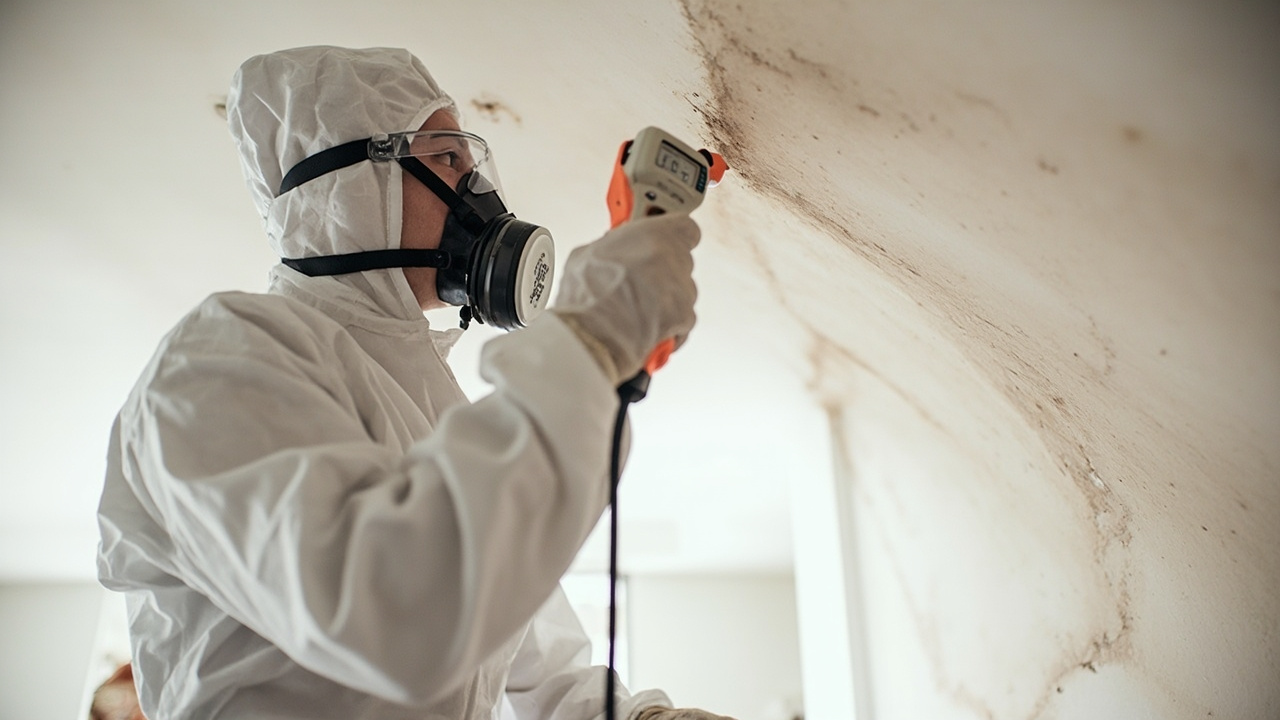
Technicians wearing full PPE, including N95 respirators, nitrile gloves, and protective suits, enter the space and immediately assess the perimeter of contamination. In a building where toilet overflow water has traveled between floors, this means inspecting both the source unit and any units below using moisture meters and thermal imaging cameras.
Containment barriers go up to prevent cross-contamination to unaffected areas. Negative air pressure machines may be deployed to stop airborne pathogens from spreading through shared HVAC systems.
Extraction of Biohazardous Water
Truck-mounted extraction units pull standing Category 3 water from flooring, carpet, and saturated materials. All extracted material is classified as biohazardous waste and disposed of in compliance with Washington State Department of Ecology biomedical and infectious waste disposal regulations, which are stricter than many other states and differ significantly from generic national guidelines.
This is a key distinction. A national franchise may follow federal EPA guidelines as a baseline. In Washington State, SPU and the DOE impose additional compliance requirements for biohazardous waste disposal, particularly in urban drainage systems near Lake Washington or Elliott Bay. A local company that works in Seattle regularly knows this distinction. One that is headquartered elsewhere often does not.
Antimicrobial Disinfection and Deodorization
After extraction, every affected surface is treated with EPA-registered hospital-grade antimicrobial agents. This includes flooring, subfloor, wall cavities, ceiling materials, and any belongings that absorbed contaminated water. Deodorization using hydroxyl generators or thermal fogging removes the odor at a molecular level rather than masking it.
Structural Drying for Multi-Unit Buildings
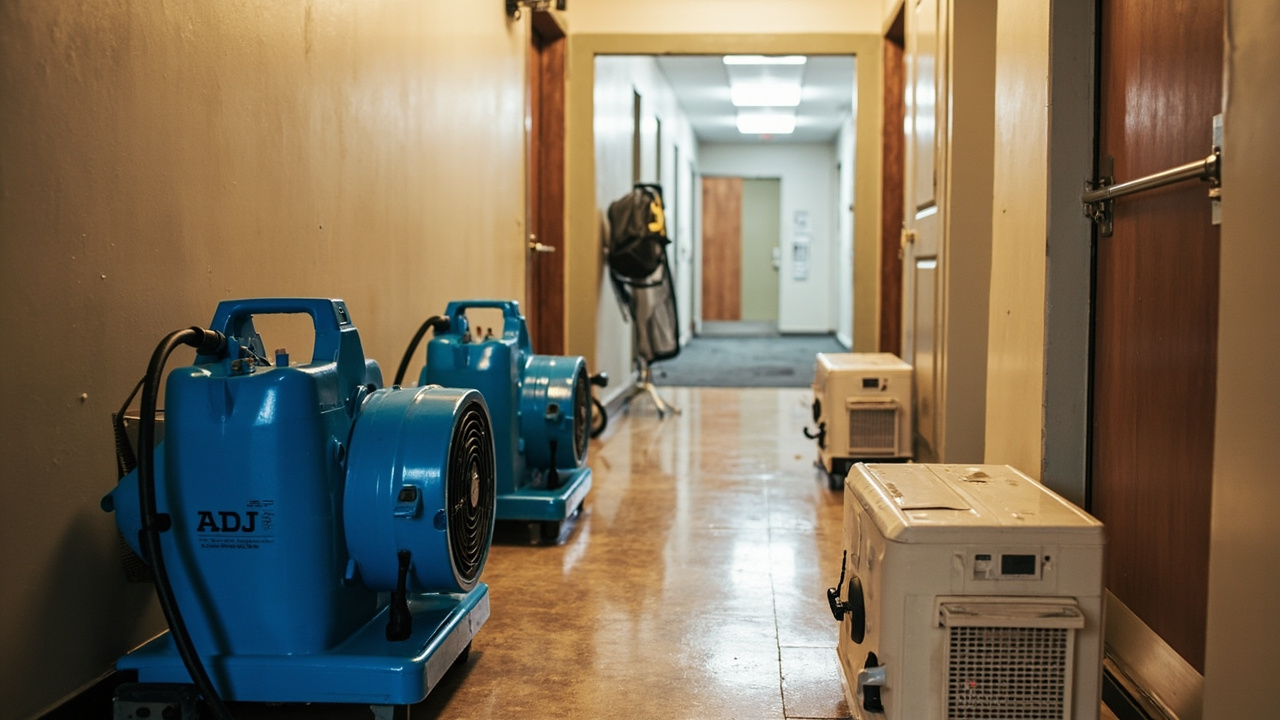
Industrial air movers and desiccant dehumidifiers run continuously, often for three to five days depending on material saturation. In a concrete-deck multi-story building, drying times can extend beyond standard projections because concrete holds moisture much longer than wood.
Technicians take daily moisture readings using pin and pinless meters, logging data against the psychrometric drying targets established for the specific material types in your unit. This documentation is not just good practice. It is what your insurance adjuster will require to approve the claim.
For comparison, here is a general timeline for what to expect at each phase of the restoration process in a typical First Hill apartment scenario.
| Restoration Phase | Typical Duration | What Happens |
|---|---|---|
| Emergency Response and Assessment | 0 to 2 hours | Crew arrives, moisture mapping, contamination perimeter established |
| Water Extraction | 2 to 6 hours | Standing Category 3 water removed, saturated materials extracted |
| Antimicrobial Treatment | Same day as extraction | EPA-registered disinfectants applied to all affected surfaces |
| Structural Drying | 3 to 7 days | Air movers and dehumidifiers run continuously with daily monitoring |
| Post-Drying Assessment and Clearance | 1 day | Final moisture readings, clearance documentation generated |
| Rebuild and Finishing | Varies by damage extent | Drywall, flooring, paint restoration as needed |
The Sewage Backup Problem Specific to First Hill Buildings
A simple toilet overflow from a clogged drain is a Category 3 event. A sewage backup, where waste pushes up from the main building stack, is worse. In older First Hill buildings, this can happen when street-level drains get overwhelmed during an atmospheric river event, which Seattle has seen with increasing frequency. When the city’s combined sewer system backs up, it can push sewage up through the lowest drains and fixtures in a building.
If you see or smell sewage coming from floor drains, bathtubs, or multiple fixtures at once, that is a sewage backup, not just an overflow. Get out of the affected area. The pathogen load is significantly higher, and the cleanup protocol is more intensive.
Our detailed resource on professional sewage cleanup in Bellevue covers how structural materials are affected when sewage contacts flooring systems, and the same principles apply to First Hill apartments.
Insurance Coordination for Washington-Based Renters and Owners
Most Washington renters with renter’s insurance have coverage for sudden and accidental water damage, which includes toilet overflows. However, the claim process requires documentation your insurer will actually accept.
Here is what Evergreen provides that speeds up the claims process with local Washington-based adjusters.
- Moisture mapping using calibrated meters, with readings logged and timestamped
- Thermal imaging reports showing hidden moisture behind walls and ceilings
- Photographic evidence from the initial assessment and each subsequent day of drying
- A written scope of work that aligns with Xactimate line items, the estimating software most Washington adjusters use
- Direct communication with your adjuster to answer technical questions about the drying process
If your building management is filing through the building’s master policy, Evergreen coordinates with commercial adjusters as well. In multi-unit scenarios, there are often competing claims between the source unit and affected units below. Having a restoration company that documents every unit’s damage separately prevents disputes during the claims process.
If you are in Capitol Hill or nearby and need to understand the general claims and response process for water events, the resource on getting fast water damage help in Capitol Hill covers the same adjuster coordination process in detail.
Why First Hill’s Density Makes This Harder Without Local Expertise
First Hill sits in zip codes 98104 and 98122, one of the most densely populated residential zones in Seattle. The neighborhood runs adjacent to major medical institutions, which means parking restrictions, narrow service access routes, and elevator-dependent building access are all factors in how fast a restoration crew can mobilize equipment.
A crew that regularly works First Hill knows which buildings have freight elevator access, which streets around Madison Street and Boren Avenue have restricted loading zones, and which building managers require coordination before equipment enters the property. A national franchise dispatching from a regional hub will figure those logistics out after they arrive. That delay costs you drying time.
Seattle’s climate compounds every delay. With average annual precipitation exceeding 37 inches and relative humidity consistently high throughout fall and winter, materials in a wet First Hill apartment do not dry on their own. Ambient humidity slows natural evaporation significantly. Professional-grade desiccant dehumidifiers and air movers are not optional. They are what the math of psychrometric drying science requires given Seattle’s baseline conditions.
Mold can begin growing in as little as 24 to 48 hours in a poorly dried space. Once mold establishes in drywall or wood framing, the remediation cost increases substantially. What Kirkland homeowners have learned about professional mold removal on damp walls applies directly to First Hill tenants who delay calling for help after a toilet overflow.
Residents in neighboring buildings along the Capitol Hill corridor, South Lake Union, and Beacon Hill face similar risks. The entire central Seattle area shares aging sewer infrastructure and dense, multi-story residential construction that makes rapid professional response a necessity rather than a preference.
What to Expect When You Call Evergreen Water Damage Restoration
When you call, you speak to a trained technician, not an answering service. You describe what you see. They dispatch a crew with the appropriate equipment for a Category 3 biohazard event in a residential multi-unit building.
The crew arrives with truck-mounted extraction units, air movers, desiccant dehumidifiers, thermal imaging cameras, and EPA-registered antimicrobial agents. Every technician on a sewage or toilet overflow call is a trained Water Damage Restoration Technician (WRT) familiar with IICRC S500 protocols.
Evergreen operates 24 hours a day, seven days a week, including holidays. Toilet overflows do not wait for business hours, and neither does the damage they cause.
If your building has experienced storm-related flooding on top of an existing plumbing event, the protocols change. The resource on what to do when a Ballard basement floods during a storm explains how combined events are triaged and why they require a different initial assessment approach.
Frequently Asked Questions
Is toilet overflow water always considered black water, even if the bowl looked clean?
Yes. Under IICRC S500 standards, any water that has passed through a toilet or sanitary drain is classified as Category 3 black water regardless of appearance. The drain lines and soil stack contain pathogens even when the bowl water looks clear. Treat it as a biohazard every time.
Who pays for the damage when the toilet that overflowed was in the unit above mine?
This depends on the cause of the overflow and the insurance policies involved. If the upstairs tenant was negligent, their renter’s insurance liability coverage may apply. If it was a building plumbing failure, the building’s master policy typically responds. Document everything immediately and notify your property manager in writing. A restoration company that provides detailed moisture mapping and per-unit damage reports makes the claims process significantly smoother.
Can I run fans from the hardware store instead of calling a professional?
Box fans from a hardware store move air but do not reduce humidity. In Seattle’s ambient conditions, running a box fan in a wet room often spreads aerosolized contaminants without actually drying the structure. Professional-grade equipment is calibrated to the psychrometric targets required to achieve documented dryness. Hardware store fans will not satisfy an insurance adjuster’s documentation requirements either.
How fast does mold grow after a toilet overflow in a Seattle apartment?
Mold can begin colonizing wet drywall and wood framing within 24 to 48 hours under Seattle’s typical indoor humidity conditions. The sooner extraction and drying begin, the lower the risk. Delayed response almost always results in a more extensive and more expensive remediation scope.