
What Edmonds Homeowners Face When Water Damage Hits
Water damage in Edmonds moves fast. A burst pipe in a home near the Bowl neighborhood, a flooded basement triggered by sump pump failure during a heavy Pacific Northwest rainstorm, or slow moisture intrusion from Puget Sound humidity — any of these can cause structural damage within 24 to 48 hours. Mold growth can begin in as little as 72 hours.
The problem is not just the water. It is the decision you have to make immediately, often while standing in several inches of standing water, about which restoration company to trust with your home and your insurance claim. That decision matters more than most homeowners realize.
This guide gives you a clear, honest checklist for vetting water restoration contractors serving Edmonds ZIP codes 98020 and 98026, so you can make a sound call under pressure.
5 Critical Criteria for Vetting an Edmonds Water Damage Contractor
IICRC Certification and Washington State Licensing
The first question to ask any contractor is whether they hold a current certification from the Institute of Inspection Cleaning and Restoration Certification (IICRC). The IICRC sets the industry standard for water damage mitigation, structural drying, and mold remediation. Look specifically for the Water Damage Restoration Technician (WRT) and Applied Structural Drying (ASD) credentials.
Beyond IICRC, confirm the company holds a valid Washington State contractor license through the Department of Labor and Industries. You can verify this at L&I’s online lookup portal. A licensed contractor in Washington must also carry general liability insurance and workers’ compensation. If a company cannot produce these on request, end the conversation.
Edmonds sits in Snohomish County, and any reconstruction work following water damage will require compliance with Snohomish County building codes. Some restoration jobs require permits for structural repairs. A legitimate contractor knows this and will either pull permits or inform you about the process before work begins.
Direct Insurance Billing and Local Adjuster Experience
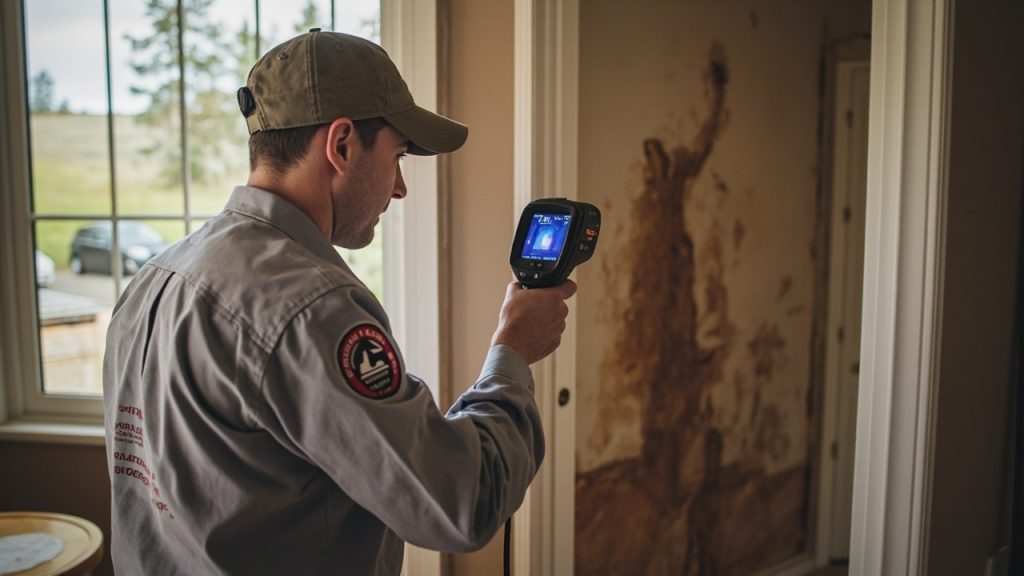
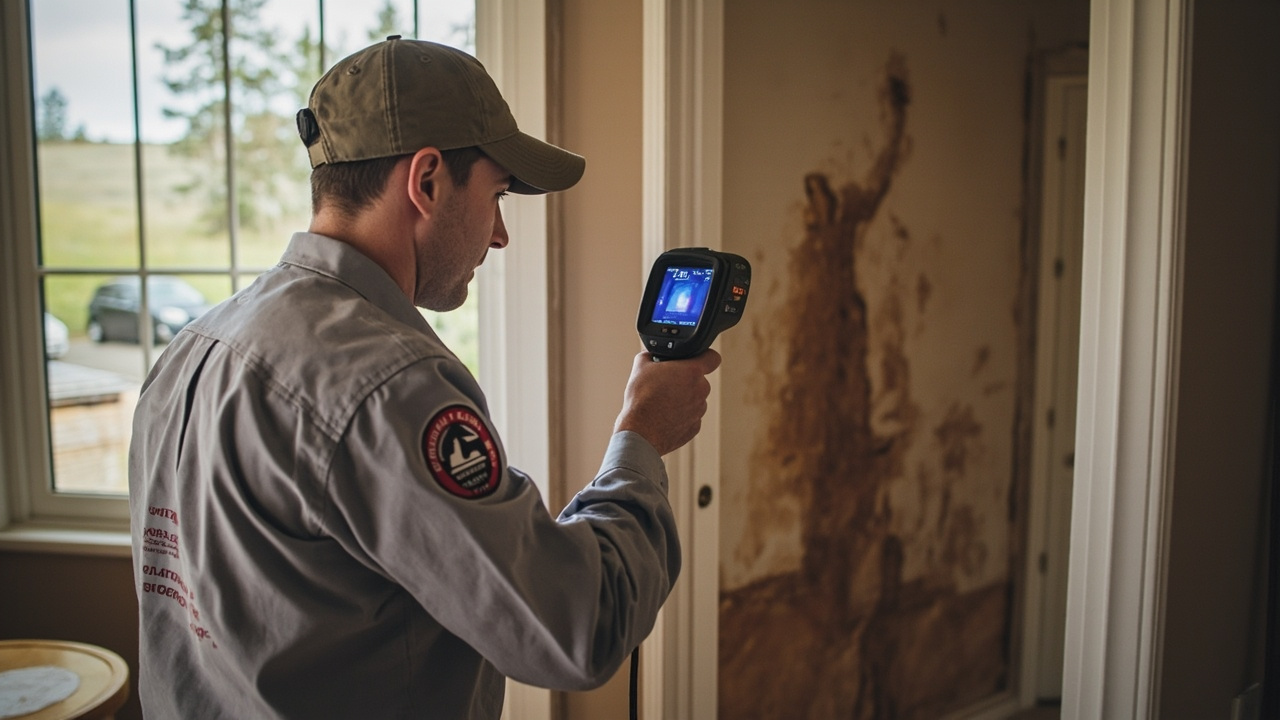
A skilled Edmonds restoration company does not just hand you a bill and disappear. They document the damage with moisture meter readings, thermal imaging reports, and psychrometric data logs that insurance adjusters require to approve claims.
If your policy is through PEMCO, Safeco, or another regional carrier common in the greater Seattle area, ask whether the company has worked with that insurer before. The adjustment process differs between carriers, and a contractor familiar with local adjusters can accelerate your claim timeline significantly.
Get clarity on direct billing before signing any authorization form. Some companies bill your insurer directly and handle documentation on your behalf. Others leave you to navigate the claim alone. For a basement flood or a burst pipe event with significant structural exposure, you want the former.
24/7 Emergency Response Time for Edmonds and North King County
Response time is not a marketing slogan. It determines how much of your home you save. Water migrates into wall cavities, subfloor assemblies, and insulation within the first two hours. After four hours, secondary damage accelerates sharply.
Ask a prospective contractor specifically how fast they can dispatch a crew to your address in Edmonds. A company based in downtown Seattle may list Edmonds as a service area but take two to three hours to arrive. A company with crews staged in north King County or southern Snohomish County can reach 98020 and 98026 in under an hour.
For homeowners in Shoreline or Kenmore who have dealt with storm flooding, the response time question is equally urgent. Fast water extraction — using truck-mounted or portable extractors — stops the spread. Every additional hour of saturation is more drying time, more cost, and more mold risk.
Equipment Standards for Structural Drying
Water extraction is the first step, but structural drying is where the technical work happens. Ask any contractor what drying equipment they use and whether they track psychrometrics throughout the project.
Psychrometrics is the science of measuring moisture in air and materials. Professional restoration technicians use readings from calibrated moisture meters, thermal hygrometers, and manometers to create a drying plan based on the specific conditions inside your Edmonds home. They then document daily readings to show drying progress.
A contractor who drops equipment and disappears for three days without monitoring is a problem. Industry standard practice calls for daily or near-daily checks, equipment adjustment based on readings, and a written drying log you can hand to your insurance adjuster.
Mold Remediation Capability and Protocol
Edmonds sits in a region where relative humidity stays elevated for much of the year. Homes near the waterfront or in the Bowl area with partially below-grade spaces are especially prone to mold growth following water intrusion events. If a contractor only extracts water and dries surfaces without addressing hidden moisture in wall assemblies or subfloor framing, mold becomes an almost certain outcome within weeks.
Ask whether the company is equipped and certified for mold remediation. This is a separate service from water extraction, and not every restoration company is qualified to perform it. For more on what professional mold remediation looks like in the greater Seattle region, see our detailed breakdown of what Kirkland homeowners need to know about professional mold removal on damp walls.
Common Water Damage Scenarios Specific to Edmonds Properties
Basement Flooding in the Bowl Area
The Edmonds Bowl neighborhood sits in a topographic depression that funnels stormwater runoff during heavy rain events. Homes here frequently experience hydrostatic pressure against foundation walls and sump pump overwhelm during atmospheric river events. Glacial till and clay-heavy soils in this area drain poorly, which makes basement flooding a recurring issue rather than a one-time problem.
If your basement floods, the priority is water extraction within the first hour, followed by dehumidification equipment placement and a full moisture survey using thermal imaging cameras to identify water that has wicked up into framing and insulation above the visible water line. For guidance on managing basement floods during storm events, the process we outline for Ballard basement flooding during a storm applies directly to Edmonds Bowl properties.
Burst Pipes in Older Edmonds Homes
Edmonds has a significant stock of mid-century and older homes with original copper plumbing. During a Big Freeze event, when temperatures drop sharply overnight, that copper can fail. A single burst pipe behind a wall can release hundreds of gallons before a homeowner notices. The water migrates through wall cavities, across subfloor assemblies, and down into lower levels before it becomes visible.
If you are dealing with a burst pipe, shut off the main water supply immediately, then call for emergency extraction. The window for limiting structural damage is narrow. For a step-by-step breakdown of what to do in those first minutes, our guide on burst pipe response in Queen Anne covers the exact sequence that applies here.
Puget Sound Humidity and Chronic Moisture Problems
Not all water damage arrives as a flood. Edmonds homes near the waterfront deal with persistent high relative humidity that drives moisture into building envelopes slowly over months and years. Peeling paint, warped hardwood, and soft spots in drywall are often the first visible signs. By the time these symptoms appear, moisture has usually been building inside wall assemblies for weeks.
A professional restoration assessment using a pin-type or pinless moisture meter can identify the extent of intrusion before visible damage becomes structural damage. Washington State Energy Code requires proper vapor barriers in new construction, but many older Edmonds homes predate those requirements and are especially vulnerable.
The Step-by-Step Restoration Process You Should Expect
- Emergency Dispatch and Site Assessment
A technician arrives on site, performs an initial moisture survey using thermal imaging and moisture meters, identifies the water category (clean water, gray water, or black water), and documents conditions for your insurance file.
- Water Extraction
Truck-mounted or portable extractors remove standing water from all affected areas. This includes carpets, subfloors, and any accessible cavities. Speed here determines how much material can be saved versus replaced.
- Controlled Demolition if Required
Saturated drywall, insulation, and flooring materials that cannot be dried in place are removed. This step follows IICRC S500 guidelines and is documented for your insurance adjuster.
- Structural Drying with Monitored Equipment
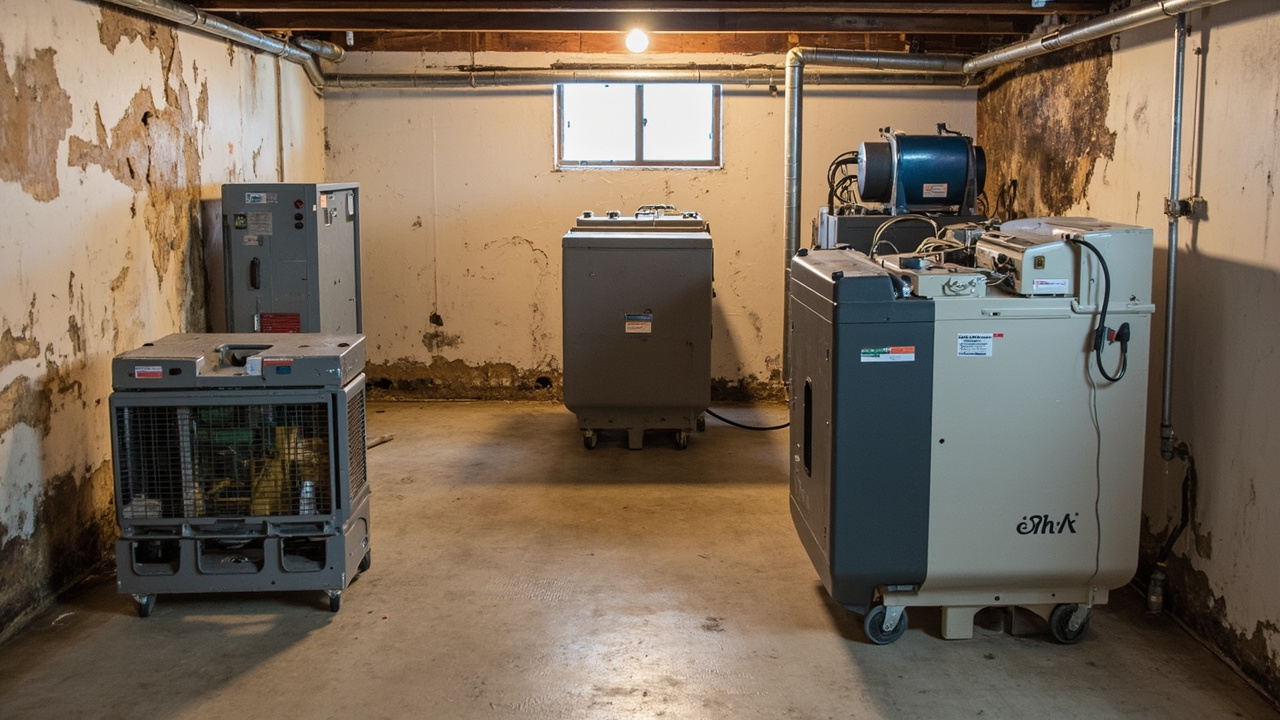
Commercial dehumidifiers, air movers, and desiccant units are placed according to a calculated drying plan. Technicians check psychrometric readings daily and adjust equipment placement to hit drying goals within the insurance-standard timeframe, typically three to five days depending on material types and saturation depth.
- Mold Prevention Treatment
Antimicrobial application to affected framing and structural surfaces reduces mold spore activity during the drying window and after equipment removal.
- Final Moisture Verification and Documentation
A certified technician takes final moisture readings across all affected areas, compares them to pre-loss baselines or accepted dry standards, and produces a completion report. This report is essential for closing your insurance claim and for protecting you if mold issues surface later.
- Reconstruction Coordination
If permits are required for structural repairs under Snohomish County codes, a legitimate contractor will manage that process or clearly explain what is needed before work begins.
Edmonds Water Damage Response Time Comparison
| Company Type | Typical Response Time to Edmonds 98020/98026 | 24/7 Availability | Local Crew Staging |
|---|---|---|---|
| National Franchise (Seattle HQ) | 2 to 4 hours | Yes | No (dispatched from central hub) |
| Independent Local Contractor (North KC/Snohomish) | 45 to 90 minutes | Varies | Yes |
| Regional Specialist with North Seattle Presence | 60 to 90 minutes | Yes | Partial |
| General Contractor Offering Restoration | 3 to 6 hours or next day | Rarely | No |
Questions to Ask Any Contractor Before You Sign an Authorization
- Are your technicians IICRC-certified in Water Damage Restoration (WRT) and Applied Structural Drying (ASD)?
- Can you provide your Washington State contractor license number right now?
- Do you carry general liability and workers’ compensation insurance, and can you send proof of coverage?
- How fast can you have a crew on site in Edmonds with extraction equipment?
- Do you track psychrometric readings daily and provide a written drying log?
- Do you handle direct insurance billing, and have you worked with my carrier before?
- If reconstruction requires a Snohomish County permit, who manages that process?
- Are you equipped to perform mold remediation if it is discovered during drying?
What Hiring Criteria Look Like Side by Side
| Vetting Criterion | Minimum Standard | Red Flag |
|---|---|---|
| IICRC Certification | WRT and ASD credentials for field techs | No certification or “in progress” |
| WA State Contractor License | Active license verifiable at L&I portal | Cannot provide license number |
| Insurance Documentation | General liability + workers’ comp | Verbal assurance only |
| Response Time (Edmonds) | Under 90 minutes for emergency extraction | “We’ll try to get there today” |
| Drying Documentation | Daily psychrometric logs, moisture meter reports | No written records provided |
| Insurance Billing | Direct billing and adjuster coordination | No experience with your carrier |
| Mold Remediation | In-house certified remediation team | Subcontracted without disclosure |
| Permit Knowledge | Familiar with Snohomish County code requirements | Unaware permits may be needed |
Why Slow Claims and Poor Documentation Cost You More Than the Flood Did
A common scenario in Edmonds water damage claims is this. A homeowner hires a contractor quickly, the contractor extracts water and places equipment, but never produces a proper psychrometric log or moisture verification report. The insurance adjuster requests documentation. The contractor cannot provide it. The claim stalls for weeks. Coverage disputes arise over whether all the damage was pre-existing or storm-related.
This situation is avoidable. The IICRC S500 standard, which is the governing document for professional water damage mitigation in the United States, requires specific documentation at every phase of a restoration project. A contractor who follows this standard gives your insurance adjuster exactly what they need to process your claim without friction.
For Edmonds homeowners with policies through regional carriers, the difference between a well-documented claim and a poorly documented one can be significant. Ask your contractor to walk you through the documentation package they will produce before you authorize any work.
For urgent situations affecting your property in Capitol Hill or other Seattle neighborhoods, our guide on getting fast water damage help in Capitol Hill without the wait covers the same principles of documentation and response that apply throughout the region.
The Cost Factors That Vary for Edmonds Properties
Water damage restoration pricing in Edmonds is driven by several variables specific to local conditions. Older homes with lath-and-plaster construction absorb moisture differently than modern drywall and often require longer drying times, which increases equipment rental costs. Homes with finished basements in the Bowl area typically require more demolition to access saturated framing, which affects labor costs.
Debris disposal in Snohomish County follows specific regulations for materials containing lead paint or asbestos-containing compounds, which are found in homes built before the 1980s. If your Edmonds home predates that era, expect an additional step for hazardous material testing before any demolition begins. A contractor who skips this step is exposing you to liability and potential code violations.
Response time surcharges for after-hours emergency calls vary by company. Ask specifically whether the contractor charges a higher rate for weekend or overnight dispatch. Transparency here is a good indicator of overall business integrity.
If you are dealing with sewage backup as part of your water damage event, the remediation protocol and cost structure are more involved. Our breakdown of why professional sewage cleanup matters before floors are ruined explains the category 3 water handling standards that apply in those situations.
Frequently Asked Questions
How do I verify an IICRC certification for a contractor in Edmonds?
You can search the IICRC’s online certification directory at iicrc.org to confirm whether a technician or company holds a valid credential. Ask the contractor for the individual technician’s certification number, not just a company-level claim. Individual WRT and ASD certifications must be renewed, so verify the expiration date as well.
Does homeowners insurance in Washington State cover water damage from burst pipes?
Most standard Washington State homeowners policies cover sudden and accidental water damage from burst pipes. Damage from gradual leaks or flooding from external sources typically requires separate coverage. The key is immediate reporting and proper documentation from a licensed restoration contractor. Delayed reporting or inadequate documentation is the most common reason claims are reduced or denied.
How long does structural drying typically take for a flooded basement in Edmonds?
For a Category 1 basement flood in a typical Edmonds home, professional drying with commercial-grade dehumidifiers and air movers usually takes three to five days to reach industry dry standards. Homes with concrete block foundations, older insulation types, or finished wall assemblies may take longer. Daily moisture meter readings determine when equipment can be removed safely.
Do I need a permit for repairs after water damage in Snohomish County?
Permit requirements in Snohomish County depend on the scope of work. Cosmetic repairs like replacing drywall in kind typically do not require a permit. Structural repairs, changes to plumbing, or work exceeding a certain square footage threshold may require permits from Snohomish County’s Department of Planning and Development Services. A licensed contractor operating in Edmonds should be able to tell you at the assessment stage whether permits will be needed.
Evergreen Water Damage Restoration serves Edmonds and the surrounding north King County and Snohomish County communities with 24/7 emergency dispatch, IICRC-certified technicians, and direct insurance billing coordination. If you are dealing with active water damage right now, call immediately. The first hour matters most.