
How to Save Your Pinehurst Mid-Century Modern Home from Hidden Pipe Leaks
Mid-century modern homes in Pinehurst built between 1950 and 1970 are beautiful architectural gems but they harbor a ticking time bomb beneath their walls. Galvanized steel pipes installed during that era corrode from the inside out, creating pinhole leaks that can destroy your home’s structure before you ever see water. The Pacific Northwest’s high humidity and acidic soil accelerate this corrosion process, making Pinehurst homes especially vulnerable. How to Get Fast Water Damage Help in Capitol Hill Without the Wait.
You can protect your investment by learning the warning signs of hidden pipe leaks, understanding the specific risks your mid-century home faces, and knowing when to call professionals before minor damage becomes catastrophic. This guide covers everything you need to know about detecting, preventing, and addressing hidden pipe leaks in your Pinehurst home. Why You Need Professional Sewage Cleanup in Bellevue Before Your Floors Are Ruined.
Why Pinehurst Mid-Century Homes Are at Risk
Pinehurst’s mid-century modern homes share common construction patterns that create perfect conditions for hidden pipe failures. These homes typically feature:
- Galvanized steel water supply lines that corrode internally over 40-60 years
- Copper pipes joined with lead-based solder that deteriorates in acidic Seattle water
- Cast iron drain pipes that crack and leak under soil pressure
- Slab foundations that hide leaks until major damage occurs
The combination of aging materials and Seattle’s environmental factors creates a perfect storm. King County’s glacial till soil contains high mineral content that accelerates pipe corrosion, while the area’s average 37 inches of annual rainfall keeps soil constantly moist against underground pipes.
Warning Signs of Hidden Pipe Leaks
Hidden pipe leaks in mid-century homes often develop slowly, making early detection crucial. Watch for these specific warning signs that indicate trouble beneath your walls or floors:
Visual Indicators
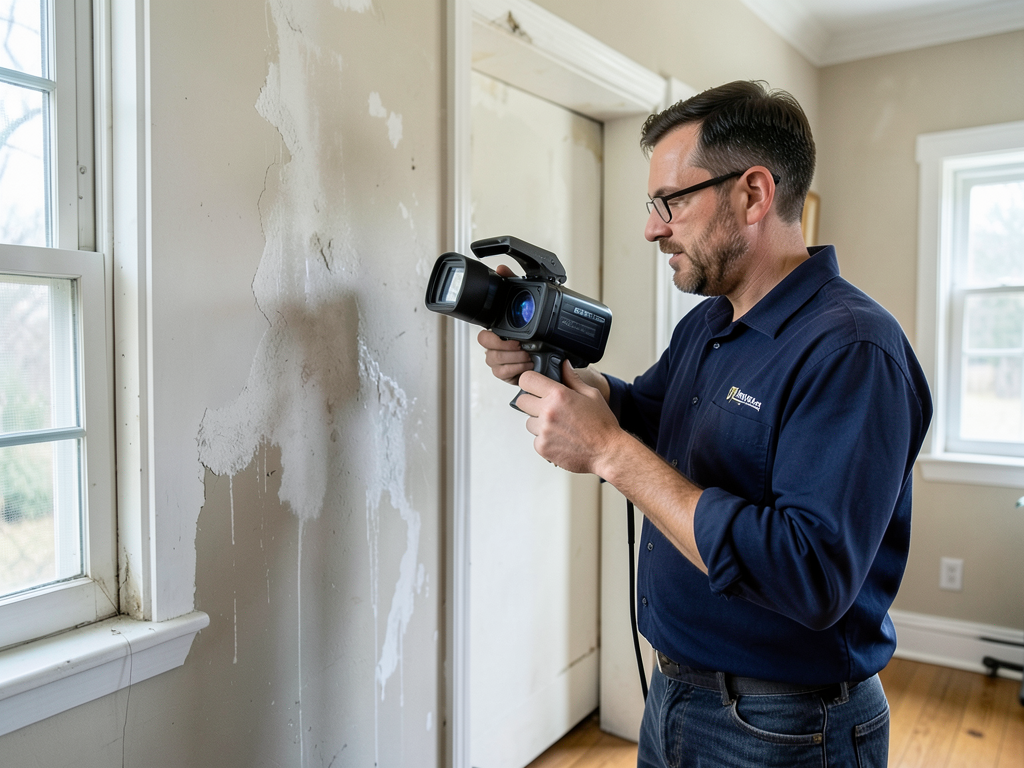
Water stains on walls or ceilings that appear without obvious cause often indicate a slow leak. These stains may start small and grow over weeks or months. Look for discoloration that’s yellow, brown, or copper-colored, depending on the pipe material. Water Damage Restoration Shoreline.
Peeling paint or bubbling wallpaper near plumbing fixtures suggests moisture accumulation behind surfaces. This damage typically starts at the baseboard level and works upward as water travels through wall cavities.
Auditory Clues
Hearing water running when all fixtures are off indicates a leak somewhere in your system. The sound may be a faint hiss or a steady drip that becomes more noticeable at night when your home is quiet.
Gurgling sounds from drains when no water is being used suggest partial blockages caused by pipe deterioration or root intrusion in older cast iron sewer lines.
Physical Evidence
Soft spots in flooring near bathrooms or kitchens indicate water accumulation beneath the surface. Press firmly on tile or wood floors to check for sponginess that wasn’t there before.
Musty odors in specific rooms, particularly in lower levels or near plumbing walls, suggest mold growth from hidden moisture. The smell often intensifies during humid weather or after rain.
Common Leak Locations in Mid-Century Pinehurst Homes
Understanding where leaks typically occur helps you focus your inspection efforts. Mid-century homes in Pinehurst commonly develop problems in these specific areas:
Kitchen and Bathroom Walls
Pipes running through exterior walls are exposed to temperature fluctuations that stress joints and fittings. Seattle’s freeze-thaw cycles, though mild compared to other regions, still cause pipe expansion and contraction that weakens connections over decades.
Basement Plumbing Areas
Many Pinehurst mid-century homes have basements where main water lines enter the house. These areas often have galvanized pipes that corrode at connection points, creating weak spots that eventually fail. What to Do When Your Ballard Basement Floods During a Storm.
Under-Slab Plumbing
Homes built on concrete slabs hide the most dangerous leaks. Water traveling through soil under the slab can undermine your foundation, causing cracks and settling that lead to expensive structural repairs. EPA Mold Guidelines.
Attic and Ceiling Spaces
Pinehurst’s older homes often have plumbing running through attic spaces above living areas. Leaks here can travel down wall cavities before emerging, making the source difficult to locate without professional equipment.
Diagnostic Testing Methods
Professional water damage restoration technicians use specific diagnostic tools to locate hidden leaks without destructive testing. These methods include:
Moisture Meter Testing
Non-invasive moisture meters detect elevated moisture levels in walls, floors, and ceilings. Technicians use pin-type meters that penetrate surfaces slightly to measure moisture content in wood and drywall materials.
Readings above 15% moisture content in wood or 17% in drywall indicate active water intrusion requiring investigation. The meter’s digital display shows exact percentages, allowing technicians to map the extent of moisture spread.
Thermal Imaging
Infrared cameras detect temperature differences caused by water presence. Cool spots on thermal images indicate moisture accumulation, as water conducts heat differently than dry building materials.
Modern thermal cameras can detect temperature variations as small as 0.1 degrees Fahrenheit, making them effective for locating hidden leaks behind walls and under floors.
Acoustic Leak Detection
Specialized listening devices amplify the sound of water escaping from pipes. Technicians use ground microphones and pipe contact probes to pinpoint leak locations by following the sound to its loudest point.
This method works best for active leaks where water is currently flowing, allowing precise location without demolition.
Pressure Testing
Technicians isolate sections of plumbing and pressurize them with air or nitrogen. Pressure drops indicate leaks in the tested section, allowing systematic isolation of problem areas.
Standard residential water pressure ranges from 40-80 PSI. A pressure drop of more than 10% over 15 minutes suggests active leakage requiring repair.
Prevention Strategies for Pinehurst Homeowners
Preventing hidden pipe leaks requires proactive maintenance and awareness of your home’s specific vulnerabilities. Implement these strategies to protect your mid-century modern home:. Read more about The Best Ways to Protect Your Laurelhurst Home with Smart Leak Detection Systems.
Regular Plumbing Inspections
Schedule annual plumbing inspections with a licensed professional who understands mid-century home construction. Look for plumbers familiar with Seattle’s specific building challenges and water quality issues.
Inspections should include visual examination of exposed pipes, testing water pressure, and checking for corrosion at joints and fittings. Document findings to track changes over time. Document Drying & Restoration.
Water Quality Testing
Seattle’s water contains minerals that affect pipe longevity. Test your water’s pH level and mineral content annually. Water with pH below 6.5 or above 8.5 accelerates pipe corrosion.
Consider installing water treatment systems if tests show high acidity or mineral content that could damage your pipes.
Temperature Control
Maintain consistent indoor temperatures to reduce pipe stress. Avoid dramatic temperature swings that cause expansion and contraction in pipes, especially those in exterior walls.
During Seattle’s occasional cold snaps, keep cabinet doors open under sinks to allow warm air circulation around pipes.
Emergency Shutoff Valve Installation
Install individual shutoff valves on major fixtures and a main house valve that’s easily accessible. Quick water shutoff can prevent thousands of dollars in damage if a leak develops.
Label all valves clearly and ensure all household members know their locations and operation.
When to Call Professionals
Some situations require immediate professional intervention to prevent extensive damage. Call water damage restoration experts when you notice:
Active Water Flow
Visible water pooling or active dripping requires immediate attention. Turn off your main water supply and call professionals who can respond within hours, not days.
Seattle’s building codes require licensed professionals for plumbing repairs, especially in older homes where code compliance affects insurance coverage.
Extensive Moisture Damage
Large areas of water-stained walls, ceilings, or floors indicate significant water intrusion that requires professional drying equipment. Standard household fans cannot adequately dry structural materials.
Moisture trapped in wall cavities creates ideal conditions for mold growth within 24-48 hours, making fast professional response critical.
Mold Growth
Visible mold growth on walls, ceilings, or in cabinets indicates long-term moisture problems. Professional mold remediation follows EPA guidelines and Washington State Department of Health regulations. Washington State Plumbing Code.
Attempting DIY mold removal can spread spores throughout your home and create health hazards, especially in homes with children or elderly residents.
Foundation Issues
Cracks in foundation walls, uneven floors, or doors that stick may indicate water damage affecting your home’s structure. These issues require professional assessment to determine the extent of damage and necessary repairs.
Washington State Energy Code requires proper moisture barriers and drainage systems to prevent foundation damage, making professional remediation essential for code compliance.
The Professional Restoration Process
When you call water damage restoration professionals, they follow a systematic process to address hidden pipe leaks and prevent future problems. Understanding this process helps you know what to expect:
Emergency Response
Professional restoration companies offer 24/7 emergency service with response times typically under 60 minutes in the Pinehurst area. Quick response prevents secondary damage and reduces overall restoration costs.
Technicians arrive with specialized equipment including moisture meters, thermal cameras, and extraction tools to begin assessment immediately.
Damage Assessment
Technicians conduct thorough inspections using diagnostic tools to locate all affected areas. They create detailed moisture maps showing the extent of water spread and identify the water source.
Assessment includes checking for structural damage, electrical hazards, and potential mold growth areas. This information guides the restoration plan and helps with insurance documentation.
Water Extraction
Powerful truck-mounted extraction units remove standing water quickly. Professional equipment can extract water at rates up to 100 gallons per minute, far exceeding household wet vacuums.
Extraction continues until moisture meters show acceptable levels, ensuring no hidden water remains to cause future problems.
Drying and Dehumidification
Industrial-grade dehumidifiers and air movers create conditions that accelerate evaporation. Professional drying typically reduces moisture content to safe levels within 3-5 days, depending on the extent of damage.
Technicians monitor drying progress daily using moisture meters, adjusting equipment placement for optimal results.
Cleaning and Sanitization
Affected areas receive antimicrobial treatment to prevent mold growth and eliminate bacteria. Professional cleaning products meet EPA standards for effectiveness and safety.
Technicians clean and sanitize salvageable materials while removing and disposing of materials too damaged for restoration.
Restoration and Repairs
Final restoration returns your home to pre-damage condition. This may include drywall repair, painting, flooring replacement, and plumbing repairs to prevent future leaks.
Professional restoration companies coordinate with licensed contractors to ensure all repairs meet local building codes and manufacturer specifications.
Insurance Considerations
Understanding your insurance coverage helps you make informed decisions about leak repairs and restoration. Most homeowner’s policies cover sudden, accidental water damage but not gradual deterioration.
Document all damage with photos and videos before beginning cleanup. Keep receipts for emergency repairs and temporary accommodations if needed.
Professional restoration companies often work directly with insurance providers, handling paperwork and documentation to streamline the claims process.
Cost Factors
Several factors affect the cost of addressing hidden pipe leaks in mid-century homes. Understanding these factors helps you budget appropriately:
Extent of Damage
Small, contained leaks cost less to repair than widespread water damage affecting multiple rooms. Early detection typically reduces overall restoration costs significantly.
Material Types
Restoration costs vary based on the materials affected. Hardwood floor restoration costs more than carpet replacement, while plaster wall repair exceeds drywall patching expenses.
Accessibility
Leaks in accessible areas cost less to repair than those requiring demolition of walls, floors, or ceilings to access damaged pipes.
Urgency
Emergency services during nights, weekends, or holidays may incur additional charges, though the cost is often offset by preventing further damage.
Long-term Protection Strategies
After addressing immediate leak issues, implement long-term strategies to protect your mid-century modern home from future water damage:
Plumbing Upgrades
Consider replacing old galvanized pipes with modern PEX or copper piping. While expensive upfront, this investment prevents future leaks and improves water pressure and quality.
Modern piping materials resist corrosion and last 50+ years compared to 30-40 years for galvanized steel.
Foundation Protection
Ensure proper drainage around your home’s foundation. Seattle’s heavy rainfall requires functional gutters, downspouts, and proper grading to direct water away from your foundation.
Consider installing French drains or sump pumps if your property has poor natural drainage.
Regular Maintenance
Schedule annual maintenance checks for your plumbing system, roof, and foundation. Early detection of potential problems prevents expensive emergency repairs.
Keep records of all maintenance and repairs to track your home’s condition over time.
Frequently Asked Questions
How can I tell if my Pinehurst mid-century home has galvanized pipes?
Galvanized pipes appear as gray metal pipes with threaded connections. Check exposed pipes in basements, crawl spaces, or utility areas. If you’re unsure, a professional plumber can identify your pipe materials during an inspection.
How long do galvanized pipes typically last in Seattle’s climate?
Galvanized steel pipes in Seattle typically last 40-60 years due to the region’s high humidity and acidic soil conditions. Homes built in the 1950s-1970s are now reaching or exceeding their expected lifespan.
Can I repair galvanized pipes instead of replacing them?
While spot repairs are possible, they’re often temporary solutions. Once corrosion begins, it typically spreads throughout the system. Complete replacement is usually more cost-effective long-term and prevents future leaks.
What’s the average cost to replace plumbing in a mid-century home?
Whole-house plumbing replacement typically costs $4,000-$15,000 depending on home size, pipe accessibility, and material choices. This investment prevents thousands in potential water damage repairs.
How quickly does mold grow after a water leak?
Mold can begin growing within 24-48 hours of water exposure. Warm, humid conditions like those in Seattle accelerate mold growth, making fast water removal essential.
Should I be concerned about lead in my mid-century home’s plumbing?
Homes built before 1986 may contain lead solder or fixtures. Lead exposure poses health risks, especially to children. Professional testing can determine if lead is present in your plumbing system.
How do I find a plumber experienced with mid-century homes?
Look for plumbers with experience in historic home restoration or those who specifically mention mid-century construction knowledge. Ask about their experience with galvanized pipe replacement and Seattle-specific building challenges.
What building codes apply to plumbing repairs in Pinehurst?
Seattle’s Residential Code and Washington State Plumbing Code govern all plumbing work. Repairs must meet current code requirements, which may differ from original construction standards.
Take Action to Protect Your Home
Your mid-century modern home in Pinehurst represents a significant investment and a piece of architectural history. Protecting it from hidden pipe leaks requires awareness, prevention, and prompt professional response when problems arise.
Don’t wait for visible water damage to appear. If your home was built between 1950 and 1970, schedule a professional plumbing inspection today. Early detection and prevention cost far less than emergency restoration services.
Watch for the warning signs we’ve discussed, implement the prevention strategies outlined, and know when to call professionals. Your proactive approach will protect your home’s value and ensure it continues to be the beautiful, functional space you love for decades to come.
Ready to protect your Pinehurst mid-century home? Contact our water damage restoration specialists for a comprehensive plumbing inspection and leak detection service. We understand the unique challenges of Seattle’s older homes and can help you prevent costly water damage before it starts.