
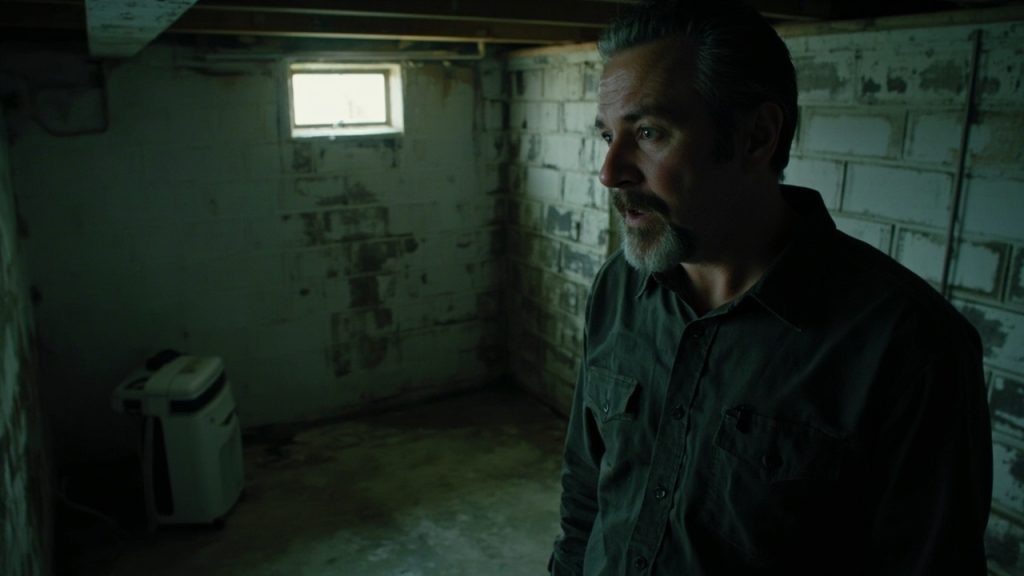
Your family has been coughing since October. You’ve ruled out colds, flu, and allergies. But nobody mentions the one thing that’s been quietly building inside your walls since the first fall rain hit Ballard or Wallingford — moisture. Indoor dampness is one of the most under-diagnosed triggers of chronic respiratory symptoms in the Pacific Northwest, and Seattle’s climate makes it nearly impossible to avoid without the right protections in place.

What Makes Seattle Homes So Vulnerable to Indoor Dampness
Seattle averages over 37 inches of rain per year. But raw precipitation numbers don’t tell the full story. From October through May, the city sits under persistent cloud cover with relative humidity regularly pushing above 80 to 90 percent outdoors. That moisture doesn’t stay outside.
Older housing stock makes this worse. Historic Craftsman bungalows in Queen Anne and Capitol Hill were built long before vapor barriers were standard. Their lath-and-plaster walls, uninsulated crawlspaces, and aging plumbing systems create conditions where moisture migrates freely through the building envelope. The Washington State Energy Code now requires vapor retarders in new construction, but a huge portion of Seattle’s housing predates those standards.
Soil geology adds another layer of risk. Much of the Greater Seattle area sits on glacial till and clay-heavy soils that drain poorly. In low-lying neighborhoods like Renton or West Seattle, hydrostatic pressure from saturated ground can push water directly through foundation walls. This is not a slow process during atmospheric river events — it can create visible seepage within hours of heavy rainfall.
The result is a cycle. Wet soil, wet air, inadequate vapor barriers, and old construction materials combine to keep the interior of your home wetter than it should be — often without a single visible water stain to alert you.
The Health Risks of Damp Homes That Most Families Miss
Excess indoor moisture creates two categories of health risk. The first is immediate and tied to airborne irritants. The second is long-term and involves biological toxins produced by mold colonies.
Respiratory Issues and Allergic Rhinitis
When indoor relative humidity stays above 60 percent consistently, dust mites thrive. Mold spores become airborne. These are two of the most potent triggers for allergic rhinitis — the chronic runny nose, congestion, and sneezing that many Seattle families chalk up to seasonal allergies. The EPA’s guidance on mold and health confirms that damp indoor environments significantly increase exposure to respiratory irritants.
For children with asthma, the risk is measurably higher. Current CDC data shows that homes with visible dampness or mold are associated with a significantly elevated risk of asthma attacks and new-onset wheezing in children. In a city where kids spend months indoors during the rainy season, the exposure window is long.
Sinus infections that keep coming back are another flag. If you or your kids are cycling through sinus infections every few weeks, the source may not be at school — it may be in your basement or crawlspace in Shoreline or Burien.
Mycotoxins and the Risk From Black Mold
When moisture problems go unaddressed for weeks or months, conditions ripen for more dangerous mold species. Stachybotrys chartarum, commonly called black mold, grows on cellulose-rich materials — drywall paper, wood framing, cardboard — that stay wet for more than 72 hours. It produces mycotoxins, compounds that can cause a range of symptoms beyond typical allergy responses.
Mycotoxin exposure symptoms include persistent fatigue, brain fog, recurring headaches, and in more serious cases, immune suppression. These symptoms are often misattributed to stress or viral illness, especially during Seattle’s darker winter months. Aspergillus species are also common in Pacific Northwest homes and can cause serious lung infections in immunocompromised individuals.
The critical point is that you don’t need a massive, visible mold outbreak for exposure to occur. A colony behind a bathroom wall in a Fremont bungalow, or under the subfloor of a mid-century home in Green Lake, can release spores continuously into living spaces without ever being seen.

Where Moisture Hides in Seattle Homes
Most homeowners look for water stains or visible mold. But the most dangerous moisture problems are the ones you can’t see. Here are the highest-risk zones in a typical Seattle home.
- Unencapsulated crawlspaces — Bare soil crawlspaces are essentially humidity factories. Ground moisture evaporates upward into the structure constantly. Many homes in Bellevue and older South Lake Union properties still have open, unencapsulated crawlspaces.
- Behind bathroom tile — Failing grout and old caulk allow water to penetrate tile backer. Once moisture reaches the paper face of drywall, mold growth begins within days, not weeks.
- Attic spaces with poor ventilation — Warm, humid air rises from living spaces and condenses against cold roof sheathing. This is especially common in homes with flat or low-pitch roofs.
- HVAC ductwork — Condensation inside poorly insulated duct runs creates a mold delivery system. Spores that grow inside ducts get distributed to every room in the house each time the system runs.
- Basement wall cavities — Finished basements with insulation packed against foundation walls trap moisture between the wall and the concrete, creating an invisible incubator for mold growth.
- Under kitchen and bathroom cabinets — Slow plumbing leaks under sinks are notoriously difficult to detect. By the time you notice the smell, the cabinet floor and wall framing behind it may already be colonized. If you’re dealing with a slow leak situation, read about what a slow water heater leak in a Magnolia basement is really doing to a home — the principle applies throughout the house.
Seattle’s Indoor Humidity Benchmarks Versus What’s Safe
The recommended indoor relative humidity range is 30 to 50 percent. During Seattle’s rainy season, unmanaged indoor humidity in homes without active dehumidification can sustain levels well above that range for months at a time. The table below shows how Seattle’s seasonal conditions compare to safe indoor thresholds.
| Season | Average Outdoor RH in Seattle | Typical Unmanaged Indoor RH | Safe Indoor RH Target | Risk Level |
|---|---|---|---|---|
| October to February | 80 to 90% | 60 to 75% | 30 to 50% | High |
| March to May | 70 to 80% | 55 to 65% | 30 to 50% | Moderate to High |
| June to September | 55 to 70% | 45 to 55% | 30 to 50% | Low to Moderate |
These numbers explain why families in Capitol Hill or Beacon Hill often notice respiratory symptoms worsening in November and peaking in January. Indoor humidity climbs as outdoor temperatures drop and families seal up their homes, trapping moisture inside with no place to escape.
How to Identify Hidden Moisture in Your Home
You don’t need professional equipment to find the first clues of a moisture problem. These signs appear before mold becomes visible. For a deeper guide on this, learn how to tell if your home has hidden mold behind the drywall — the diagnostic approach applies citywide.
A musty odor in a specific room, especially a basement or bathroom, is the most reliable early warning. Peeling paint or bubbling wallpaper on interior walls indicates moisture vapor pushing through from behind. Warped door frames and sticky-feeling doors in humid rooms suggest the wood framing is absorbing moisture. Discoloration or staining at the base of walls near a crawlspace access point is almost always moisture migration.
A digital hygrometer costs very little and gives you a real-time humidity reading for any room. If you consistently see readings above 60 percent in living spaces during fall and winter, you have a moisture management problem that needs attention.
Professional Mold Remediation Versus DIY Cleaning
Bleach kills surface mold on non-porous materials. It does not penetrate into drywall, wood framing, or insulation. When homeowners scrub visible mold off a bathroom wall with bleach, they’re removing the surface colony while leaving the root structure — called hyphae — intact inside the material. Regrowth is almost guaranteed.
The IICRC S500 Standard for water damage remediation sets the professional benchmark for moisture control and mold removal. Certified technicians use containment barriers to prevent cross-contamination during removal, negative air pressure systems with HEPA filtration to capture airborne spores, and moisture meters to confirm that materials are dry to safe levels before any encapsulation or reconstruction begins.
The table below compares DIY surface cleaning against professional remediation across the factors that matter most for long-term results.
| Factor | DIY Bleach Cleaning | Professional IICRC Remediation |
|---|---|---|
| Surface mold removal | Yes, on non-porous surfaces | Yes, including porous materials |
| Penetrates into drywall or wood | No | Yes, material removal if necessary |
| Airborne spore control | None, may increase spread | HEPA filtration and containment |
| Moisture source identification | No | Yes, with moisture meters and thermal imaging |
| Insurance documentation support | No | Yes, moisture logs and remediation reports |
| Recurrence risk | High | Low when source is also corrected |

Crawlspace Encapsulation and Dehumidification in the Pacific Northwest
For homes in the Greater Seattle area, crawlspace encapsulation is one of the highest-return moisture control investments available. A properly encapsulated crawlspace uses a thick polyethylene vapor barrier sealed to the foundation walls, combined with a dedicated dehumidifier that maintains safe relative humidity year-round. This eliminates ground moisture migration into the floor structure above.
Homes with encapsulated crawlspaces typically show measurable improvements in indoor air quality within weeks. The wood framing in the floor system stops cycling through wet and dry conditions, which extends structural lifespan and reduces pest intrusion.
Basement waterproofing is the other major intervention for homes where hydrostatic pressure is driving water through foundation walls. Interior drainage systems paired with sump pumps manage groundwater before it can saturate the slab or framing. In neighborhoods like Renton or White Center where the water table rises significantly during winter rain events, this is often a necessity rather than an upgrade.
HVAC System Maintenance and Its Role in Air Quality
Your HVAC system moves air through every room in your home. If it’s also moving mold spores, no amount of surface cleaning will resolve your family’s respiratory symptoms. Duct systems in Seattle homes need more frequent inspection than systems in drier climates because condensation inside uninsulated ducts is a real and recurring problem.
Replacing standard HVAC filters with HEPA-rated options captures a significantly higher percentage of airborne particulates including mold spores, dust mite debris, and Aspergillus particles. Energy recovery ventilators (ERVs) are increasingly standard in well-built Pacific Northwest homes because they exchange stale, humid indoor air for fresh outdoor air without the energy penalty of simply opening a window in January.
Tenant Rights and Landlord Obligations for Damp Rental Properties in Seattle
Under Washington State law, landlords are required to maintain rental properties in a condition fit for human habitation. This explicitly includes controlling moisture and mold. King County Public Health guidelines classify significant mold growth as a habitability issue. Tenants who discover mold or excessive dampness should document it in writing and notify their landlord formally.
If a landlord fails to act after written notice, tenants in Seattle have legal remedies including the right to repair and deduct under RCW 59.18.100, or to withhold rent in some circumstances. If you’re a tenant in a damp rental and experiencing chronic respiratory symptoms, connecting with King County Public Health or a tenant advocacy organization is a reasonable first step alongside documenting the moisture problem.
The Structural Costs of Ignoring Long-Term Dampness
Chronic moisture exposure doesn’t just affect health. It degrades structural integrity over time. Wood framing that stays wet cycles through swelling and shrinking, eventually losing strength and becoming susceptible to wood rot. Floor joists in unencapsulated crawlspaces in Ballard or Fremont are among the most commonly replaced structural members in the Seattle market precisely because of this cycle.
Mold digests organic material. Given enough time, a Stachybotrys colony on wood framing will physically compromise the structural member it’s growing on. What starts as a health problem becomes a safety problem. Addressing moisture intrusion early is dramatically less expensive than replacing compromised structural members later.
If you’re navigating the insurance side of a water damage event while also dealing with long-term moisture damage, it’s worth understanding how these claims work. The process for documenting and filing can be complex, especially if damage has accumulated over time. Read about how to handle a water damage insurance claim in Beacon Hill for a practical breakdown of what the process involves.
When Your Family’s Symptoms Signal It’s Time to Call a Professional
Chronic coughing, recurring sinus infections, and asthma that worsens every October are your home telling you something is wrong. A professional moisture assessment goes beyond visual inspection. Technicians use thermal imaging cameras to detect temperature differentials that indicate moisture trapped behind walls or under flooring. Moisture meters confirm whether structural materials are drying or holding water. Air quality samples can quantify airborne spore counts and identify specific mold species present.
Evergreen Water Damage Restoration serves the Greater Seattle metro — from Shoreline and Burien to Bellevue and beyond — with 24/7 emergency response and full-scope moisture assessment. If you’ve noticed the signs described here, or if your family has been coughing since the rains started and nothing else explains it, the next step is a professional look at what’s happening inside your walls and beneath your floors.
You don’t need to wait for a flood to call. Chronic dampness is a slow emergency — one that’s easier and less costly to address before mold becomes structural damage. If you’re unsure where to start in choosing a restoration professional, this guide on how to hire a water restoration company covers what to look for, what questions to ask, and what to expect from the process.
Frequently Asked Questions
What indoor humidity level is safe for preventing mold growth in Seattle?
The EPA recommends keeping indoor relative humidity between 30 and 50 percent. During Seattle’s rainy season, unmanaged indoor humidity commonly exceeds 60 percent, which is enough to sustain active mold growth. A digital hygrometer and a properly sized dehumidifier are the most practical tools for maintaining safe levels year-round.
Can black mold cause long-term illness even in small amounts?
Stachybotrys chartarum produces mycotoxins that can cause symptoms beyond typical allergies, including fatigue, cognitive difficulties, and immune disruption. The size of the colony matters less than the duration of exposure. A small, hidden colony behind drywall that goes unaddressed for months can produce significant total mycotoxin exposure through normal airflow and HVAC circulation.
Is crawlspace encapsulation worth the cost in Seattle?
For most Seattle homes with unencapsulated crawlspaces, encapsulation is one of the highest-return moisture control investments available. It eliminates the primary pathway for ground moisture to enter the floor structure, reduces heating and cooling costs, extends the life of floor framing, and measurably improves indoor air quality. The Pacific Northwest’s climate makes this a practical necessity rather than an optional upgrade for most homes with crawlspace foundations.
How do I know if my family’s cough is caused by indoor mold versus seasonal illness?
The pattern of symptoms is the key indicator. Mold-related respiratory symptoms typically persist through the entire rainy season rather than peaking and resolving like a viral illness. They often worsen at home and improve noticeably when family members spend extended time away from the house. If everyone in the household has overlapping chronic symptoms that started in fall and haven’t resolved, a professional indoor air quality assessment is warranted.