
menu

Visible Mold Growth on Walls in Seattle – Expert Diagnosis and Complete Remediation

From black mold spots on drywall to full wall mold infestation, our certified technicians identify the moisture source, remove contaminated materials safely, and restore your Seattle home to healthy living conditions.

Slider Image 1
Slider Image 2
Slider Image 3
Slider Image 4
Slider Image 5
Slider Image 7
Slider Image 8
Slider Image 9
Slider Image 10
Slider Image 11

Why Seattle Walls Grow Mold Faster Than You Think

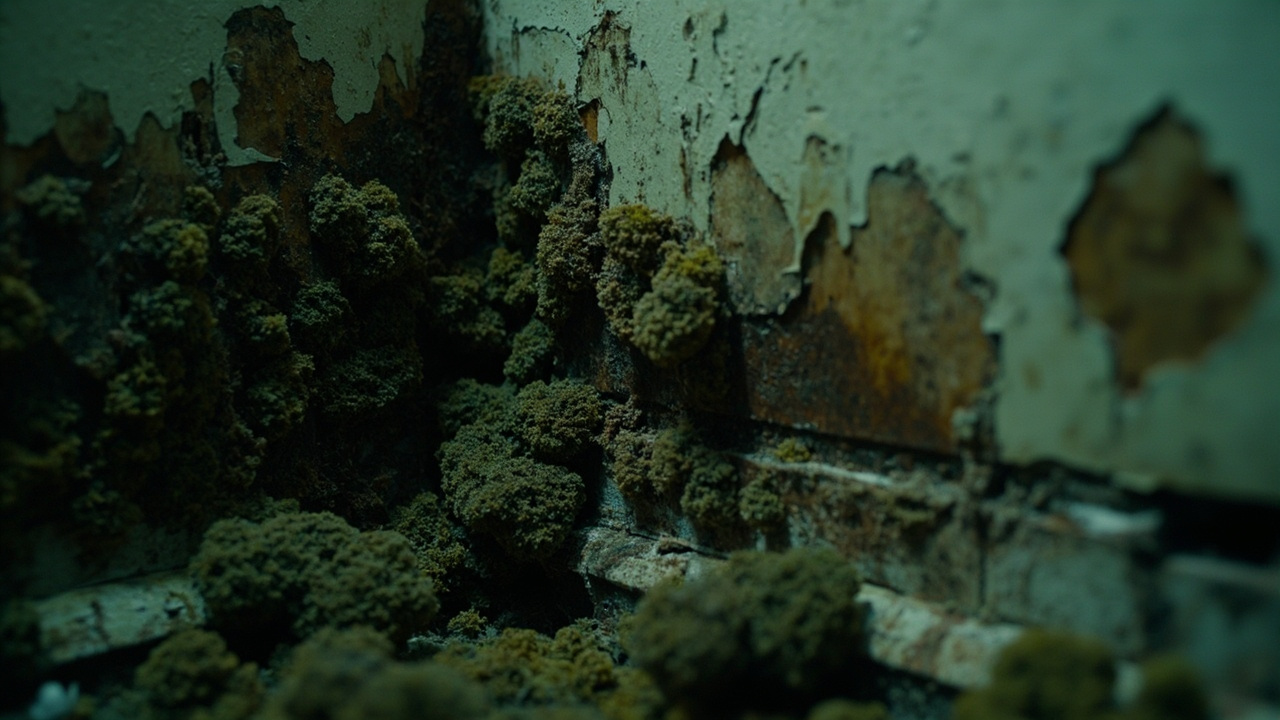
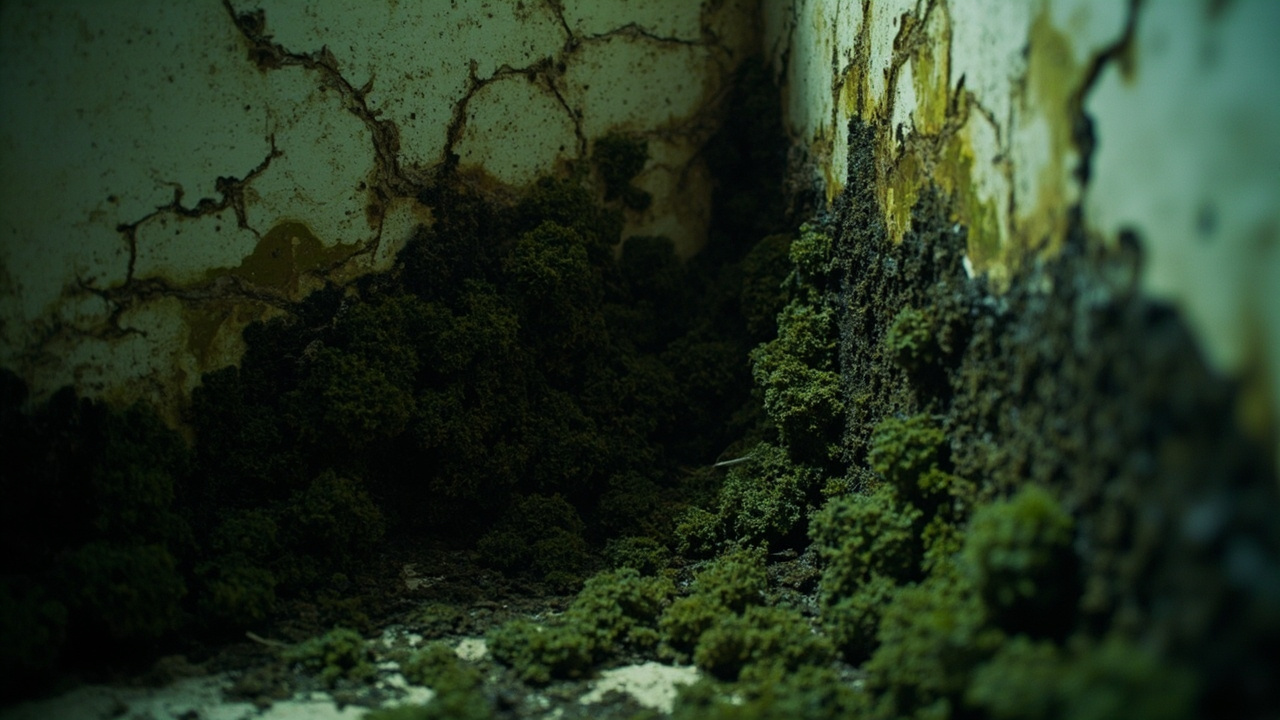
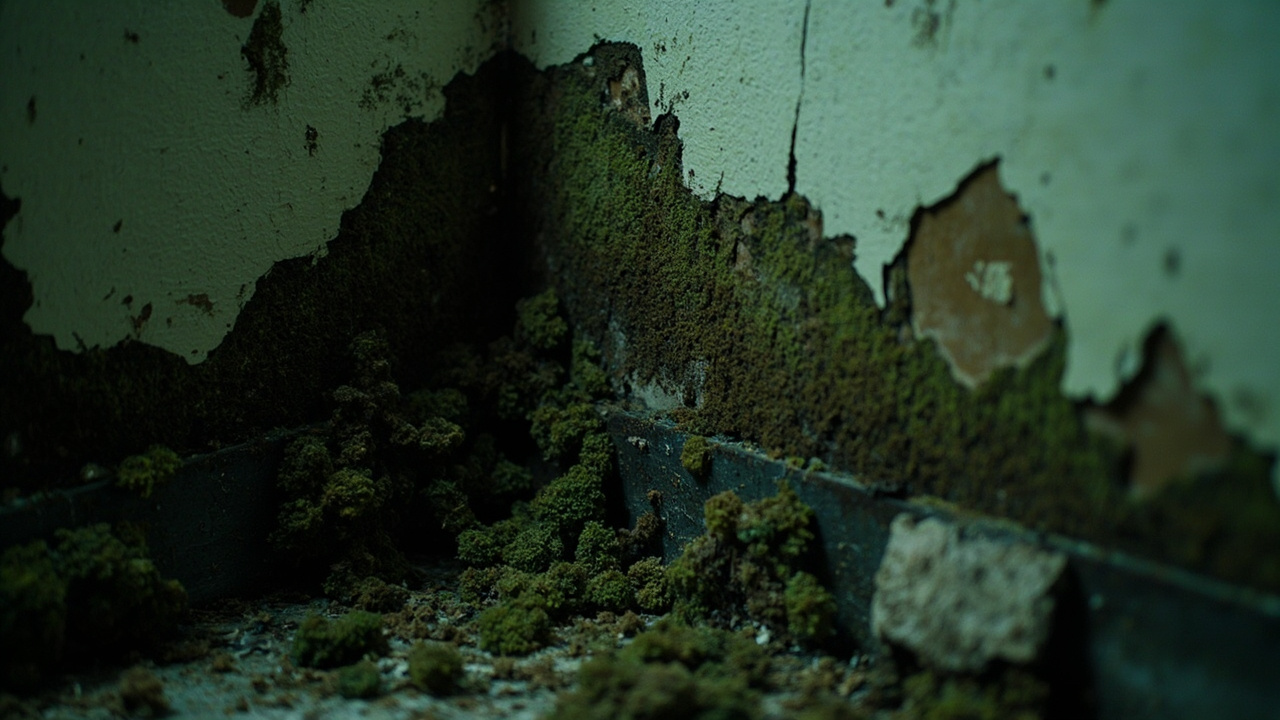
You noticed a small patch of black mold spots on drywall near the window. A week later, the fungal growth on wall surfaces doubled in size. Now you are staring at visible mildew on painted walls in the bathroom, and you are wondering how it spread so fast.

Seattle's marine climate is the perfect breeding ground for mold. The Pacific Northwest sees 150 days of measurable rain per year, and relative humidity inside homes regularly exceeds 60 percent during fall and winter months. When exterior moisture penetrates through aging window seals, roof leaks, or poorly flashed siding common in Seattle's older Craftsman and mid-century homes, it saturates the drywall and insulation behind your walls. Mold spores, which are always present in the air, colonize wet building materials within 24 to 48 hours.

Most homeowners in neighborhoods like Ballard, Queen Anne, and Capitol Hill do not realize that mold patches on sheetrock are not just surface stains. They signal hidden water intrusion and active fungal growth inside wall cavities. The visible growth you see represents only a fraction of the total contamination. Behind that drywall, cellulose fibers are decomposing, wood framing is softening, and airborne spore counts are spiking.

Wall mold infestation does not improve with bleach or paint. It requires professional moisture mapping, containment, and structural drying. Ignoring it leads to respiratory irritation, allergic reactions, and expensive structural repairs. The longer you wait, the deeper the contamination spreads through your home's envelope.

Why Seattle Walls Grow Mold Faster Than You Think
How We Eliminate Mold Growth and Stop Future Outbreaks

How We Eliminate Mold Growth and Stop Future Outbreaks

Evergreen Water Damage Restoration Seattle does not just wipe down visible mildew on painted walls and call it done. We treat mold as a symptom of a moisture problem, and we fix both.

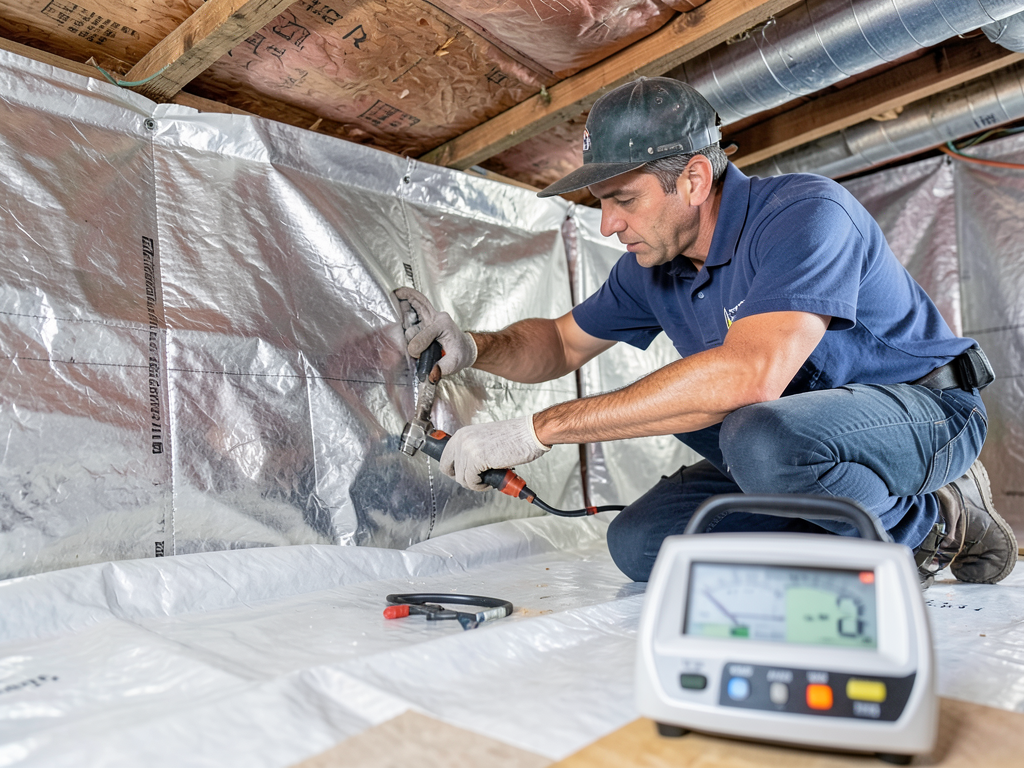
Our process begins with thermal imaging and moisture meter readings to map the full extent of water intrusion. We document moisture levels in drywall, studs, and insulation to determine whether contamination is surface-level or structural. If mold patches on sheetrock extend deeper than the paper face, we remove the affected sections down to the studs. We do not sand or encapsulate active growth. We remove it.

Once contaminated materials are out, we treat exposed framing with EPA-registered antimicrobial agents and run HEPA air scrubbers to capture airborne spores during demolition. We identify the moisture source, whether it is a leaking window, failed vapor barrier, or condensation from poor ventilation. If your Seattle home has single-pane windows or lacks proper bathroom exhaust fans, we document those contributing factors so you can address them with contractors after remediation.

We dry the structure using commercial dehumidifiers and air movers until moisture content in framing lumber drops below 15 percent. Only then do we rebuild with mold-resistant drywall and low-VOC primer. We do not rush the drying phase. Sealing moisture inside new walls guarantees future fungal growth on wall surfaces.

Our technicians are IICRC-certified in Applied Microbial Remediation. We follow the S520 standard for mold remediation, which requires containment barriers, negative air pressure, and proper disposal of contaminated materials. This is not a DIY repair. It is controlled demolition and reconstruction.

What Happens During Professional Mold Remediation

Visible Mold Growth on Walls in Seattle – Expert Diagnosis and Complete Remediation
01

Inspection and Containment

We inspect all affected walls with moisture meters and thermal cameras to map the contamination zone. We seal off the work area with polyethylene sheeting and establish negative air pressure using HEPA-filtered air scrubbers. This prevents mold spores from spreading to clean areas of your Seattle home during demolition. We document all findings with photos and moisture readings for insurance claims.
02

Removal and Treatment

We remove contaminated drywall, insulation, and baseboards in controlled sections. Porous materials with black mold spots on drywall get bagged and disposed of according to Washington State guidelines. We treat exposed wood framing with antimicrobial solutions and verify the moisture source is eliminated. If the leak is active, we coordinate emergency tarping or plumbing repairs before proceeding to the drying phase.
03

Drying and Reconstruction

We dry the wall cavity using industrial dehumidifiers until moisture content in studs drops below 15 percent. This takes 48 to 72 hours depending on saturation levels. Once dry, we rebuild with mold-resistant drywall, apply low-VOC primer, and match your existing wall texture. We conduct a final air quality test to confirm spore counts are within normal limits before removing containment barriers.

Why Seattle Homeowners Trust Local Mold Experts

National franchise teams do not understand Seattle's building stock. They do not know that most homes in Fremont, Wallingford, and Green Lake were built between 1920 and 1960 with minimal vapor barriers and no exterior insulation. They do not recognize that Seattle's wet winters and dry summers create seasonal moisture cycling that standard remediation protocols overlook.

Evergreen Water Damage Restoration Seattle works exclusively in King County. We know which neighborhoods have chronic drainage issues due to clay soil and which ones flood during king tides. We have remediated mold in every housing type from Capitol Hill Victorians to Magnolia ramblers to modern Queen Anne condos. We understand local building codes and how Seattle's energy efficiency mandates affect ventilation and moisture control.

When you call us, you get a local team that responds within two hours. We do not route your call to a regional dispatch center. We do not subcontract the work to unlicensed crews. Our technicians live in Seattle, and they understand the urgency of wall mold infestation in a city where homes are the primary store of wealth.

We also work directly with Seattle-area insurance adjusters. We know which carriers require third-party air quality testing and which ones accept moisture documentation as proof of loss. We provide detailed estimates that separate emergency water extraction from mold remediation so you are not stuck with a denied claim due to vague line items.

Trust is not built on marketing slogans. It is built on technical competence and local accountability. We have remediated black mold spots on drywall in hundreds of Seattle homes, and our reputation depends on doing it right the first time.

What to Expect When You Call for Mold Remediation

Response Time and Availability

We dispatch a certified technician to your Seattle home within two hours of your call. We operate seven days a week, including evenings and holidays. Mold does not wait for business hours, and neither do we. Our inspection takes 60 to 90 minutes and includes thermal imaging, moisture mapping, and a written scope of work. You get a detailed estimate before we start any demolition. If your situation requires emergency water extraction to stop active leaks, we bring extraction equipment on the first visit.

How We Assess the Damage

We use non-invasive moisture meters to measure water content in drywall, baseboards, and framing without tearing your walls apart. Thermal cameras reveal hidden moisture patterns behind wall surfaces. If we detect elevated readings, we drill small test holes to inspect the wall cavity directly. We photograph all findings and provide a detailed report that separates cosmetic damage from structural contamination. You will know exactly what needs to be removed and what can be treated in place. We do not upsell unnecessary demolition.

The Final Result

Your walls are rebuilt with mold-resistant materials, properly primed, and texture-matched to surrounding surfaces. We do not leave patchwork repairs that stand out like scars. The finished wall looks like the mold was never there. More importantly, the underlying moisture problem is solved. We verify this with post-remediation moisture readings and, if requested, third-party air quality testing. You receive documentation showing spore counts returned to normal background levels. This is critical if you plan to sell your Seattle home within the next few years.

Post-Remediation Support

We provide a written report documenting all remediation work, including photos of the affected areas before and after reconstruction. This documentation is essential for insurance claims and future real estate disclosures. We also give you a checklist of preventive measures, such as upgrading bathroom exhaust fans or improving attic ventilation, to reduce future mold risk. If you experience any recurrence within 90 days, we return to re-inspect at no charge. Our goal is not just to fix the current problem but to help you maintain a dry, healthy home long-term.

Frequently Asked Questions

You Have Questions,
We Have Answers

What to do if I see mold on my wall? +

Stop using the area and document the mold with photos. Do not attempt to clean large patches yourself. Mold spreads fast in Seattle's damp climate, especially between October and May. Small spots under 10 square feet can be wiped with diluted bleach, but visible growth often signals deeper moisture issues behind the wall. Turn off any nearby HVAC vents to prevent spore circulation. Contact a certified mold remediation specialist to test the type and locate the moisture source. DIY cleaning without fixing the leak or humidity problem means the mold will return within weeks.

Can mold make a baby cough? +

Yes. Mold spores irritate infant airways and can trigger persistent coughing, wheezing, or respiratory infections. Babies breathe faster than adults and their immune systems are still developing, making them more vulnerable to mold exposure. If your baby coughs more at home than elsewhere, check bedrooms and nurseries for visible growth or musty odors. Seattle's rain-heavy months increase indoor moisture, creating ideal conditions for mold in poorly ventilated spaces. Remove the baby from the affected room immediately and consult a pediatrician. Professional mold remediation is critical when infants are involved.

Can mold cause twitching? +

Mold exposure can cause neurological symptoms in some people, including muscle twitching, tremors, or tingling. This happens when certain mold species release mycotoxins that affect the nervous system. However, twitching has many causes, so do not self-diagnose. If you notice new twitching alongside headaches, brain fog, or respiratory issues in a home with visible mold, take it seriously. Document your symptoms and timing. See a doctor who understands mold-related illness and have your home professionally tested. Seattle's older housing stock often hides mold in crawlspaces and wall cavities.

Is a little mold on walls okay? +

No. Any visible mold signals an active moisture problem. Even small patches release spores into your air and grow rapidly in Seattle's humid climate. What you see on the surface is a fraction of the colony. Mold penetrates drywall, insulation, and framing within 48 hours of water exposure. Ignoring it leads to structural damage, spreading contamination, and potential health effects like allergies or asthma. Clean small spots immediately with proper ventilation, but if it returns or exceeds one square foot, you need professional remediation and moisture control to prevent recurrence.

What kills mold permanently on walls? +

Nothing kills mold permanently without eliminating the moisture source. Bleach, vinegar, or hydrogen peroxide kill surface mold temporarily, but spores remain dormant in porous materials like drywall and wood. Professional remediation removes contaminated materials, treats surfaces with antimicrobial agents, and fixes the underlying leak or humidity issue. Seattle's persistent drizzle and poor crawlspace ventilation create chronic moisture problems. Dehumidifiers, vapor barriers, and improved airflow prevent regrowth. If mold keeps returning after cleaning, the water source is still active. Stop treating symptoms and fix the cause.

How to tell if mold is behind drywall? +

Look for these signs: musty odor even after cleaning, discoloration or staining on walls, peeling or bubbling paint, soft or warped drywall, and increased allergy symptoms in specific rooms. Use a moisture meter to detect hidden dampness. Tap the wall. A hollow or spongy sound indicates water damage. Mold grows inside Seattle walls after roof leaks, plumbing failures, or condensation in poorly insulated exterior walls during winter. Infrared cameras reveal temperature differences from moisture. If you suspect hidden mold, hire a professional to perform invasive testing before opening walls.

What are the 10 warning signs of mold toxicity? +

Watch for chronic fatigue, brain fog, headaches, respiratory issues, sinus congestion, skin rashes, muscle aches, light sensitivity, mood swings, and digestive problems. These symptoms worsen at home and improve when you leave. Not everyone reacts to mold, but prolonged exposure to mycotoxins affects the immune and nervous systems. Seattle residents often blame fatigue on weather or seasonal allergies, missing the mold connection. Track your symptoms by location and time. If multiple household members feel worse indoors, test your home for mold and inspect crawlspaces, attics, and behind appliances.

How do I tell if mold is in my lungs? +

You cannot self-diagnose mold in your lungs. Symptoms include persistent cough, shortness of breath, chest tightness, wheezing, or recurring respiratory infections that do not respond to standard treatment. See a pulmonologist who can order chest imaging, sputum tests, or blood work for mold antibodies. Aspergillosis, a fungal lung infection, occurs in people with weakened immune systems or chronic lung disease. If you have visible mold at home and new respiratory symptoms, mention the exposure to your doctor. Professional mold removal is critical before your lungs worsen.

Is it okay to stay in a house with black mold? +

No. Black mold, typically Stachybotrys chartarum, produces mycotoxins that cause serious health effects with prolonged exposure. Symptoms range from respiratory distress to neurological issues. Children, elderly, and immunocompromised individuals face the highest risk. Sleeping in a room with active black mold means inhaling spores for eight hours nightly. Seattle's wet climate accelerates black mold growth in bathrooms, basements, and behind drywall. Relocate to an unaffected area immediately. Do not disturb the mold yourself. Hire certified professionals to contain, remove, and treat the contaminated space before re-occupying.

Does mold cause weight gain? +

Some research links chronic mold exposure to weight gain through hormonal disruption, inflammation, and metabolic changes. Mycotoxins may affect thyroid function, insulin resistance, and appetite regulation. However, weight gain has many causes, and mold is not the primary suspect. If you experience unexplained weight gain alongside fatigue, brain fog, or respiratory symptoms in a home with visible mold, it warrants investigation. Document your symptoms and get your home tested. Seattle's damp climate creates persistent mold issues in crawlspaces and walls. Addressing mold improves overall health, which may normalize weight over time.

How Seattle's Marine Climate Creates Chronic Mold Conditions

Seattle averages 37 inches of rain per year, but the real problem is not total rainfall. It is persistent drizzle and overcast skies that keep relative humidity above 60 percent for six months straight. When outdoor air at 90 percent humidity infiltrates your home through leaky windows or foundation cracks, it condenses on cold interior surfaces like exterior walls and window frames. This condensation saturates drywall paper and creates perfect conditions for fungal growth on wall surfaces. Older Seattle homes built before modern building codes lack proper vapor barriers and exterior insulation, making them especially vulnerable to moisture intrusion. If you live in a pre-1970 home in neighborhoods like Ravenna, Maple Leaf, or Greenwood, your walls are at constant risk of hidden mold colonization.

Evergreen Water Damage Restoration Seattle understands the unique moisture challenges of Western Washington construction. We have worked on homes throughout King County, from Lake City bungalows to West Seattle split-levels, and we recognize the patterns of water intrusion specific to this region. We know which wall assemblies are prone to failure and how to remediate mold without compromising the structural integrity of aging timber frames. Our familiarity with Seattle's building stock means we complete projects faster and with fewer surprises than out-of-area contractors who treat every job like a generic mold problem. When you hire local expertise, you get solutions tailored to the way Seattle homes are actually built.


Water Damage Restoration Services in The Seattle Area

Evergreen proudly serves Seattle and its surrounding communities with professional water damage restoration you can count on. Whether you’re downtown, in the suburbs, or nearby, our responsive team is just a call away. View our service area on the map to see if we’re available in your neighborhood. We’re committed to helping local homeowners and businesses recover fast—so if you need help, we’ll come to you. Use the map below to locate our base or service radius and reach out anytime.

Address:
Evergreen Water Damage Restoration Seattle, 600 Stewart St, Seattle, WA, 98101

Additional Services We Offer

Our news updates

Latest Articles & News from The Blogs

Emergency Mold Remediation for Busy Families in the Hillman City Neighborhood Mold can spread through a Hillman City home in…

Emergency Mold Remediation for Busy Families in the Hillman City Neighborhood

Emergency Mold Remediation for Busy Families in the Hillman City Neighborhood Mold can spread through a Hillman City home in…

What to Do When a Skylight Leak Ruins the Ceiling in Your Washington Park Home

What to Do When a Skylight Leak Ruins the Ceiling in Your Washington Park Home A skylight leak in your…

Professional Sewage Cleanup for Matthews Beach Homes Near the Lake

Professional Sewage Cleanup for Matthews Beach Homes Near the Lake Matthews Beach homes near Lake Washington face unique sewage backup…

Contact Us

Mold does not wait, and neither should you. Call Evergreen Water Damage Restoration Seattle at (564) 220-5525 for a same-day inspection. We will identify the moisture source, map the contamination, and give you a written estimate before starting any work.