
menu

Water Stains on Drywall in Seattle – Expert Diagnosis Before Costly Repairs

We identify the hidden moisture source behind brown water spots on walls and yellow stains on drywall, preventing thousands in structural damage and mold remediation for Seattle homeowners.

Slider Image 1
Slider Image 2
Slider Image 3
Slider Image 4
Slider Image 5
Slider Image 7
Slider Image 8
Slider Image 9
Slider Image 10
Slider Image 11

Why Seattle Homes Get Water Stains on Drywall

You walk past the same wall every day until one morning you notice it. A brown water spot on the wall near the ceiling. Maybe it is yellow stains on drywall in the corner of your bedroom. The discoloration looks small, almost innocent. You hope it will dry out and disappear.

It will not.

Seattle gets 37 inches of rain annually, and our homes take the hit. That persistent Pacific Northwest moisture does not just sit on your roof. It finds the gaps in flashing around chimneys, seeps through aging window seals, and condenses inside walls when warm indoor air meets cold exterior sheathing. The result is moisture discoloration on sheetrock that signals active water intrusion.

Water marks on ceiling panels often trace back to attic condensation. Seattle homes built before 1990 frequently lack proper vapor barriers. When you run your heat in winter, warm humid air rises into uninsulated attic spaces. It hits cold roof decking and condenses. That moisture drips onto insulation and soaks through to the ceiling drywall below.

Wet patches on plasterboard near bathrooms or kitchens point to different culprits. Slow leaks from supply lines, failed wax rings under toilets, or inadequate exhaust ventilation create constant moisture exposure. The drywall paper acts like a wick, pulling water horizontally across the wall surface. You see a six inch stain, but the wet area behind the wall spans three feet.

The stain you see today started weeks or months ago. The question is not whether you have water damage. The question is how far it has spread and whether mold has already colonized the wet material behind your walls.

Why Seattle Homes Get Water Stains on Drywall
How We Find and Stop the Water Source

How We Find and Stop the Water Source

Most homeowners make the same mistake. They paint over the stain or hire a handyman to patch the drywall. Six months later, the brown water spots on walls come back darker and larger. You wasted money treating the symptom while the leak kept running.

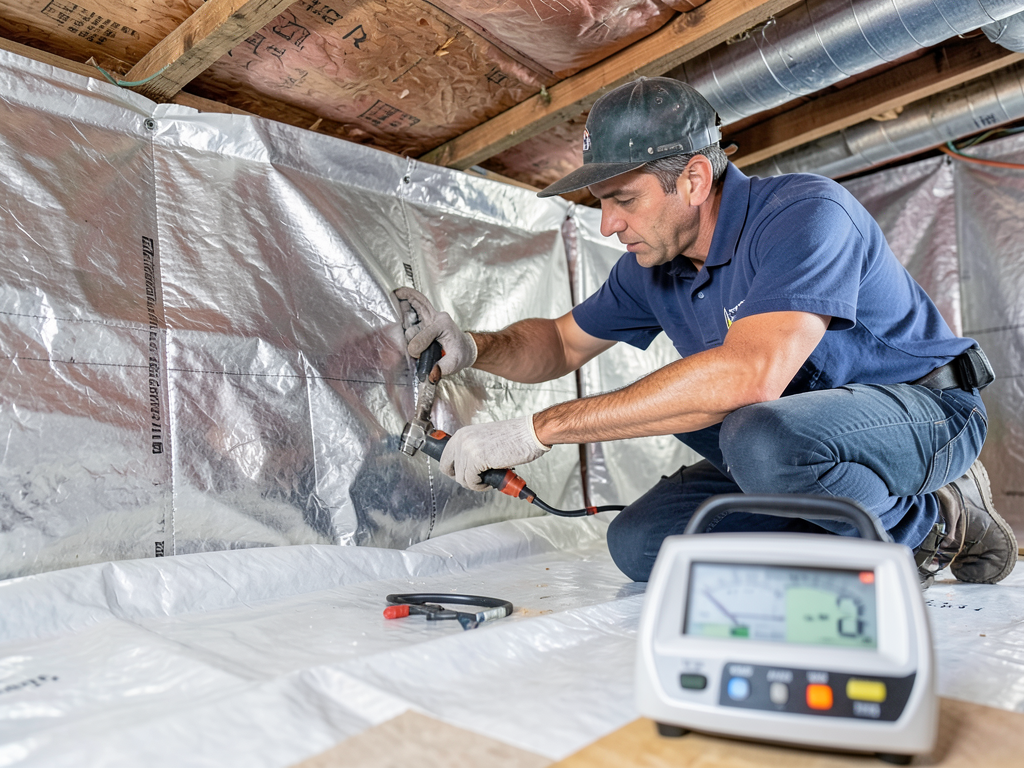
We start with moisture mapping using calibrated pin-type and non-invasive moisture meters. These tools measure moisture content in wood framing and gypsum board as a percentage. Drywall at 16 percent moisture content looks dry to your eye but is wet enough to support mold growth. We document moisture levels across the entire affected area and map the pattern. Water flows downhill and spreads horizontally through capillary action. The stain you see is rarely the highest point of water entry.

Next, we trace the source. Ceiling stains require attic access to inspect roof decking, flashing penetrations, and ventilation paths. We check for condensation on roofing nails that penetrate into living spaces, a common issue in Seattle homes with insufficient attic ventilation. Wall stains near plumbing fixtures require opening access panels or removing sections of drywall to visually inspect supply lines, drain connections, and the condition of framing members.

We use thermal imaging cameras to identify temperature differentials that indicate moisture or air leaks. Wet building materials appear cooler than dry materials on the thermal image. This technology lets us see inside wall cavities without demolition.

Once we locate the source, we stop it. That might mean resealing a window, replacing a section of damaged flashing, tightening a compression fitting, or installing a proper bathroom exhaust fan that vents outside rather than into the attic. Only after we control the water source do we address the damaged drywall and framing.

What Happens During Water Stain Assessment

Water Stains on Drywall in Seattle – Expert Diagnosis Before Costly Repairs
01

Initial Moisture Documentation

We measure and photograph all visible water marks on ceiling and wall surfaces. Using moisture meters, we test drywall, insulation, and framing lumber to establish baseline moisture levels. This documentation protects you during insurance claims and provides comparison data after repairs. We map the moisture pattern to predict the water entry point before we start any invasive inspection.
02

Source Identification and Testing

We access the areas above, behind, or adjacent to the stain. This includes attic inspection, removing access panels, or cutting small inspection holes in drywall. We identify active leaks, condensation points, or failed building components. For suspected roof issues, we perform water testing on exterior surfaces to reproduce the leak and confirm the entry path under controlled conditions.
03

Repair Scope and Documentation

After identifying all moisture sources, we provide a written scope of work. This includes leak repairs, structural drying requirements, and drywall replacement. We photograph hidden damage and deteriorated framing before we close walls. You receive a moisture report showing pre-drying and post-drying readings to verify the structure is dry before we proceed with cosmetic repairs.

Why Seattle Homeowners Choose Evergreen Water Damage Restoration Seattle

Water damage restoration requires more than a wet-dry vacuum and a box fan. Seattle homes present specific challenges that out-of-town contractors miss. Our crew understands how post-and-beam construction in older Capitol Hill homes differs from the engineered lumber framing in new Ballard townhouses. We know which local roofing contractors cut corners on flashing and where builders in the 1970s and 1980s skipped vapor barriers to save money.

We work directly with Seattle adjusters from every major insurance carrier. When you file a claim for water damage, the insurance company sends an adjuster to assess the loss. Many homeowners accept the first estimate without question, not realizing the adjuster only documented visible damage. We write detailed scopes that include necessary demolition, structural drying, antimicrobial treatment, and rebuild costs. Our estimates align with Xactimate pricing, the software adjusters use, which prevents disputes and speeds claim approval.

Seattle building codes require specific ventilation rates, vapor barrier placement, and moisture control strategies. We follow the 2018 Seattle Residential Code amendments that address moisture management in our marine climate. When we rebuild damaged walls, we install the correct vapor retarder on the warm side of the insulation. We ensure bathroom exhaust fans meet the minimum 50 CFM requirement and vent directly outside, not into attic spaces.

You will not get a runaround. We answer our phone, show up on time, and explain what we find in plain language. If the damage is minor and you can handle the repair yourself, we will tell you. If you need immediate action to prevent mold growth or structural failure, we will tell you that too. Our reputation in Seattle depends on honest assessments and quality work, not upselling services you do not need.

What You Can Expect From Our Service

Response Time and Availability

We dispatch a technician to your Seattle property within four hours of your call during business hours. For active leaks or emergency situations, we provide 24/7 response. Our initial assessment takes between 45 minutes and 90 minutes depending on the size of your home and the extent of visible damage. You receive a verbal summary on-site and a written moisture report within 24 hours. We understand water damage creates stress and uncertainty. Fast, clear communication reduces that anxiety and prevents additional damage.

How the Inspection Works

Our technician will ask when you first noticed the stain and whether it has changed in size or color. We inspect the affected area and all adjacent spaces. For ceiling stains, we access your attic. For wall stains, we may need to remove baseboards or cut small access holes. We use moisture meters and thermal cameras to map the damage. You stay with us during the inspection. We show you what we find and explain what it means. There is no diagnostic fee if you proceed with our recommended repairs.

The Quality of Finished Work

We match existing wall textures and use low-VOC primers that block stains and prevent bleed-through. Our drywall installers tape and mud seams to Level 4 finish standards, which means smooth, invisible joints ready for paint. We do not leave you with a visible patch that screams "repair." If we remove baseboards or trim, we reinstall and caulk them. Your walls look the way they did before the water damage occurred. We also provide documentation of all moisture readings and repairs for your records and future home sales.

Follow-Up and Prevention Advice

After we complete repairs, we schedule a follow-up moisture check at no charge. This happens 30 to 60 days after the work is finished. We re-test the repaired areas to confirm moisture levels remain normal and no new water intrusion has occurred. We also provide a written maintenance guide specific to your home. This might include gutter cleaning schedules, roof inspection recommendations, or ventilation improvements. Preventing future water damage costs far less than repairing it. We give you the information you need to protect your investment.

Frequently Asked Questions

You Have Questions,
We Have Answers

How do you get water stains out of drywall? +

You need to eliminate the moisture source first. Fix the leak or address the condensation problem. Let the drywall dry completely, which can take days in Seattle's damp climate. Once dry, spray the stain with a bleach solution to kill any mildew. Prime the area with a stain-blocking primer like Kilz or BIN. This seals the stain and prevents bleed-through. Then paint over it with your wall color. If the stain remains visible or the drywall feels soft, you need professional water damage restoration to prevent bigger problems.

Why do I have water marks on my walls but no leak? +

You likely have condensation issues or hidden plumbing problems. Seattle's high humidity, especially in winter, causes moisture to collect inside walls. This happens around cold pipes, exterior walls with poor insulation, or bathrooms without proper ventilation. The water vapor condenses behind the drywall and seeps through. Another common cause is slow leaks from plumbing inside walls or attic condensation dripping down. You need a moisture meter and thermal imaging to locate the source. Ignoring this leads to mold growth and structural damage.

Can I paint over water stained drywall? +

Painting over water stains without proper prep is a mistake. The stain will bleed through regular paint every time. You must first confirm the drywall is completely dry and structurally sound. If it feels soft or crumbles when pressed, it needs replacement. For stable drywall, apply a stain-blocking primer first. Products like Kilz or Zinsser BIN prevent tannins and minerals from bleeding through. Let the primer dry fully before painting. Skipping this step wastes your time and money. Address the moisture source or the stain returns.

Do I need to replace water stained drywall? +

It depends on the severity and duration of exposure. If the drywall stayed wet for over 48 hours, replacement is usually necessary. Seattle's humidity slows drying and accelerates mold growth. Check for soft spots, sagging, crumbling edges, or a musty smell. These signs mean the gypsum core has broken down. Surface stains on dry, firm drywall can often be treated. When in doubt, cut out a small test section. If you see mold, discoloration through the core, or structural weakness, replace it. Trying to save damaged drywall invites mold.

Is drywall ruined once it gets wet? +

Not always, but time matters. Drywall can survive brief exposure if you dry it within 24 to 48 hours. After that window, the gypsum core swells and loses integrity. Mold spores colonize in 48 to 72 hours, especially in Seattle's mild, damp conditions. If the drywall feels firm, shows no sagging, and dries completely without odor, it may be salvageable. You still need to treat and prime it. Heavy saturation, prolonged wetness, or contaminated water like sewage always requires replacement. Professional assessment prevents guesswork.

Will magic eraser remove water stains on walls? +

Magic erasers work on surface dirt but do not fix water stains. Water stains come from minerals, tannins, or mold that penetrate the drywall paper and paint. Scrubbing with a magic eraser only removes the top layer and can damage your paint finish. The stain reappears because the source material remains embedded. You need a stain-blocking primer to seal it. If mold caused the stain, surface cleaning spreads spores and worsens the problem. Address the moisture source and use proper restoration methods. Magic erasers are not a solution for water damage.

How to tell if water is leaking behind a wall? +

Look for discoloration, peeling paint, or soft spots on walls. You may notice a musty smell or see mold patches. In Seattle homes, check behind drywall in bathrooms, kitchens, and basements where pipes run. Listen for dripping sounds or running water when fixtures are off. Use a moisture meter to detect elevated readings behind the surface. Warped baseboards or buckling flooring near walls also signal hidden leaks. Thermal imaging cameras reveal cold spots where water collects. If you suspect a hidden leak, call a water damage professional before the problem spreads.

Do water stains on walls go away? +

Water stains do not disappear on their own. The discoloration comes from minerals, tannins, rust, or mold that permanently mark the surface. Even after the area dries, the stain remains. Painting over it without a stain-blocking primer causes bleed-through. The stain shows up again within days or weeks. You must treat the stain chemically, seal it with primer, and repaint. Ignoring water stains signals ongoing moisture problems. In Seattle's climate, untreated water intrusion leads to mold, rot, and structural damage. Fix the source and remediate the stain properly.

Do water stains on walls mean mold? +

Water stains often indicate mold, but not always. If the stain is brown, yellow, or has a fuzzy texture, mold is likely present. Mold grows within 48 to 72 hours of water exposure, especially in Seattle's humid conditions. A musty odor confirms mold colonization. Even if you do not see visible mold, it may be growing behind the drywall. Water stains mean prolonged moisture, which creates ideal conditions for mold. You need professional testing and remediation. Do not assume the stain is harmless. Mold causes health problems and spreads quickly.

What do water stains on drywall look like? +

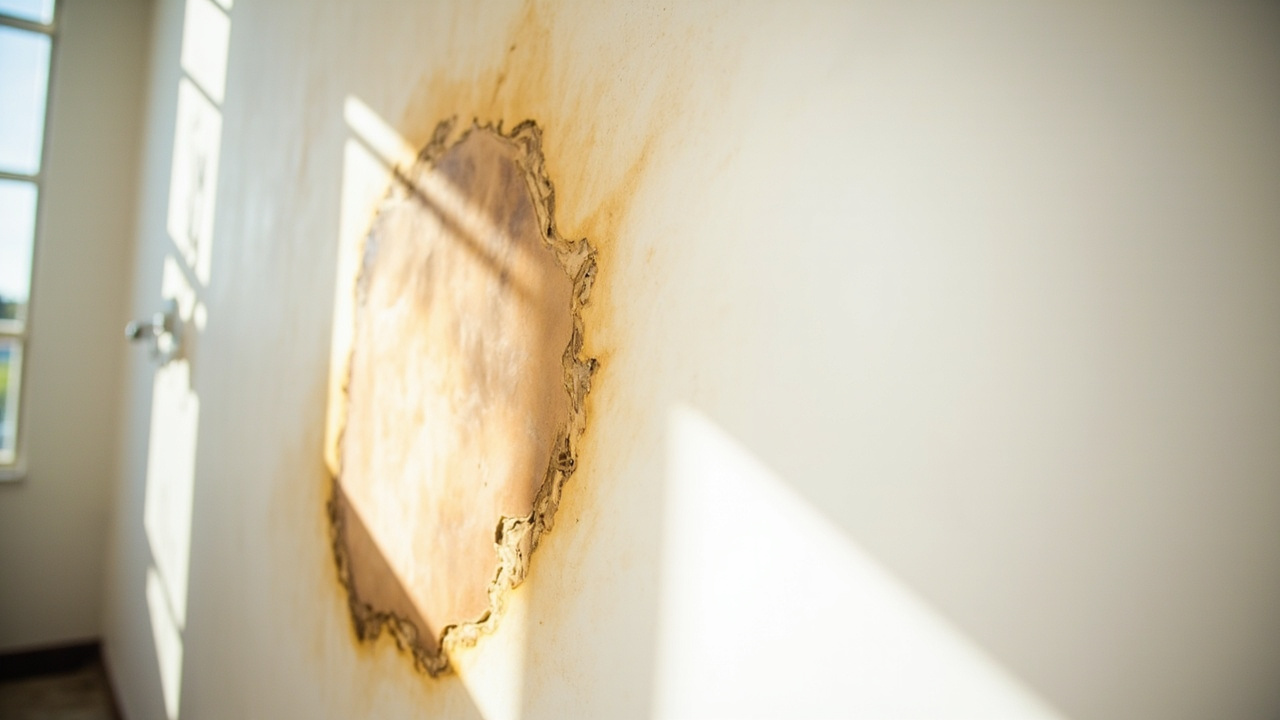
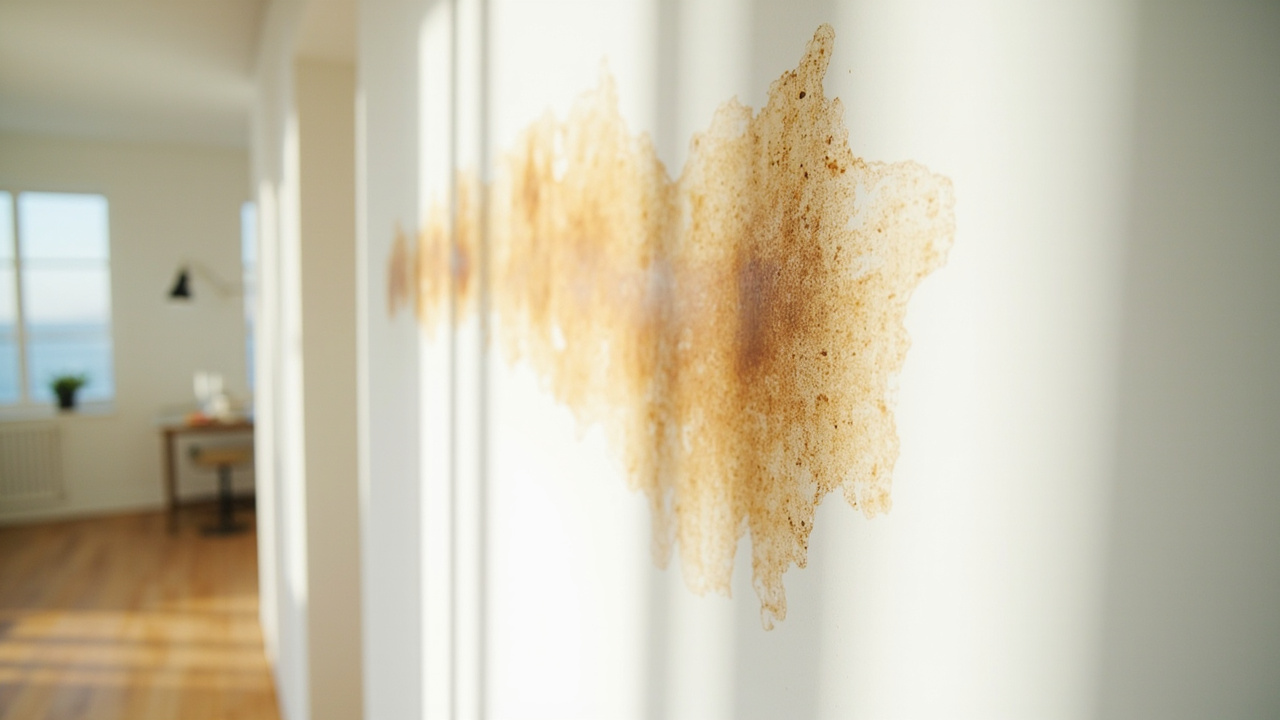
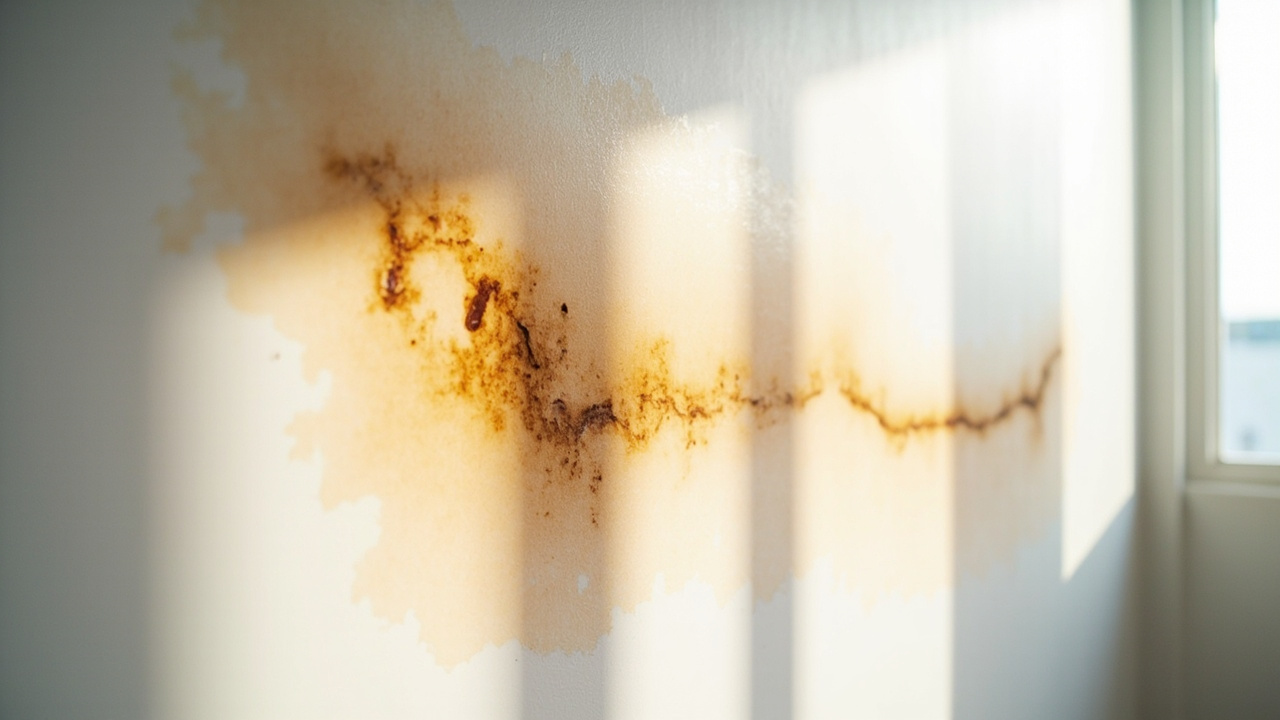
Water stains appear as discolored patches, usually yellow, brown, tan, or gray. They often have irregular edges and may show rings where water pooled and dried repeatedly. Fresh stains look darker and feel damp. Old stains fade to lighter shades but remain visible. You may see peeling or bubbling paint around the stain. If mold is present, the stain has black, green, or fuzzy spots. Ceilings show circular patterns from roof leaks. Walls near pipes or windows show vertical streaks. Seattle homes often get stains near poorly sealed windows or attic condensation points.

How Seattle Rain Patterns Create Hidden Moisture Problems

Seattle receives consistent rainfall from October through May, but the real issue is persistent drizzle rather than heavy downpours. This light, constant moisture saturates building materials slowly over time. Roof shingles stay damp for days, allowing water to wick under damaged flashing. Window frames swell and contract with moisture cycling, breaking sealant bonds. Exterior walls face prevailing southwest winds that drive rain into wall cavities through the smallest gaps. Homes in neighborhoods like Queen Anne, Magnolia, and West Seattle face direct weather exposure with limited natural windbreaks. This creates more yellow stains on drywall and brown water spots on walls than in sheltered areas like Ravenna or Laurelhurst.

Evergreen Water Damage Restoration Seattle understands these local moisture patterns because we work in Seattle homes every day. We know which Seattle neighborhoods have older housing stock with failing building envelopes and where new construction uses engineered lumber that requires careful moisture management. Our technicians recognize the signs of condensation damage common in Seattle homes with inadequate attic ventilation. We coordinate with local Seattle building inspectors when permits are required for structural repairs. Choosing a local restoration company means working with professionals who understand Seattle building practices, climate challenges, and insurance claim procedures specific to King County.


Water Damage Restoration Services in The Seattle Area

Evergreen proudly serves Seattle and its surrounding communities with professional water damage restoration you can count on. Whether you’re downtown, in the suburbs, or nearby, our responsive team is just a call away. View our service area on the map to see if we’re available in your neighborhood. We’re committed to helping local homeowners and businesses recover fast—so if you need help, we’ll come to you. Use the map below to locate our base or service radius and reach out anytime.

Address:
Evergreen Water Damage Restoration Seattle, 600 Stewart St, Seattle, WA, 98101

Additional Services We Offer

Our news updates

Latest Articles & News from The Blogs

How to Stop Your Lake Forest Park Deck from Leaking into the Rooms Below If water from your deck seeps…

How to Stop Your Lake Forest Park Deck from Leaking into the Rooms Below

How to Stop Your Lake Forest Park Deck from Leaking into the Rooms Below If water from your deck seeps…

Why Your West Seattle Retaining Wall Could Be the Cause of Your Wet Basement

Why Your West Seattle Retaining Wall Could Be the Cause of Your Wet Basement \n\n West Seattle’s dramatic topography of…

Fixing Moisture Problems in Your Mukilteo Home After a Heavy Fog Season

Fixing Moisture Problems in Your Mukilteo Home After a Heavy Fog Season Living near Puget Sound means dealing with persistent…

Contact Us

Do not wait for that water stain to grow or for mold to develop behind your walls. Call Evergreen Water Damage Restoration Seattle at (564) 220-5525 right now. We will assess your water damage, locate the source, and provide honest recommendations to protect your Seattle home.