
menu

Musty Smells & Odor Removal in Seattle – Permanent Solutions for Damp, Moldy Air

Evergreen Water Damage Restoration Seattle uses thermal imaging and hydroxyl generators to locate hidden moisture sources and neutralize musty odors at the molecular level, not just mask them with fragrance.

Slider Image 1
Slider Image 2
Slider Image 3
Slider Image 4
Slider Image 5
Slider Image 7
Slider Image 8
Slider Image 9
Slider Image 10
Slider Image 11

Why Seattle Homes Trap Musty Smells Year-Round

You smell it the moment you walk in. That damp, earthy funk that lingers in closets, crawl spaces, and basements. You have tried air fresheners, opened windows, and run fans. Nothing works. The smell comes back.

Seattle's climate creates perfect conditions for persistent odors. Marine air keeps relative humidity above 70 percent for most of the year. Homes built on sloped lots funnel groundwater toward foundations. Single-pane windows in older homes sweat condensation. Crawl spaces under pier-and-beam homes stay damp from October through June.

Musty smells are not just unpleasant. They signal active microbial growth. Mold releases microbial volatile organic compounds as it digests organic materials like drywall paper, wood framing, and insulation. These gases smell earthy or sour. You cannot scrub them away because the source is hidden behind walls, under flooring, or in ductwork.

Damp smell remediation requires finding the moisture intrusion point. A leaking roof valley. A failed pan seal under a washing machine. Condensation on cold water pipes in an uninsulated crawl space. Surface cleaning does not stop mildew odor elimination. You must dry the structure and remove contaminated materials.

Homes in neighborhoods like Ballard, Fremont, and West Seattle face additional challenges. Many were built in the 1920s and 1930s with no vapor barriers. Basements have stone foundations that wick moisture. Removing moldy scents in these homes requires targeted drying and controlled demolition, not guesswork.

If you smell mildew, you have a water problem. The odor is the symptom. The fix starts with finding the leak.

Why Seattle Homes Trap Musty Smells Year-Round
How We Eliminate Odors Without Masking Them

How We Eliminate Odors Without Masking Them

Neutralizing musty odors requires destroying the compounds that cause them. We do not use ozone machines or chemical foggers. Those treatments oxidize surfaces and create respiratory hazards. Instead, we use hydroxyl generators that break down volatile organic compounds through advanced oxidation without harming occupants or materials.

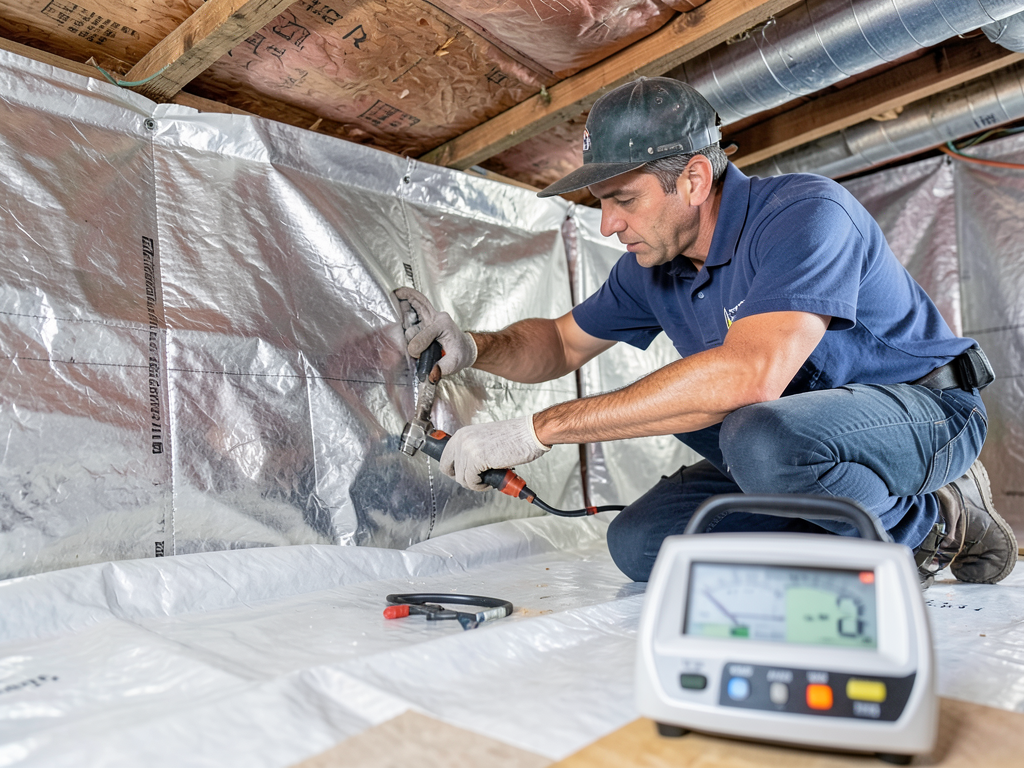
First, we locate every moisture source. Thermal imaging cameras detect temperature differentials caused by evaporation. Moisture meters measure water content in framing, subfloors, and drywall. Hygrometers track ambient humidity. We map the damage before we start extraction.

Next, we establish drying goals based on material type. Kiln-dried framing lumber should read below 15 percent moisture content. Concrete slabs should drop below 4 percent. Drywall should fall below 1 percent. We place commercial dehumidifiers and air movers to create a drying chamber. Airflow is calculated in cubic feet per minute. We adjust equipment placement every 12 hours based on moisture readings.

Eradicating water damage smells also means removing contaminated materials. If drywall has been wet for more than 48 hours, the paper backing is compromised. Mold colonizes the cellulose. We cut it out and bag it. Wet insulation loses R-value and holds moisture. We remove it. Carpets and padding that have absorbed Category 2 or Category 3 water get pulled and disposed of.

After demolition, we treat framing and subfloors with antimicrobial solutions. Then we run hydroxyl generators for 24 to 72 hours. The units produce hydroxyl radicals that oxidize odor molecules on contact. The air smells neutral when treatment is complete, not perfumed.

We verify results with air quality testing before reconstruction begins.

What Happens During Odor Remediation

Musty Smells & Odor Removal in Seattle – Permanent Solutions for Damp, Moldy Air
01

Source Identification

We use thermal imaging to scan walls, ceilings, and floors for temperature anomalies that indicate hidden moisture. Moisture meters confirm water intrusion in framing and subfloors. We trace the water back to its entry point, whether a plumbing leak, roof penetration, or foundation crack. You cannot fix the smell without stopping the water.
02

Controlled Drying

We set up drying equipment calibrated to your home's square footage and material types. Commercial dehumidifiers pull moisture from the air. Air movers create circulation to accelerate evaporation. We monitor moisture levels twice daily and adjust airflow patterns. Structural drying takes three to seven days depending on saturation depth and ambient humidity.
03

Odor Neutralization

After materials reach target moisture content, we deploy hydroxyl generators to eliminate residual odors. These units produce safe oxidizing agents that break down microbial volatile organic compounds at the molecular level. Treatment runs 24 to 72 hours. We verify air quality before equipment removal. The space smells clean, not chemically treated.

Why Seattle Homeowners Choose Evergreen Water Damage Restoration

Removing musty smells in Seattle homes requires understanding local construction methods and climate patterns. Homes in Capitol Hill, Queen Anne, and Wallingford were often built with balloon framing, where wall cavities run uninterrupted from foundation to roofline. Water from a second-story bathroom leak can travel down stud bays and settle in first-floor walls. Generic restoration companies miss these hidden pockets.

We know Seattle's building stock. Pier-and-beam foundations in older neighborhoods need crawl space encapsulation to control ground moisture. Homes with daylight basements experience stack effect during heating season, pulling damp crawl space air into living areas. We address the building science problem, not just the odor.

Our technicians hold IICRC certifications in water damage restoration and applied structural drying. We follow industry standards for moisture mapping, psychrometrics, and antimicrobial treatment. We document every step with photos and moisture logs. Insurance adjusters trust our reporting because it is thorough and accurate.

We also understand Seattle's permitting requirements. If odor remediation involves removing more than 32 square feet of mold-contaminated material, the project may trigger Department of Labor and Industries reporting requirements. We handle the paperwork and keep you compliant.

You are not hiring a carpet cleaner with a truck-mounted extractor. You are hiring a restoration contractor who understands vapor pressure, dew point, and microbial ecology. We know the difference between surface mold and systemic colonization. We know when to remove materials and when to treat them in place.

Seattle's homes need specialists who understand wet climates. We have been drying structures in the Pacific Northwest for years. We know what works.

What to Expect When You Call Us

Same-Day Assessment

We respond to odor complaints within four hours during business hours. Emergency calls get immediate dispatch. Our technicians arrive with moisture detection equipment and perform a full diagnostic assessment. You receive a written scope of work that outlines moisture sources, affected materials, and recommended remediation steps. No guessing. No upselling. Just a clear plan based on measurable data.

Thorough Moisture Mapping

We document moisture levels in every affected area using calibrated meters. Thermal imaging scans identify hidden saturation behind finished surfaces. We create a moisture map that guides equipment placement and demolition decisions. Daily moisture readings track drying progress. You see exactly where the water is and how quickly it is leaving. This data-driven approach prevents over-drying or under-drying, both of which waste time and money.

Clean, Neutral Air

When we finish, your home smells clean. Not like chemicals or perfume. Just neutral. Hydroxyl treatment destroys odor molecules instead of covering them. We verify air quality before demobilizing equipment. If reconstruction is needed, we coordinate with our rebuild team or your preferred contractor. The goal is complete odor elimination, not temporary masking. You should be able to sell your home or rent it without disclosure concerns.

Post-Remediation Verification

We provide a certificate of completion that documents final moisture readings and confirms the structure meets industry drying standards. If your insurance requires third-party testing, we coordinate with independent hygienists for clearance testing. This documentation protects your investment and provides peace of mind. We also offer annual moisture inspections to catch problems before they become expensive. Prevention is cheaper than remediation.

Frequently Asked Questions

You Have Questions,
We Have Answers

How to get rid of a strong musty smell? +

Strong musty smells come from moisture and organic decay. Start by identifying the source. Check basements, crawl spaces, and under sinks for leaks or standing water. Open windows to increase airflow and run dehumidifiers to drop humidity below 50%. Clean affected surfaces with vinegar or baking soda. In Seattle's damp climate, persistent smells often mean hidden water damage or mold growth behind walls or under flooring. If the smell returns after cleaning, you need professional inspection. The problem is deeper than surface odor and requires moisture mapping and source elimination.

What is the hardest smell to get rid of in a house? +

Decomposition smells are the toughest to eliminate. This includes dead animals in walls, sewage backup, and advanced mold colonies. These odors penetrate porous materials like drywall, insulation, and wood framing. Surface cleaning does not work. You must remove contaminated materials and treat the space with enzyme cleaners or ozone generators. In Seattle homes with crawl spaces, rodent die-off creates persistent smells that require professional extraction and encapsulation. Smoke damage runs a close second. Both require source removal, not masking. Deodorizers only hide the problem temporarily.

How to get rid of old lady smell in house? +

That stale, perfume-and-dust smell comes from poor ventilation and fabric buildup. Wash all textiles including curtains, upholstery, and carpets. Steam clean furniture and carpets to extract trapped particles. Replace HVAC filters and clean air ducts to remove circulated dust. Open windows daily to flush stale air, even in Seattle's rainy months. Check for hidden moisture in closets or under beds where air does not move. Baking soda on carpets before vacuuming helps absorb odors. If the smell persists after deep cleaning, you may have hidden mold or mildew in wall cavities.

What makes a house smell musty? +

Musty smells mean moisture and microbial growth. Common causes include leaking pipes, roof leaks, poor ventilation, foundation cracks, and high humidity. In Seattle, our wet climate and aging housing stock create perfect conditions for moisture intrusion. Crawl spaces without vapor barriers allow ground moisture to rise into floor joists. Bathroom exhaust fans that vent into attics trap moisture. Gutters clogged with cedar and fir needles overflow and saturate siding. Older homes in Ballard and Capitol Hill often have inadequate crawl space ventilation. The smell is your early warning system before visible mold appears.

Can a musty smell indicate mold? +

Yes. Musty smells are microbial volatile organic compounds released by mold colonies. If you smell it, mold is growing somewhere. The odor often appears before you see visible growth because mold starts behind walls, under flooring, or in HVAC ducts. Seattle's humidity makes this common in basements and crawl spaces. Do not ignore the smell. Mold releases spores that affect indoor air quality and can trigger respiratory issues. You need professional moisture detection and inspection. Thermal imaging and moisture meters locate hidden colonies. Treating the smell without removing the mold source wastes time and money.

What is a homemade musty odor eliminator? +

White vinegar in spray bottles works for light surface odors on hard surfaces. Baking soda absorbs smells in carpets and upholstery. Leave it for 24 hours before vacuuming. Activated charcoal bags pull moisture and odors from enclosed spaces like closets. However, homemade solutions only mask symptoms. They do not fix the moisture problem causing the smell. In Seattle's climate, musty odors signal ongoing water intrusion or high humidity. If DIY cleaning does not eliminate the smell within 48 hours, you have a structural moisture issue that needs professional diagnosis and remediation, not another spray bottle.

How Seattle's Year-Round Humidity Fuels Persistent Musty Smells

Seattle averages 150 days per year with measurable precipitation. Marine air from Puget Sound keeps relative humidity above 70 percent even when it is not raining. Homes without proper ventilation trap this moisture. Crawl spaces stay damp from fall through spring. Bathroom exhaust fans that vent into attics create condensation problems. Mildew odor elimination in Seattle requires controlling indoor humidity year-round, not just after a visible leak. The smell you notice in August started with condensation in February.

Seattle's older housing stock was built before modern moisture control standards. Many homes lack vapor barriers in crawl spaces or adequate attic ventilation. Evergreen Water Damage Restoration Seattle understands these legacy construction issues. We have worked in homes across Greenwood, Ravenna, and Columbia City. We know the common failure points. Local expertise matters because Seattle homes do not behave like homes in Phoenix or Atlanta. Damp smell remediation here requires strategies specific to our marine climate and building methods.


Water Damage Restoration Services in The Seattle Area

Evergreen proudly serves Seattle and its surrounding communities with professional water damage restoration you can count on. Whether you’re downtown, in the suburbs, or nearby, our responsive team is just a call away. View our service area on the map to see if we’re available in your neighborhood. We’re committed to helping local homeowners and businesses recover fast—so if you need help, we’ll come to you. Use the map below to locate our base or service radius and reach out anytime.

Address:
Evergreen Water Damage Restoration Seattle, 600 Stewart St, Seattle, WA, 98101

Additional Services We Offer

Our news updates

Latest Articles & News from The Blogs

How to Stop Your Lake Forest Park Deck from Leaking into the Rooms Below If water from your deck seeps…

How to Stop Your Lake Forest Park Deck from Leaking into the Rooms Below

How to Stop Your Lake Forest Park Deck from Leaking into the Rooms Below If water from your deck seeps…

Why Your West Seattle Retaining Wall Could Be the Cause of Your Wet Basement

Why Your West Seattle Retaining Wall Could Be the Cause of Your Wet Basement \n\n West Seattle’s dramatic topography of…

Fixing Moisture Problems in Your Mukilteo Home After a Heavy Fog Season

Fixing Moisture Problems in Your Mukilteo Home After a Heavy Fog Season Living near Puget Sound means dealing with persistent…

Contact Us

Stop living with musty odors. Call Evergreen Water Damage Restoration Seattle at (564) 220-5525 for a same-day moisture assessment. We find the source, dry the structure, and neutralize odors permanently.