


Seattle receives 37 inches of precipitation annually, but the marine influence creates persistent humidity even during dry periods. Puget Sound proximity keeps relative humidity elevated, rarely dropping below 60% during winter months. This constant moisture load means building materials never fully dry between rain events. Homes in neighborhoods like Magnolia and West Seattle face additional challenges from salt-laden air accelerating material degradation. When water intrusion occurs in this climate, emergency mold containment must address both the acute damage and the underlying humidity that enables rapid recolonization. Standard drying timelines used in drier climates fail in Seattle's environment, requiring extended dehumidification and more aggressive moisture control.
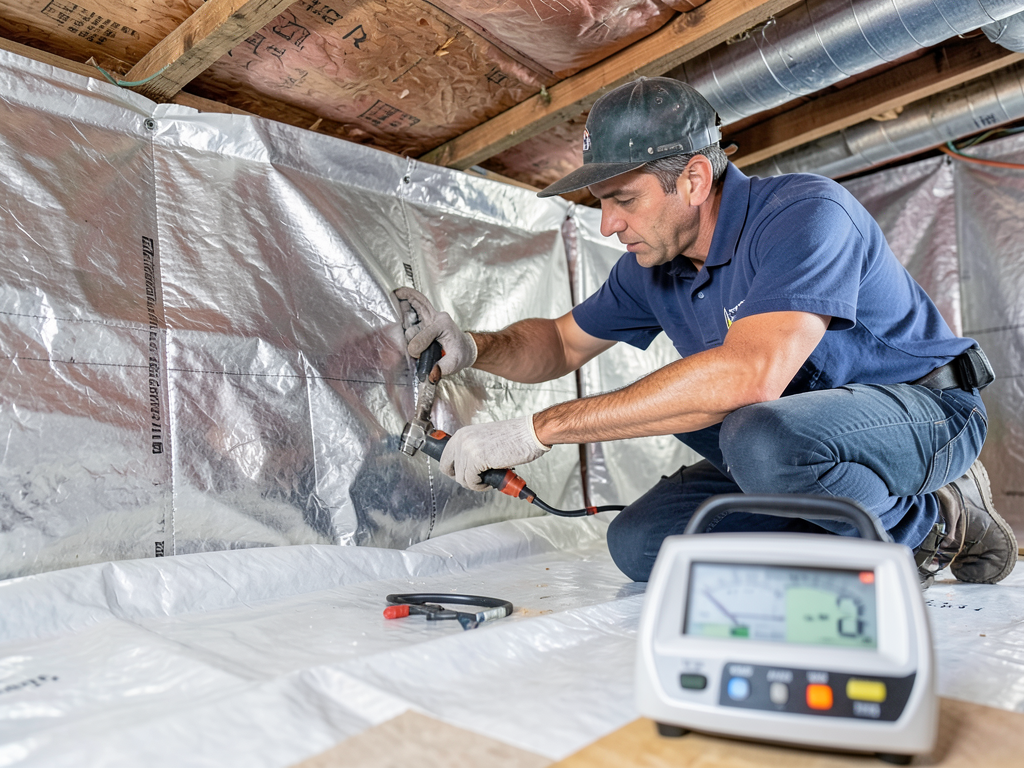
Seattle's housing stock includes thousands of pre-1950 structures built before modern moisture management techniques. These homes often lack vapor barriers, have inadequate crawl space ventilation, and feature single-pane windows that create condensation zones. Many Queen Anne and Capitol Hill properties have been renovated without addressing underlying moisture issues, trapping humidity in wall cavities. Local water damage restoration expertise means understanding these construction patterns and how they influence mold growth after flooding or leaks. Evergreen Water Damage Restoration Seattle technicians receive ongoing training on regional building methods and Seattle-specific moisture dynamics, ensuring emergency containment strategies address both visible contamination and hidden growth patterns common to our area's architecture.