

menu

Rapid Response Flood Extraction in Seattle – Crews Dispatched in 60 Minutes or Less

When floodwater invades your Seattle home or business, every minute counts. Our rapid response flood extraction teams deploy emergency water removal equipment immediately, working around the clock to stop structural damage before it spreads.

Slider Image 1
Slider Image 2
Slider Image 3
Slider Image 4
Slider Image 5
Slider Image 7
Slider Image 8
Slider Image 9
Slider Image 10
Slider Image 11

Seattle's Storm Systems and Flooding Risks Demand Immediate Water Extraction

Seattle sits between Puget Sound and Lake Washington, with dozens of creeks and drainage systems running through neighborhoods like Capitol Hill, Ballard, and Georgetown. When Pacific storm systems dump heavy rain across King County, these waterways overflow fast. Your basement floods. Your crawl space fills. Water pushes through foundation cracks and window wells.

You need emergency water removal services before the floodwater destroys flooring, drywall, and electrical systems. The first 24 hours determine whether you face a cleanup or a total reconstruction. Saturated wood framing starts warping within hours. Mold spores colonize damp surfaces in 48 hours. Contaminated water from sewer backups creates immediate health hazards.

Seattle's marine climate keeps humidity levels high year-round, which means wet building materials do not dry on their own. You need industrial-grade 24/7 flood extraction with truck-mounted pumps and commercial dehumidifiers. Waiting until morning or hoping the water recedes on its own leads to exponentially higher repair costs.

Urgent water cleanup starts with stopping the source and removing standing water immediately. Whether a pipe burst in your Fremont bungalow or stormwater breached your South Lake Union office, immediate flood pumping prevents secondary damage. The longer water sits, the deeper it penetrates subflooring, insulation, and wall cavities. Emergency water damage extraction is not a convenience. It is structural preservation.

Seattle's Storm Systems and Flooding Risks Demand Immediate Water Extraction
How Professional Flood Extraction Works in Seattle Properties

How Professional Flood Extraction Works in Seattle Properties

Rapid response flood extraction requires specialized equipment you cannot rent from a hardware store. We deploy truck-mounted extractors capable of removing thousands of gallons per hour, paired with trailer-mounted generators for power redundancy. Our technicians arrive with thermal imaging cameras to map moisture intrusion behind walls and under floors.

First, we assess contamination level. Clean water from supply lines requires different protocols than gray water from appliances or black water from sewage backups. IICRC S500 standards dictate extraction methods, drying goals, and disposal procedures based on water category. We follow these standards exactly.

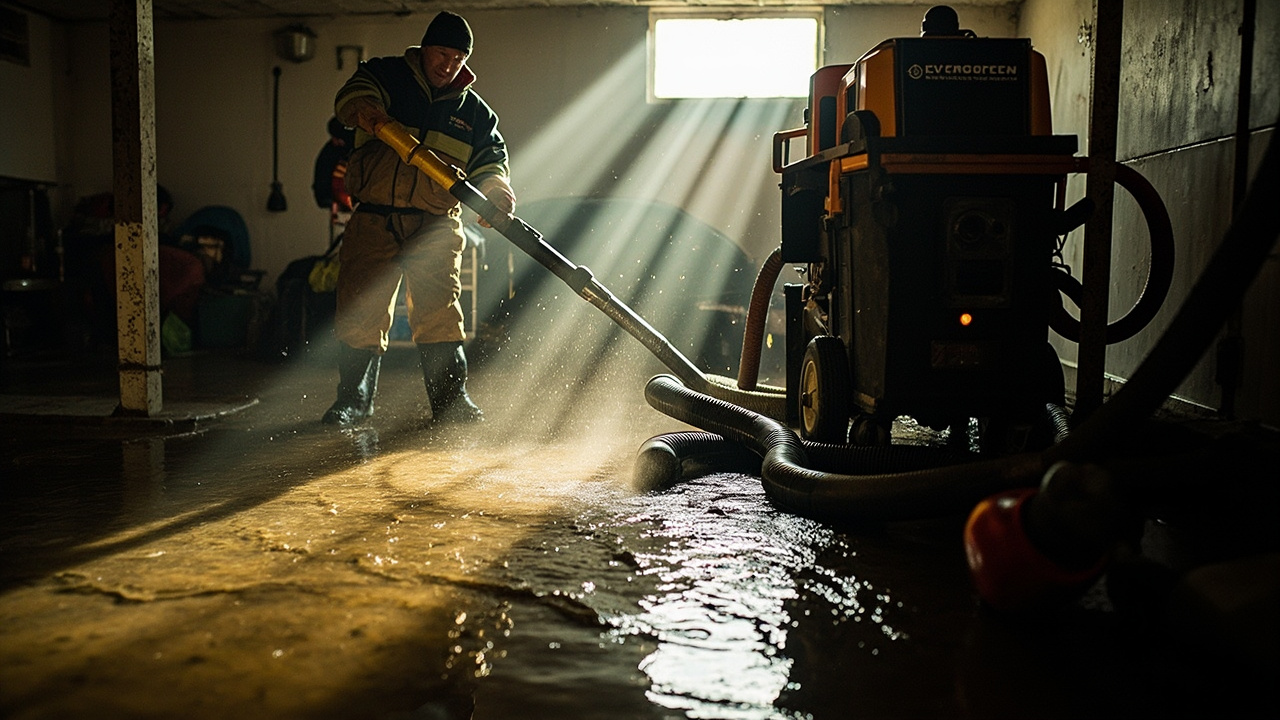
Next, we extract standing water using submersible pumps and weighted extraction wands. For carpet and padding, we use penetrating extraction tools that pull water from deep fibers and backing materials. Hardwood floors require surface extraction without oversaturation. Tile and concrete need different approaches than vinyl or laminate.

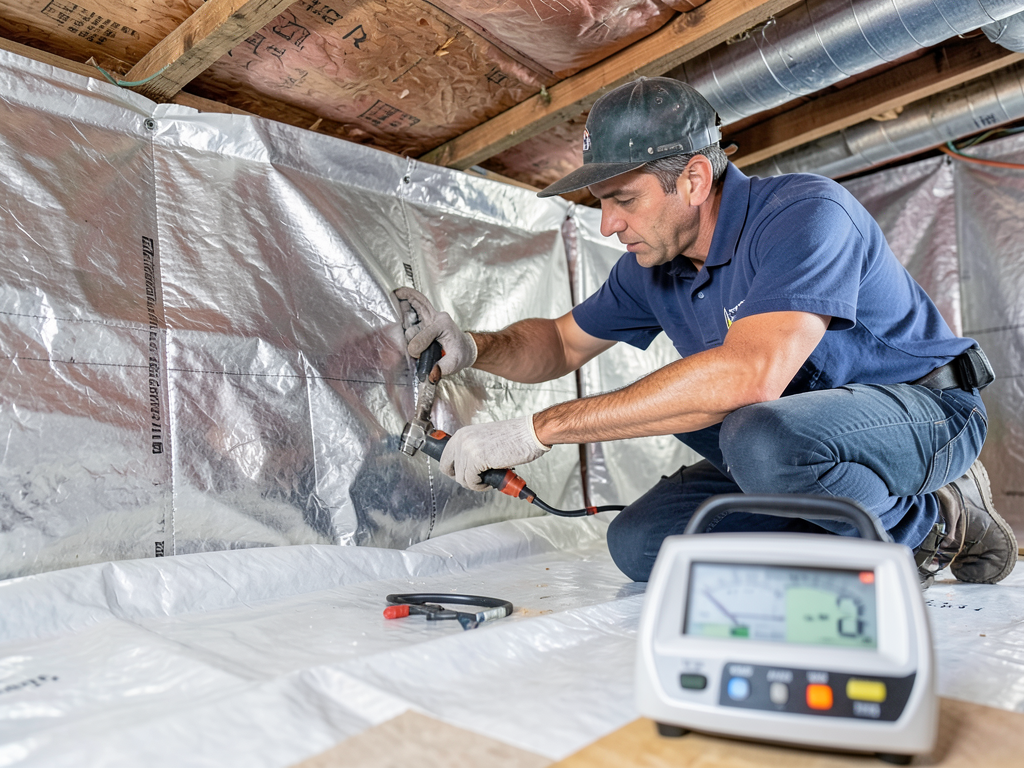
After extraction, we measure moisture content in structural materials using penetrating moisture meters. Drywall should read below 1 percent. Wood framing should drop below 15 percent moisture content. We place air movers in calculated patterns to create airflow across wet surfaces, positioned based on psychrometric calculations and vapor pressure differentials.

Commercial dehumidifiers remove moisture from the air itself, preventing it from reabsorbing into materials. We use low-grain refrigerant dehumidifiers for standard conditions and desiccant dehumidifiers for dense materials or cold environments. Daily moisture readings track drying progress until we reach structural dry standards. This process prevents mold growth, wood rot, and material delamination that would otherwise require demolition and replacement.

What Happens When You Call for Emergency Flood Extraction

Rapid Response Flood Extraction in Seattle – Crews Dispatched in 60 Minutes or Less
01

Immediate Dispatch and Assessment

Your call triggers immediate crew dispatch to your Seattle location. We arrive with extraction equipment, moisture detection tools, and containment supplies. Our technician performs a rapid assessment of water source, contamination category, and affected areas. We identify immediate safety hazards like electrical risks or structural instability. You receive a verbal scope of emergency services needed before we begin water removal. This assessment typically takes 15 minutes, then extraction starts immediately.
02

Water Extraction and Containment

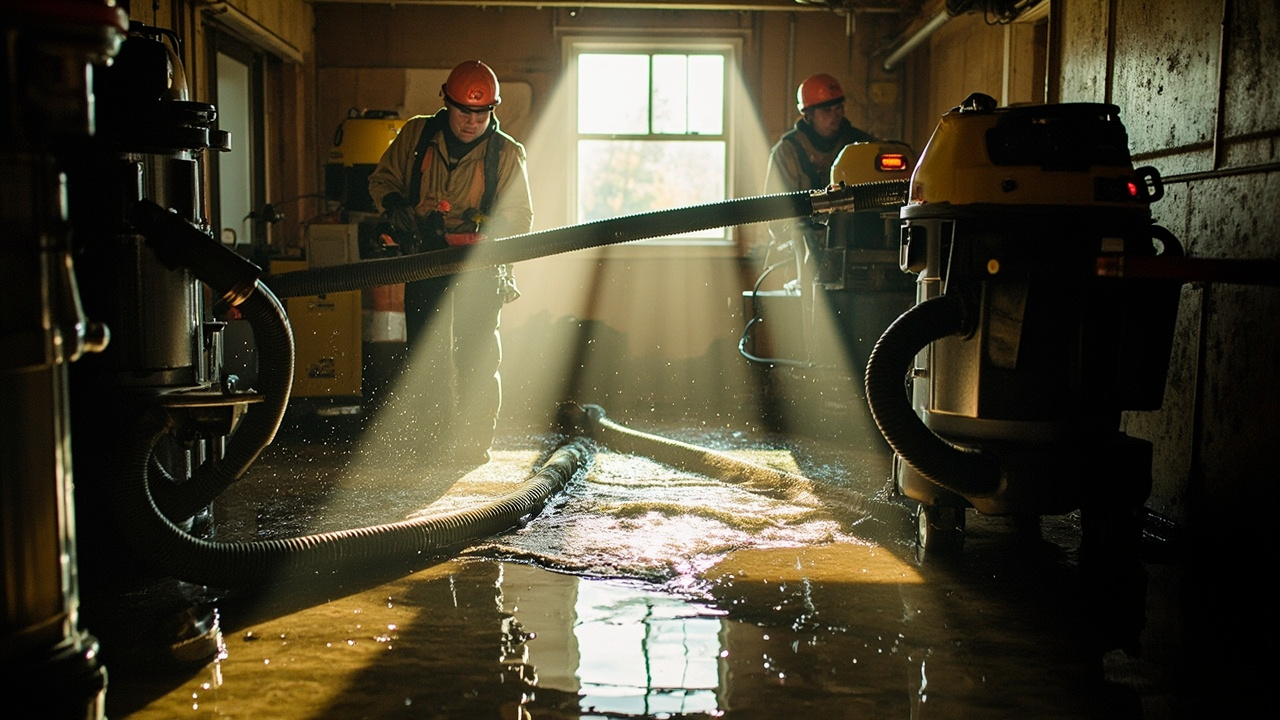
We deploy submersible pumps for standing water and truck-mounted extractors for carpets and upholstery. Containment barriers prevent water migration to unaffected areas. We remove soaked materials that cannot be salvaged, like carpet padding and damaged insulation. Air movers and dehumidifiers begin drying structural components immediately. Our team extracts water from wall cavities through controlled access points. This phase continues until all standing water is removed and moisture levels drop below saturation point.
03

Monitoring and Structural Drying

We monitor moisture levels daily using pin-type and non-invasive meters. Drying equipment runs continuously until structural materials reach dry standards. Our technicians adjust equipment placement based on psychrometric readings and drying progress. You receive daily updates on moisture reduction and estimated completion timeline. Once materials reach target moisture levels, we remove equipment and perform final documentation. This phase typically takes three to five days depending on materials affected and extent of saturation.

Why Seattle Properties Need Local Flood Extraction Expertise

Seattle's building stock ranges from 1900s Craftsman homes in Queen Anne to modern condos in Denny Triangle. Each construction type responds differently to water intrusion. Older homes have balloon framing that allows water to travel vertically through wall cavities. Post-war homes have dense insulation that holds moisture. Modern buildings have vapor barriers that trap water if not properly vented during drying.

Evergreen Water Damage Restoration Seattle technicians know these construction variations. We understand how water behaves in Seattle's specific building types. We know which downtown high-rises have concrete floors requiring specialty drying mats and which Ballard townhomes have engineered lumber sensitive to moisture swelling.

Local knowledge extends to Seattle's flood-prone areas. Georgetown floods when the Duwamish River rises. Pinehurst and Northgate see surface flooding when drainage systems overwhelm during heavy rain. West Seattle properties near Longfellow Creek face seasonal flood risks. We have extracted water from properties in every Seattle neighborhood and understand the recurring patterns.

Insurance claims require documentation that meets adjuster standards. We photograph damage, log moisture readings, and produce detailed drying reports that insurance companies accept without dispute. Our estimates align with Xactimate pricing used by carriers. We communicate directly with your adjuster and provide supporting documentation for your claim.

Time matters in flood extraction. A crew based in Seattle reaches your Fremont home faster than a franchise dispatching from Tacoma or Bellevue. We know the fastest routes through Seattle traffic. We stock equipment locally. When you call at 2 a.m. because your basement is flooding, our technicians are already in Seattle, not 45 minutes away across the lake.

What to Expect During Emergency Flood Extraction

Response Time and Availability

We dispatch crews 24 hours a day, 365 days a year. When you call our emergency line, you speak with a dispatcher immediately, not a voicemail system. Our average response time to Seattle properties is under 60 minutes from your call. During major storm events, we prioritize calls based on severity and safety risks, with active flooding and contaminated water taking precedence. We maintain multiple crews and equipment sets to handle concurrent emergencies across Seattle. You receive an estimated arrival time when you call, and our technician contacts you directly when en route to your property.

Initial Assessment and Scope

Our technician walks your property with you, identifying all affected areas and explaining what needs to happen immediately. We use thermal imaging to detect hidden moisture in walls and ceilings that you cannot see. You receive a verbal explanation of the water category, which determines handling protocols and disposal requirements. We identify materials that can be saved versus those requiring removal. Before we start work, you understand what we are doing and why. For insurance claims, we document everything with photos and moisture readings. This assessment phase takes 15 to 30 minutes depending on property size and damage extent.

Extraction Results and Dry Standards

Successful flood extraction means your structure reaches dry standard, not just visibly dry. We measure moisture content in wood framing, drywall, and subfloors using calibrated meters. Drywall must read below 1 percent moisture content. Wood framing must drop below 15 percent. These are industry standards that prevent mold growth and structural issues. You receive documentation showing before and after moisture readings. Visible drying happens in the first 48 hours, but complete structural drying takes three to five days. We do not remove equipment until meters confirm dry standards are met, regardless of how the materials look.

Post-Extraction Monitoring and Documentation

After extraction, we monitor drying progress daily with scheduled site visits. Our technicians take moisture readings at consistent locations and log the data in your project file. You receive updates on drying progress and any adjustments we make to equipment placement. Once materials reach dry standard, we provide a completion certificate with final moisture readings for your records and insurance company. This documentation is critical if you need to file a claim or if future issues arise. We also provide recommendations for repairs and contractors if reconstruction is needed. Many clients use our reports to negotiate insurance settlements or justify replacement costs.

Frequently Asked Questions

You Have Questions,
We Have Answers

How much does it cost to remove water from a flooded basement? +

Basement flood extraction in Seattle typically ranges from $500 to $10,000 depending on water depth, basement size, and contamination level. Clean water removal costs less than sewage backup. Variables include extraction method, drying equipment needed, and damage severity. Standing water from a broken pipe costs less than water from a Seattle storm surge that soaked drywall and insulation. Most restoration companies offer free inspections and work directly with your insurance adjuster to document damage and streamline claims. Get multiple quotes fast and prioritize companies with 24/7 emergency response, especially during Seattle's heavy rain season.

What is the immediate response to a flood? +

Stop the water source immediately if safe. Turn off electricity to flooded areas at the breaker box. Move valuables and electronics to higher ground. Call a certified flood extraction company within the first hour. Document everything with photos for insurance. Do not enter water above ankle level or if you smell gas. In Seattle, rapid response matters because our humid climate accelerates mold growth within 24 to 48 hours. Professional extractors arrive with truck-mounted pumps, industrial dehumidifiers, and moisture meters to prevent hidden damage in crawl spaces and wall cavities common in older Seattle homes.

Who is the alternative to ServPro? +

Seattle residents often choose local certified restoration companies over national chains. Local operators understand Pacific Northwest moisture challenges, respond faster to Queen Anne or Ballard neighborhoods, and provide personalized service without corporate delays. Look for IICRC-certified technicians, 24/7 emergency dispatch, thermal imaging equipment, and direct insurance billing. Many Seattle-based firms offer comparable or superior equipment and training to national franchises while maintaining stronger community accountability. Check recent reviews from Seattle customers, verify Washington State licensing, and confirm they carry liability insurance. Local teams know Seattle building codes and can navigate historic district requirements.

Who is the largest restoration company? +

Several national restoration franchises operate across the United States with thousands of locations. Size does not guarantee faster response times or better service in Seattle neighborhoods. Large franchises route calls through national centers, which can delay dispatch during Pacific Northwest storm events. What matters during a flood emergency is immediate local availability, not corporate footprint. Seattle homeowners benefit more from certified local operators who know Capitol Hill basements, understand our clay soil drainage issues, and stock equipment locally rather than waiting for regional hubs. Prioritize response time and local expertise over brand recognition during water emergencies.

Will homeowners insurance pay for a flooded basement? +

Coverage depends on the water source. Standard homeowners policies typically cover sudden internal failures like burst pipes or water heater leaks. They exclude gradual seepage, groundwater intrusion, and surface water from Seattle storms unless you purchased separate flood insurance through NFIP. Sewer backup requires an optional endorsement. Read your policy declarations page or call your agent immediately. Document everything with photos and timestamps. Professional restoration companies in Seattle work directly with adjusters, provide detailed moisture maps, and help maximize covered claims. Act fast because most policies require prompt mitigation to prevent secondary damage like mold growth.

Will home insurance cover a flooded basement? +

Standard home insurance covers basement flooding from internal sources like burst pipes, broken washing machine hoses, or water heater failures. It does not cover groundwater seepage, storm surge, or sewer backups without additional endorsements. Seattle's high water table and heavy rainfall make flood insurance and sewer backup riders essential. Review your policy now before disaster strikes. If water is rising, call your agent and a certified extraction company simultaneously. Insurers require immediate mitigation to prevent mold and structural damage. Professional extractors document losses with moisture readings and thermal imaging to support your claim and expedite payment.

How can I prevent mold after a flood? +

Extract all standing water within 24 hours using professional-grade pumps and vacuums. Remove wet materials like carpet padding, drywall below the waterline, and soaked insulation immediately. Run commercial dehumidifiers and air movers continuously for three to five days until moisture readings drop below 15 percent. In Seattle's humid climate, household fans are insufficient. Professionals use thermal imaging to detect hidden moisture in wall cavities and under subflooring. Treat affected areas with antimicrobial solutions. Monitor humidity levels with hygrometers. Mold spores activate fast in our damp Pacific Northwest environment, so speed and thorough drying are non-negotiable.

Can you flush a toilet during a flood? +

Avoid flushing toilets during active flooding if water is rising or if you suspect sewer backup. Flushing can worsen contamination and overflow into your home. If city sewer lines are compromised during Seattle storm events, wastewater has nowhere to go and can backflow through drains. Check with local authorities about sewer system status before using plumbing. If you must use facilities, consider alternatives until floodwaters recede and professionals confirm your sewer connection is safe. Once extraction begins, technicians will assess whether your plumbing system is functional or if repairs are needed before normal use resumes.

What are the four elements of EPP? +

Emergency Preparedness Plan elements include Prevention, Preparedness, Response, and Recovery. Prevention identifies risks before they cause damage. Preparedness establishes protocols, emergency contacts, and resource inventories. Response activates immediate actions like water extraction, safety measures, and damage control. Recovery restores property to pre-loss condition through repairs and reconstruction. For Seattle homes, effective EPP addresses Pacific Northwest risks like heavy rainfall, aging infrastructure in historic neighborhoods, and seismic vulnerabilities. Commercial properties must include business continuity plans. Work with certified restoration professionals who understand local building codes and can execute rapid response during King County flood events.

Does SERVPRO have a good reputation? +

SERVPRO operates as a national franchise with variable quality depending on individual franchise ownership and local management. Some locations maintain strong reputations while others receive complaints about delays, inconsistent pricing, or communication issues. Seattle residents should evaluate any restoration company including SERVPRO franchises based on local reviews, response time guarantees, IICRC certification status, and direct customer feedback from nearby neighborhoods. Request references from recent Seattle projects. Compare estimates from multiple certified providers. Focus on proven local performance, transparent pricing, and equipment quality rather than brand recognition alone when choosing emergency flood extraction services.

Why Seattle's Marine Climate Makes Rapid Flood Extraction Critical

Seattle averages 37 inches of rain annually, spread across 150 days of precipitation. The marine climate keeps relative humidity between 70 and 80 percent year-round. When floodwater saturates your property, this ambient humidity prevents natural evaporation. Materials stay wet longer in Seattle than in drier climates. Wet drywall and framing create perfect conditions for mold colonization within 48 hours. Emergency water removal services must include active dehumidification, not just extraction and airflow. The same flood that might dry passively in Phoenix requires mechanical drying in Seattle. Puget Sound's moderating influence keeps temperatures mild but humidity persistent, which is why professional 24/7 flood extraction with commercial dehumidifiers is non-negotiable for Seattle properties.

King County requires permits for certain reconstruction work following flood damage. Seattle Department of Construction and Inspections enforces building codes specific to moisture management and mold prevention. Our technicians understand these local requirements and document damage in ways that support permit applications and code compliance. We work with Seattle contractors who know SDCI standards for post-flood reconstruction. When your insurance adjuster asks for documentation, we provide reports that meet both carrier standards and local jurisdiction requirements. This local knowledge prevents delays in your claim process and ensures reconstruction meets Seattle building codes. Choosing a water damage company based outside Seattle means dealing with technicians unfamiliar with local procedures, codes, and documentation standards.


Water Damage Restoration Services in The Seattle Area

Evergreen proudly serves Seattle and its surrounding communities with professional water damage restoration you can count on. Whether you’re downtown, in the suburbs, or nearby, our responsive team is just a call away. View our service area on the map to see if we’re available in your neighborhood. We’re committed to helping local homeowners and businesses recover fast—so if you need help, we’ll come to you. Use the map below to locate our base or service radius and reach out anytime.

Address:
Evergreen Water Damage Restoration Seattle, 600 Stewart St, Seattle, WA, 98101

Additional Services We Offer

Our news updates

Latest Articles & News from The Blogs

Emergency Mold Remediation for Busy Families in the Hillman City Neighborhood Mold can spread through a Hillman City home in…

Emergency Mold Remediation for Busy Families in the Hillman City Neighborhood

Emergency Mold Remediation for Busy Families in the Hillman City Neighborhood Mold can spread through a Hillman City home in…

What to Do When a Skylight Leak Ruins the Ceiling in Your Washington Park Home

What to Do When a Skylight Leak Ruins the Ceiling in Your Washington Park Home A skylight leak in your…

Professional Sewage Cleanup for Matthews Beach Homes Near the Lake

Professional Sewage Cleanup for Matthews Beach Homes Near the Lake Matthews Beach homes near Lake Washington face unique sewage backup…

Contact Us

Floodwater is destroying your property right now. Call (564) 220-5525 for immediate dispatch. Our crews are standing by 24/7 with truck-mounted extraction equipment. Every hour you wait increases damage and repair costs. Stop the loss now.