
menu

Emergency Sewage Cleanup in Seattle – 24/7 Rapid Response Teams Dispatch Within 60 Minutes

When raw sewage floods your property, every minute counts. Our certified emergency sewage removal crews arrive fast across Seattle with industrial extraction equipment, EPA-approved antimicrobial treatments, and direct insurance billing to stop contamination before it spreads.

Slider Image 1
Slider Image 2
Slider Image 3
Slider Image 4
Slider Image 5
Slider Image 7
Slider Image 8
Slider Image 9
Slider Image 10
Slider Image 11

Seattle's Aging Sewer Infrastructure Creates Sudden Sewage Emergencies

You walk into your basement and smell it before you see it. Raw sewage pooling across the floor. The panic hits immediately.

Seattle's combination of aging clay sewer laterals and relentless rainfall creates the perfect storm for sewage backups. When the city's combined sewer overflow system reaches capacity during heavy November storms, the pressure forces sewage back through floor drains and toilets in homes across Capitol Hill, Ballard, and West Seattle.

The contamination happens fast. Category 3 water, what the restoration industry calls black water, contains human waste, bacteria, viruses, and parasites. You have 24 to 48 hours before mold colonies establish. You have minutes before the liquid saturates drywall, insulation, and subflooring.

Most homeowners try to mop it up themselves. They do not realize that porous materials like carpet padding and drywall act like sponges, pulling contaminated water deep into the structure where you cannot see it. The health risk compounds when residents, especially children and elderly family members, walk through affected areas.

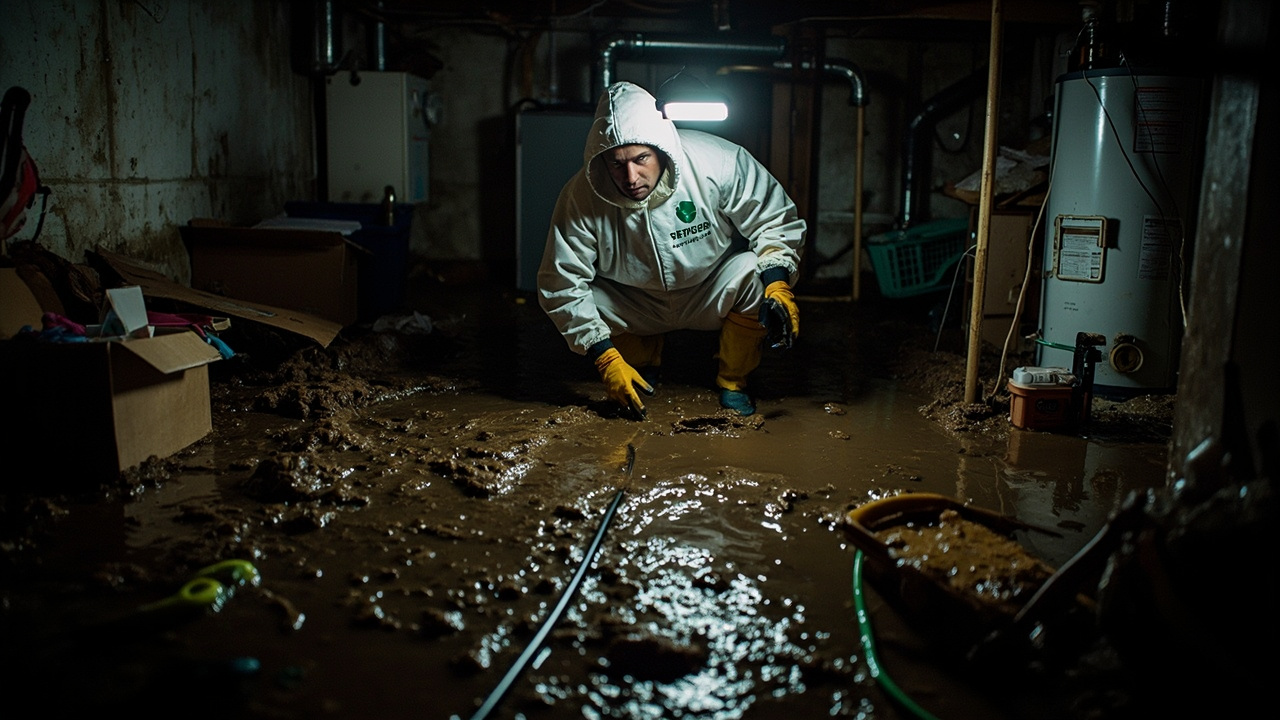
Emergency sewage removal requires negative air pressure containment, PPE-rated protective equipment, and truck-mounted extraction systems that pull thousands of gallons per hour. Cleaning the visible mess solves nothing if pathogens remain embedded in building materials.

Seattle's wet climate means sewage backup cleanup cannot wait. The moisture accelerates microbial growth. What starts as a plumbing failure becomes a biohazard remediation project within hours.

Seattle's Aging Sewer Infrastructure Creates Sudden Sewage Emergencies
Our Sewage Remediation Protocol Follows IICRC S500 Standards

Our Sewage Remediation Protocol Follows IICRC S500 Standards

We do not just extract sewage and spray disinfectant. That approach leaves contamination behind and guarantees callback visits.

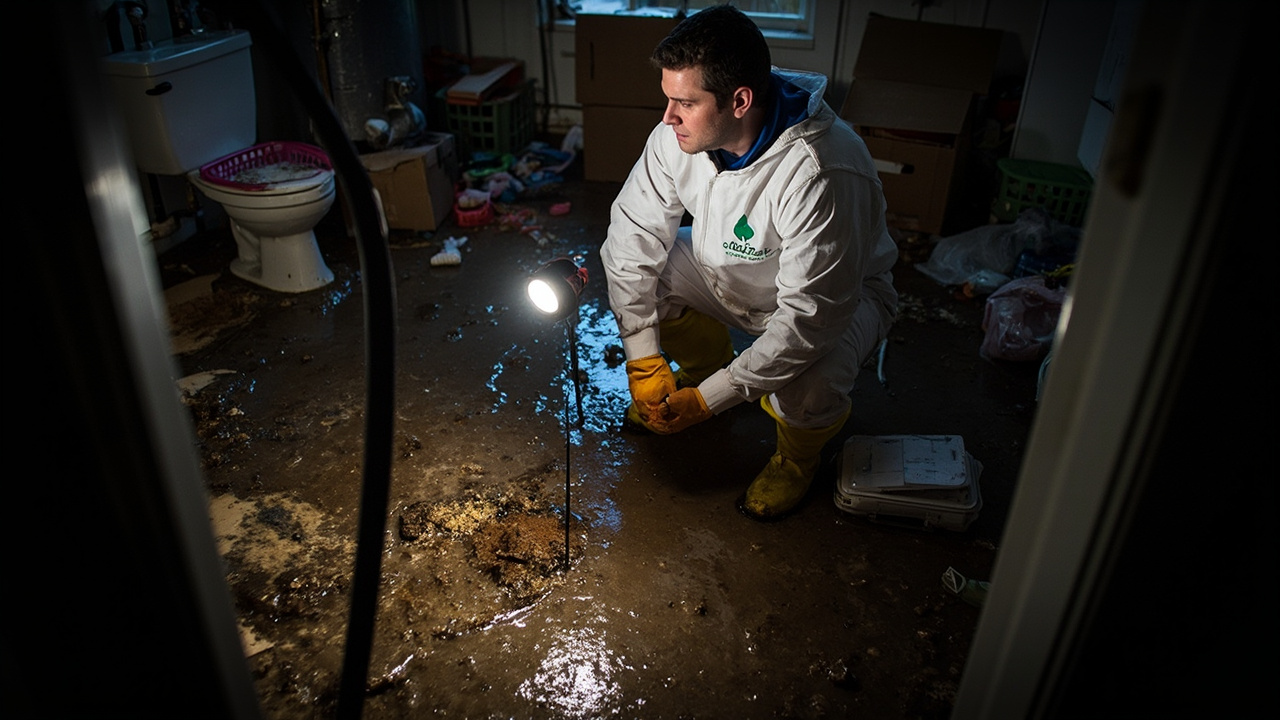
Our urgent sewer water cleanup process starts with source identification. We camera-inspect sewer lines to determine if the backup originated from a broken lateral, root intrusion, or municipal main failure. This matters because it determines liability and insurance coverage pathways.

Next comes containment. We establish negative air pressure zones using HEPA air scrubbers to prevent airborne pathogens from migrating to unaffected areas. Cross-contamination turns a single room disaster into a whole-house remediation project.

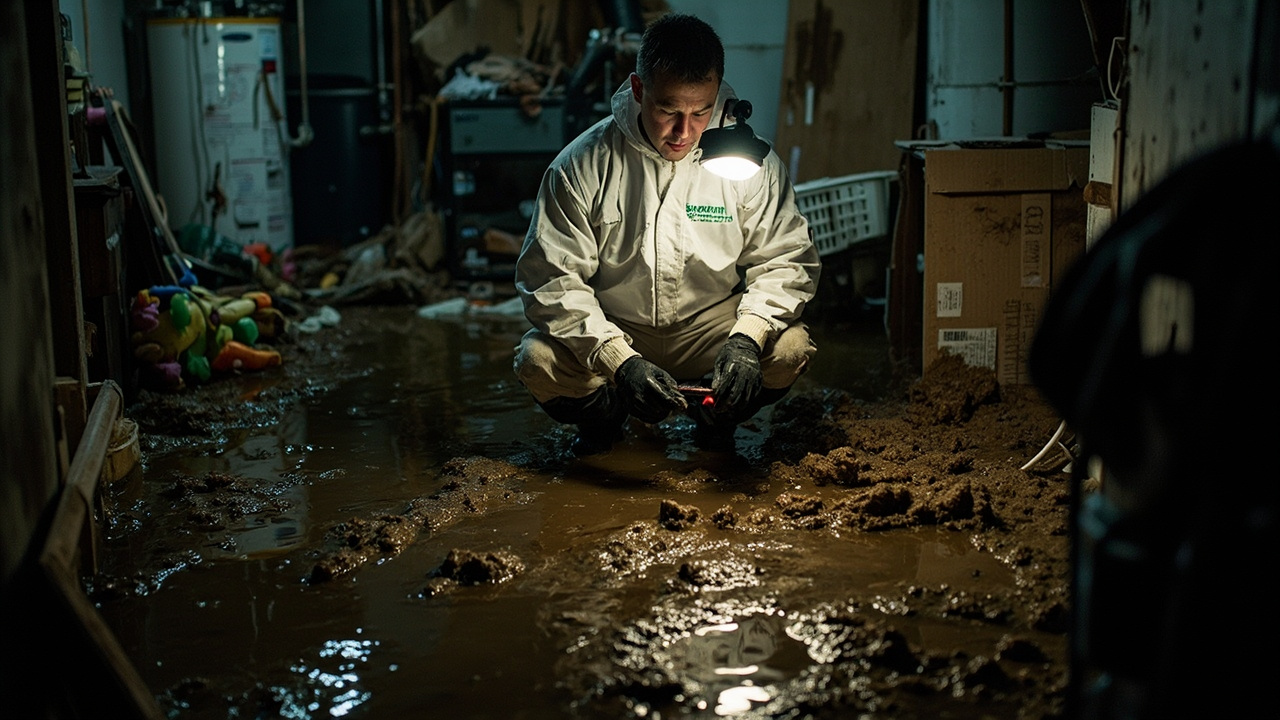
Extraction follows. Our truck-mounted systems generate enough vacuum force to pull sewage from carpet fibers and concrete pores. We do not use shop vacs. The contamination load requires commercial equipment rated for Category 3 water.

Then we remove non-salvageable materials. Drywall wicks sewage upward through capillary action. We cut flood cuts two feet above the visible water line because the contamination travels higher than you see. Carpet and padding get pulled. Insulation gets bagged as biohazard waste.

The sanitization phase uses EPA-registered antimicrobials applied through electrostatic foggers. The charged particles wrap around surfaces, killing pathogens on contact. We follow with hydroxyl generators that break down organic compounds at the molecular level without producing harmful ozone.

Documentation happens throughout. We photograph every stage, log moisture readings with thermal imaging, and maintain chain of custody for removed materials. Insurance adjusters need this evidence. So do health departments if the sewage originated from a municipal failure.

Raw sewage remediation is not about speed alone. It is about following a proven sequence that eliminates contamination completely.

What Happens When You Call for Emergency Sewage Response

Emergency Sewage Cleanup in Seattle – 24/7 Rapid Response Teams Dispatch Within 60 Minutes
01

Immediate Dispatch and Containment

Our dispatch center answers 24 hours a day. You speak with a remediation technician, not an answering service. We ask specific questions about the sewage source, affected square footage, and whether any electrical hazards exist. A two-person crew mobilizes immediately with containment barriers, extraction equipment, and PPE gear. We arrive in marked vehicles equipped with industrial generators because sewage backups often trip breakers. First action on site is establishing physical barriers to prevent foot traffic through contaminated zones.
02

Extraction and Material Removal

Truck-mounted extractors pull standing sewage first. We work from the farthest point back toward the source to avoid spreading contamination. Moisture meters identify hidden saturation in walls and subflooring. Non-salvageable materials get removed immediately because delaying this step allows bacteria to multiply. We document pre-loss conditions with photos and create detailed scope sheets for insurance claims. All removed materials get bagged, labeled as biohazard waste, and transported to approved disposal facilities following Seattle-King County Health Department protocols.
03

Disinfection and Structural Drying

After extraction, we apply hospital-grade antimicrobials to all affected surfaces. This is not surface cleaning. We treat studs, joists, concrete, and any structural components exposed during material removal. Commercial dehumidifiers and air movers run continuously, monitored with data loggers that track temperature and humidity. We return daily to check moisture levels until readings match unaffected areas. Final clearance testing confirms no microbial activity before reconstruction begins. You receive a complete remediation report with before and after documentation.

Why Seattle Properties Need Local Sewage Cleanup Experts

Sewage emergencies do not follow business hours. They happen at 2 AM on Sunday when your main floor toilet overflows or during Thanksgiving dinner when 15 guests have been using your plumbing all day.

National franchise operations dispatch from regional call centers in other states. They farm out the actual work to subcontractors who may never have worked in Seattle. Response times stretch to four or six hours because the crew is finishing another job in Tacoma or Everett.

Evergreen Water Damage Restoration Seattle operates from local facilities in the greater Seattle metro. Our crews know that Queen Anne homes built before 1950 have cast iron sewer laterals prone to collapse. We understand that Northgate and Lake City properties often sit in low-lying areas where combined sewer overflows back up during king tides and heavy rain events.

This local knowledge changes how we approach sewage backup cleanup. We know which neighborhoods connect to aging infrastructure scheduled for replacement by Seattle Public Utilities. We maintain relationships with local plumbing contractors who can camera-inspect lines and perform emergency repairs while we handle remediation.

Insurance processing moves faster when we document using local references. Adjusters recognize street names, understand regional building codes, and trust contractors who have worked Seattle claims for years.

We also navigate Seattle's unique permitting requirements. Some sewage remediation projects trigger health department notification, especially when contamination affects multi-family buildings or commercial spaces. We handle those notifications and maintain compliance documentation.

The technical capability matters, but so does accountability. We live and work in the communities we serve. Our reputation depends on doing sewage remediation correctly the first time because word travels fast in Seattle neighborhoods.

You need a sewage cleanup company that answers the phone immediately, arrives within an hour, and knows exactly how Seattle's infrastructure, weather patterns, and building stock create specific challenges.

What to Expect During Emergency Sewage Remediation

60-Minute Emergency Response Time

We dispatch crews within minutes of your call. Response time to most Seattle addresses runs 45 to 60 minutes, depending on traffic and your specific location. Our trucks carry enough equipment to start containment and extraction immediately without waiting for additional resources. Night and weekend calls receive the same priority as daytime emergencies. We do not charge extra for after-hours dispatch. The sewage extraction process typically takes four to eight hours for a single room, longer for whole-floor contamination. We work continuously until standing water is removed and antimicrobial treatment is complete.

Complete Contamination Assessment

Initial assessment identifies the sewage source, determines contamination spread, and establishes safe work zones. We use thermal imaging to detect moisture migration inside walls and under flooring that visual inspection misses. Moisture mapping creates a remediation boundary so we remove only affected materials. You receive a written scope that details square footage, materials requiring removal, estimated drying time, and insurance documentation requirements. We explain what gets saved and what must be discarded based on IICRC guidelines for Category 3 water damage. The assessment takes 30 to 45 minutes and includes photos uploaded to a secure client portal.

Certified Decontamination and Clearance

Sewage cleanup is not complete when the smell goes away. We test moisture levels daily and track drying progress with data loggers that provide timestamped readings. Final clearance requires three consecutive days of stable moisture readings that match unaffected building materials. Antimicrobial efficacy gets verified through ATP surface testing that measures biological activity. You receive a certificate of remediation completion with all moisture logs, treatment records, and disposal documentation. This matters for insurance claims, future property sales, and health department compliance. Properties return to pre-loss condition, not just visually clean but biologically safe.

Insurance Coordination and Direct Billing

We handle insurance claims daily and know what documentation adjusters require for sewage backup coverage. Most homeowner policies cover sudden sewage backups but exclude maintenance-related failures. We help determine coverage applicability and can bill your insurance company directly with an assignment of benefits. Our estimates follow Xactimate pricing that adjusters recognize and accept. We provide supplemental documentation for any disputed line items and participate in adjuster site visits. You are not stuck negotiating with your insurance company while sewage contaminates your home. We manage that process and keep you informed at each step.

Frequently Asked Questions

You Have Questions,
We Have Answers

What is considered a sewer emergency? +

A sewer emergency is any sewage backup that poses immediate health risks or property damage. This includes raw sewage flooding your basement, toilets overflowing with wastewater, or multiple drains backing up at once. In Seattle, heavy rainfall can overwhelm combined sewer systems, causing sudden backups in Capitol Hill and Queen Anne homes. Black water containing feces, pathogens, and chemicals requires immediate professional response. If you see sewage rising from drains, smell foul odors throughout your home, or notice wastewater pooling, you have an emergency. Do not attempt cleanup yourself. Call a certified restoration company immediately to contain contamination and prevent disease transmission.

How much does sewage backup cleanup cost? +

Sewage backup cleanup costs vary based on contamination extent, affected square footage, and structural damage. Minor bathroom backups may start around several hundred dollars, while major basement floods with Category 3 black water can reach thousands. Seattle's older pipe infrastructure in neighborhoods like Fremont and Wallingford often leads to more extensive damage requiring subflooring removal and antimicrobial treatment. Insurance coverage significantly impacts your out-of-pocket expense. Most restoration companies offer free inspections and work directly with insurers. Cost factors include water extraction volume, disposal of contaminated materials, structural drying, sanitization, and reconstruction. Emergency response within the first hour reduces overall expense by preventing mold and structural deterioration.

Does insurance cover sewage cleanup? +

Standard homeowners insurance typically excludes sewer backups, but you can add sewer backup coverage as an endorsement. This rider costs roughly $50 to $250 annually and covers cleanup, repairs, and damaged belongings. Seattle homeowners near Puget Sound or with older sewer laterals should carry this coverage. The endorsement usually caps at $5,000 to $25,000 per incident. Document everything with photos immediately. Your policy may cover sudden pipe bursts but not gradual seepage or lack of maintenance. Read your declarations page carefully. Most restoration companies navigate insurance claims daily and provide documentation your adjuster needs. File your claim within 24 hours for fastest approval and reimbursement.

How to clean up backed up sewage? +

Stop using all water immediately. Do not flush toilets or run sinks. Evacuate the affected area. Sewage contains dangerous pathogens, viruses, and bacteria that cause severe illness. Turn off electricity to flooded areas to prevent electrocution. Never attempt cleanup yourself. Category 3 black water requires professional-grade PPE, EPA-registered disinfectants, and IICRC-certified techniques. Technicians extract standing sewage, remove contaminated porous materials like drywall and carpeting, apply antimicrobial treatments, and use commercial air scrubbers to remove airborne contaminants. Seattle's moisture levels demand thorough structural drying to prevent mold growth within 48 hours. Professionals document the process for insurance and ensure your home is safe before you return.

How much does it cost to unclog a sewer line? +

Sewer line unclogging costs depend on blockage location, pipe depth, and access difficulty. Basic drain snaking for minor clogs ranges from $100 to $300. Hydro-jetting to clear grease buildup or tree root intrusion costs $350 to $600. If your main sewer line under the yard is blocked, expect $500 to $1,500 for camera inspection and cleaning. Seattle's mature trees in neighborhoods like Greenwood and Ravenna cause frequent root invasions requiring professional equipment. If pipes are collapsed or severely damaged, you face line replacement costs. Regular maintenance prevents emergencies. If you have recurring backups, the issue goes beyond a simple clog and requires video inspection to identify the true cause.

Can you get sick from breathing in backed up sewage? +

Yes. Breathing sewage vapors causes serious illness. Raw sewage releases hydrogen sulfide, methane, ammonia, and airborne pathogens including E. coli, salmonella, hepatitis A, and parasites. Exposure leads to respiratory infections, gastroenteritis, skin rashes, eye irritation, and neurological symptoms. Children, elderly, and immunocompromised individuals face heightened risk. Seattle's damp climate accelerates mold growth on sewage-contaminated materials, adding respiratory hazards within 48 hours. Symptoms include nausea, vomiting, fever, dizziness, and difficulty breathing. Leave the area immediately. Do not attempt cleanup without professional respiratory protection and hazmat training. Even after visible sewage is removed, porous materials retain bacteria requiring antimicrobial treatment and air scrubbing to ensure safe indoor air quality.

Will insurance pay for sewer line replacement? +

Homeowners insurance rarely covers sewer line replacement. Standard policies exclude maintenance issues, wear and tear, and gradual deterioration. If a sudden, accidental event like an earthquake damages your line, you may have coverage. Sewer backup endorsements cover interior damage from backups but not exterior pipe replacement. Seattle Public Utilities covers the public main line, but homeowners are responsible for the lateral line from the house to the city connection. Replacement costs range from $3,000 to $25,000 based on distance, depth, and access. Some homeowners purchase separate sewer line insurance or service line coverage. Always review your policy and ask your agent about specific exclusions before assuming coverage.

Why is my sewer bill 200 dollars? +

Your Seattle sewer bill reflects multiple charges beyond usage. Seattle Public Utilities bills include drainage fees for stormwater management, wastewater treatment costs, and infrastructure maintenance. Seattle's combined sewer overflow projects to protect Puget Sound add surcharges. Your bill also includes fixed service charges regardless of consumption. If your bill spiked suddenly, check for leaks or running toilets that increase wastewater volume. Winter billing often averages higher summer usage. The drainage charge is calculated on property square footage and impervious surfaces like driveways and roofs. Seattle rates increased in recent years to fund aging infrastructure replacement. Compare your current bill to previous periods to identify anomalies. Contact SPU billing if charges seem incorrect.

Can I clean my sewer line myself? +

No. Sewer line cleaning requires specialized equipment, training, and safety protocols you do not have. Drain snakes from hardware stores cannot reach main line blockages 50 to 100 feet from your house. Tree roots, grease buildup, and bellied pipes need hydro-jetting at 3,000 to 4,000 PSI. Incorrect DIY attempts damage pipes, void warranties, and worsen blockages. Sewage exposure without proper PPE causes disease. Seattle's older clay and Orangeburg pipes are fragile and easily cracked by improper augering. Licensed plumbers carry video inspection cameras to diagnose the actual problem before clearing blockages. They also pull permits when required and ensure work meets Seattle building codes. Save money long-term by hiring professionals who prevent repeat emergencies and pipe damage.

Is a clogged toilet considered a sewer backup? +

Sometimes. A single clogged toilet with a full bowl is not a sewer backup. If plunging or snaking clears it, the blockage was localized in the toilet trap. However, if multiple fixtures back up simultaneously, wastewater rises in your shower or tub when you flush, or the toilet bubbles and drains slowly, you have a main sewer line issue. Seattle homes built before 1950 often share drain stacks, so one fixture's clog can affect others. If sewage overflows from the toilet bowl onto your bathroom floor, you have an emergency requiring immediate professional cleanup. Category 3 black water contamination demands certified restoration, not a plumber alone. Monitor all drains and call professionals if problems persist or spread.

Seattle's Combined Sewer System Increases Sewage Backup Risk During Storm Events

Seattle operates one of the last combined sewer systems on the West Coast. Rainwater and sewage share the same pipes across large portions of the city. When November storms dump two inches of rain in six hours, the system overloads. Sewage backs up through floor drains in basements across older neighborhoods like Wallingford, Fremont, and Georgetown. Seattle Public Utilities maintains overflow points that discharge directly into Puget Sound and Lake Washington during peak flow events, but that does not prevent backups in individual properties. Homes built before 1960 face the highest risk because they connect to the oldest lateral lines. 24 hour sewage extraction becomes critical during these weather events because multiple properties flood simultaneously and remediation crews get stretched thin.

King County Environmental Health regulates sewage remediation when contamination affects commercial properties or multi-family buildings. Notification requirements trigger at specific contamination thresholds. Our crews maintain current certifications and follow county protocols for documentation, disposal, and clearance testing. We have worked hundreds of sewage backup cleanup projects across Seattle and understand exactly when health department involvement is required and how to maintain compliance. Choosing a local remediation company means working with teams who know Seattle's regulatory environment and have established relationships with the officials who review remediation documentation. That local expertise prevents project delays and ensures your property passes all required inspections.


Water Damage Restoration Services in The Seattle Area

Evergreen proudly serves Seattle and its surrounding communities with professional water damage restoration you can count on. Whether you’re downtown, in the suburbs, or nearby, our responsive team is just a call away. View our service area on the map to see if we’re available in your neighborhood. We’re committed to helping local homeowners and businesses recover fast—so if you need help, we’ll come to you. Use the map below to locate our base or service radius and reach out anytime.

Address:
Evergreen Water Damage Restoration Seattle, 600 Stewart St, Seattle, WA, 98101

Additional Services We Offer

Our news updates

Latest Articles & News from The Blogs

Water seeping through a shared wall is one of the most stressful water damage scenarios a Seattle homeowner can face.…

Water Seeping Through Shared Walls in Othello Townhomes and Rowhouses (What You Need to Know)

Water seeping through a shared wall is one of the most stressful water damage scenarios a Seattle homeowner can face.…

What Happens When a Large Aquarium Breaks in Your Alki Beach Condo

A Broken Aquarium Is a Structural Emergency, Not Just a Mess A 150-gallon aquarium holds roughly 1,250 pounds of water.…

How to Keep Your Pets Safe and Calm While Restoration Crews Work in Your Crown Hill Home

How to Keep Your Pets Safe and Calm While Restoration Crews Work in Your Crown Hill Home Water damage in…

Contact Us

Sewage contamination spreads every minute you wait. Our emergency response teams are standing by 24/7 with extraction equipment and antimicrobial treatments ready to deploy. Call (564) 220-5525 now for immediate dispatch to your Seattle property.