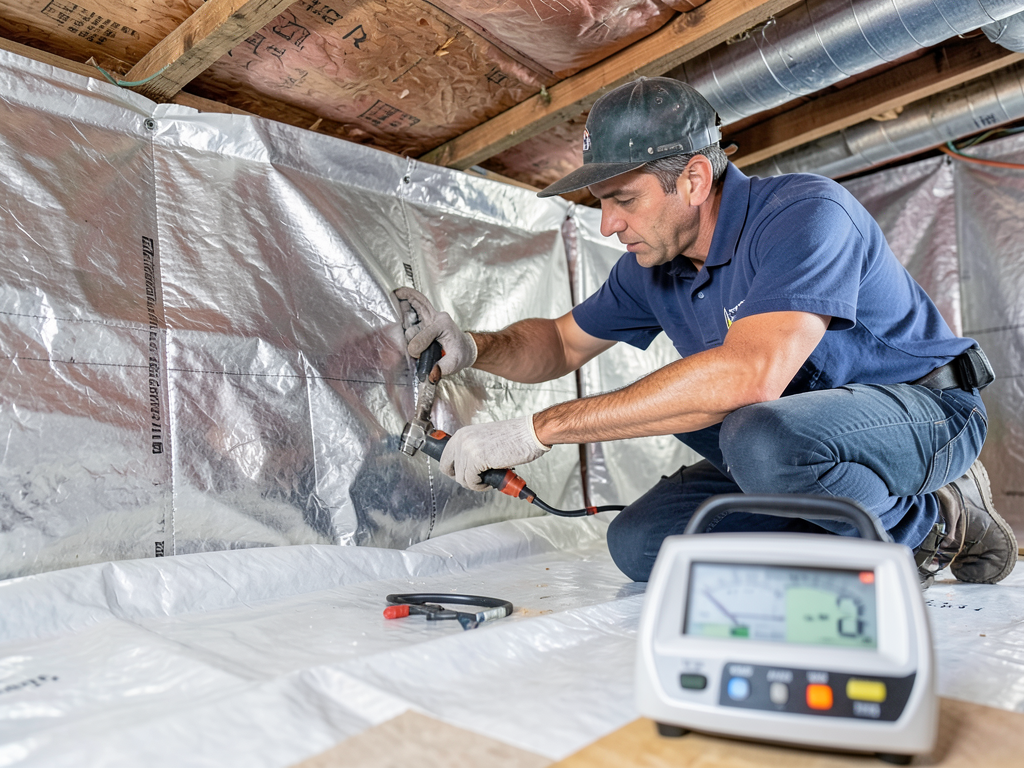



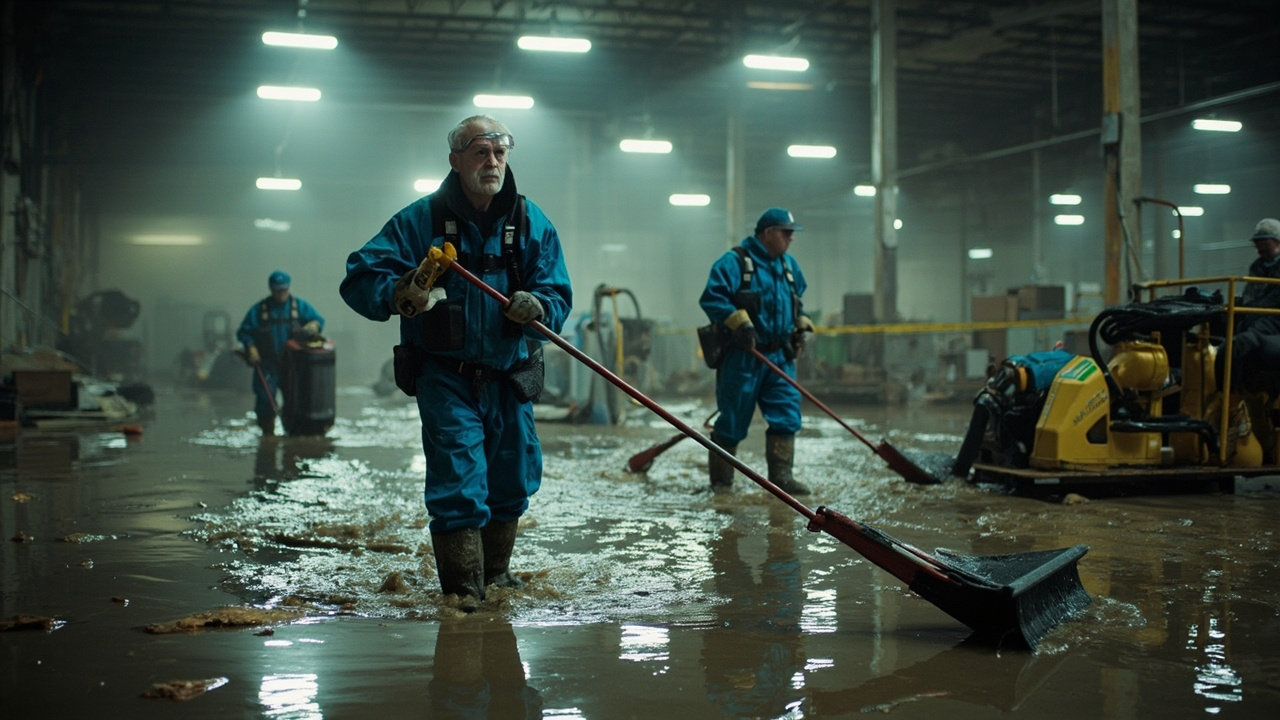
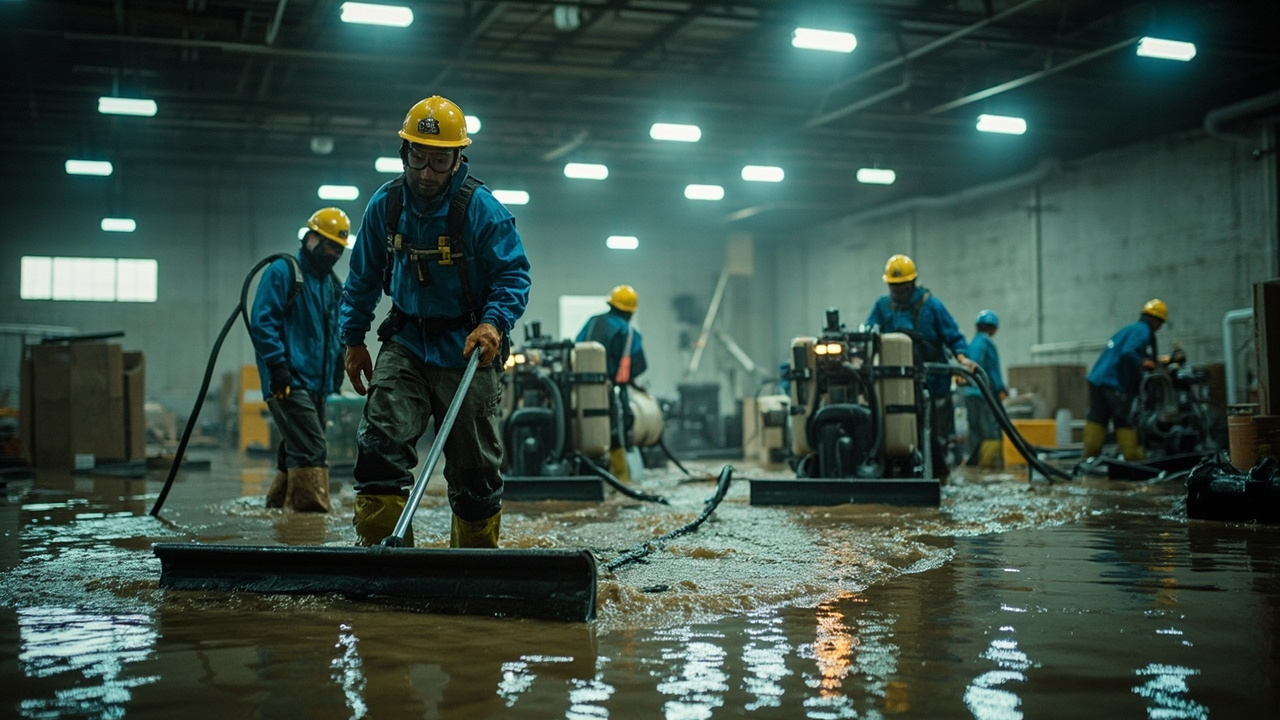
Seattle's industrial corridor sits on filled tidelands where groundwater levels fluctuate with Puget Sound tides. During king tide events combined with heavy rainfall, hydrostatic pressure forces water through foundation cracks and cold joints in warehouses throughout SoDo and Georgetown. This subsurface intrusion differs from surface flooding because water wicks up through concrete capillaries, saturating floor slabs from below. Standard extraction removes surface water but fails to address moisture trapped in the slab itself. Warehouse water mitigation in these zones requires vapor emission testing and potentially grinding the top layer of concrete to expose trapped moisture for drying. Facilities built before 1990 often lack vapor barriers, making them particularly vulnerable to prolonged drying times and recurring moisture problems.
Commercial flood remediation in King County must account for environmental regulations specific to the Duwamish Superfund site. Floodwater that contacts contaminated soil may introduce heavy metals or PCBs into warehouse spaces. Disposal of extraction water and contaminated materials requires coordination with the Washington Department of Ecology. Evergreen Water Damage Restoration Seattle maintains the permits and vendor relationships needed to handle hazardous waste disposal legally. Our crews understand local stormwater management ordinances and coordinate with Seattle Public Utilities when extraction discharge volumes exceed municipal limits. This local regulatory knowledge prevents compliance violations that could halt your operations or trigger fines during an already costly event.