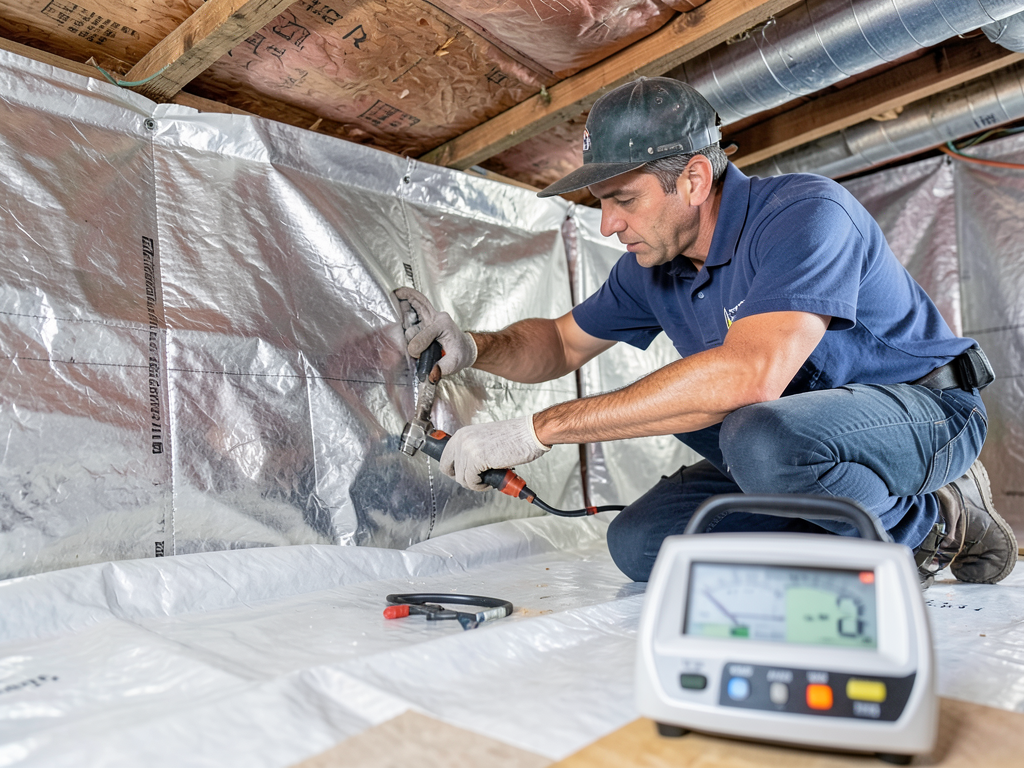



Seattle sits between Puget Sound and Lake Washington, surrounded by water bodies that keep humidity levels elevated throughout the year. This marine influence means attic spaces rarely experience the extreme heat and low humidity that naturally dries out moisture in continental climates. Winter temperatures hover in the 40s, creating minimal temperature differential between heated living spaces and unheated attics. This narrow gradient reduces natural convective drying that happens in colder climates where attic temperatures drop well below freezing. The result is persistent dampness that allows mold species adapted to cooler temperatures to thrive in attic environments. Attic water removal services in Seattle must account for this climate reality, using mechanical drying systems rather than relying on natural evaporation that simply does not occur fast enough in our humid marine air.
Seattle's building codes evolved significantly after recognizing moisture-related failures in structures built before modern ventilation standards. Homes constructed in neighborhoods like Queen Anne, Capitol Hill, and Ballard before 1980 often lack adequate attic ventilation by current Washington State standards. These older structures require specialized assessment during attic leak cleanup because retrofit ventilation solutions must work within existing roof designs that were never intended for modern airflow requirements. Local expertise matters because improperly modified attic ventilation can actually worsen moisture problems by creating negative pressure zones that pull humid air into spaces it should never reach. Evergreen Water Damage Restoration Seattle understands these regional building characteristics, applying solutions that work with your home's existing architecture rather than against it.