
menu

Crawl Space Cleanup & Encapsulation in Seattle – Protect Your Foundation from Pacific Northwest Moisture Damage

Comprehensive crawl space remediation and waterproofing services engineered specifically for Seattle's high water table, persistent rainfall, and elevated humidity conditions that threaten structural integrity year-round.

Slider Image 1
Slider Image 2
Slider Image 3
Slider Image 4
Slider Image 5
Slider Image 7
Slider Image 8
Slider Image 9
Slider Image 10
Slider Image 11

Why Seattle Crawl Spaces Fail Without Professional Encapsulation

Seattle receives an average of 150 days of measurable rain annually. That constant moisture doesn't just stay on the surface. It seeps into crawl spaces, saturates soil, and creates a chronic humidity problem that destroys structural wood, attracts pests, and compromises your home's foundation.

The problem starts with the region's geology. Much of Seattle sits on glacial till and marine clay deposits that retain water. When rain saturates the ground, hydrostatic pressure forces moisture upward into your crawl space. Without proper crawl space waterproofing, that moisture evaporates into the air under your home, raising relative humidity above 60 percent. At that threshold, mold colonizes floor joists and subfloor sheathing within 48 hours.

You'll notice the signs above ground first. Musty odors filtering through floor vents. Warped hardwood floors. Increased allergy symptoms. Cold spots in first-floor rooms during winter. These symptoms indicate advanced moisture infiltration that requires immediate crawl space remediation.

The Pacific Northwest climate creates a perfect storm for crawl space degradation. Cool temperatures prevent moisture from evaporating quickly. Dense vegetation surrounding homes blocks airflow. Poor drainage from compacted clay soil channels water directly toward foundations. Standard vented crawl spaces, common in older Seattle neighborhoods like Ballard and Fremont, actually worsen the problem by pulling humid outdoor air into the space during summer months.

Crawl space sealing services address the root cause by creating a controlled environment that blocks external moisture, manages internal humidity, and protects structural components from biological decay. Without intervention, you're allowing thousands of dollars in structural damage to accumulate silently beneath your feet.

Why Seattle Crawl Spaces Fail Without Professional Encapsulation
How Professional Crawl Space Encapsulation Stops Moisture at the Source

How Professional Crawl Space Encapsulation Stops Moisture at the Source

Effective crawl space restoration starts with moisture source elimination, not just symptom management. We address three critical moisture pathways: ground vapor transmission, external water intrusion, and ambient air infiltration.

First, we remediate existing contamination. This means removing damaged insulation, treating mold growth with antimicrobial solutions, and extracting standing water if present. We inspect all wooden structural members for rot and insect damage. Floor joists, sill plates, and rim boards showing more than 20 percent cross-sectional decay require reinforcement or replacement before encapsulation.

Next, we install perimeter drainage if your crawl space experiences active water intrusion. This typically involves trenching along foundation walls, installing perforated drain tile, and connecting to a sump pump system. For Seattle's clay-heavy soil, proper drainage is non-negotiable. Clay doesn't absorb water; it channels it. Without drainage intervention, water will pool against your foundation regardless of surface grading.

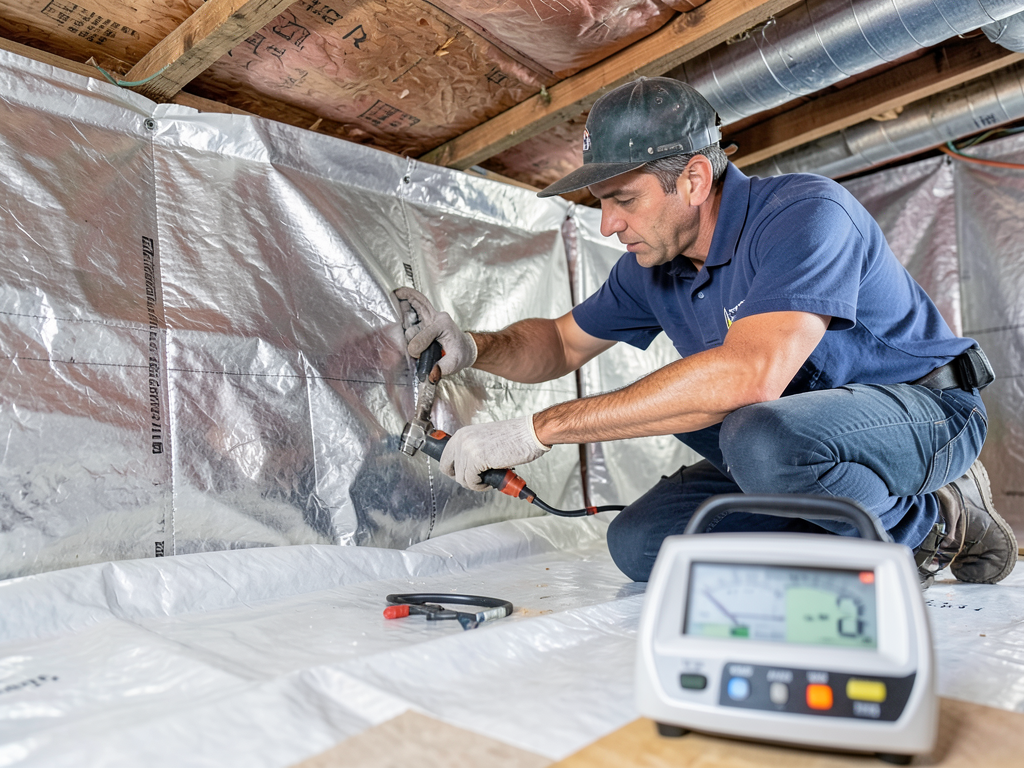
The core of crawl space vapor barrier installation uses reinforced polyethylene sheeting, minimum 12-mil thickness, with all seams overlapped and sealed with polyurethane mastic. We extend the barrier up foundation walls and mechanically fasten it to the rim board, creating a continuous moisture barrier. This stops 99 percent of ground moisture from entering the airspace.

We seal all foundation vents, rim board penetrations, and access doors using closed-cell spray foam. This converts your vented crawl space into a conditioned space, eliminating the humid outdoor air that vented crawl spaces introduce during cooling season.

Finally, we install a commercial-grade dehumidifier sized for your crawl space volume. This maintains relative humidity below 50 percent, preventing mold growth and wood rot even during Seattle's wettest months. The dehumidifier drains automatically to your sump pump or exterior drainage point.

What Happens During Your Crawl Space Encapsulation Project

Crawl Space Cleanup & Encapsulation in Seattle – Protect Your Foundation from Pacific Northwest Moisture Damage
01

Initial Inspection and Moisture Mapping

We conduct a comprehensive crawl space assessment using thermal imaging cameras and moisture meters to identify active water intrusion points, measure existing humidity levels, and document structural damage. This diagnostic phase determines which remediation steps your specific situation requires. We test soil moisture content, measure clearance heights, and photograph all findings for your review. You receive a detailed report explaining current conditions and the specific encapsulation approach your home needs.
02

Remediation and System Installation

Our crew removes contaminated materials, installs drainage systems if needed, and applies antimicrobial treatments to all affected surfaces. We then install the vapor barrier system, seal all penetrations, and set up mechanical dehumidification equipment. This phase involves precise grading to direct any future moisture toward drainage points, proper attachment of barrier materials to prevent movement, and integration of mechanical systems with your home's existing infrastructure. Every component receives multiple quality checks during installation to ensure long-term performance.
03

Testing and Performance Verification

After installation, we run all mechanical systems through full operational testing. The dehumidifier cycles on, drainage routing gets verified, and we confirm proper air sealing using pressure diagnostics. You receive documentation of final humidity readings, photographs of completed work, and operating instructions for your dehumidification system. We schedule a 30-day follow-up inspection to verify humidity levels remain stable and address any questions about system operation. Your encapsulation system includes monitoring recommendations to catch potential issues early.

Why Seattle Homeowners Choose Evergreen Water Damage Restoration for Crawl Space Services

Pacific Northwest crawl space work demands specific expertise that generic contractors don't possess. You need a team that understands how Seattle's marine climate, soil composition, and building code requirements intersect.

We've encapsulated crawl spaces in every Seattle neighborhood, from the steep hillside homes in Queen Anne where drainage design becomes critical, to the older Craftsman bungalows in Columbia City where foundation access requires creative problem-solving. That geographic experience matters because each microclimate and soil type presents unique challenges.

Seattle's International Residential Code amendments require specific vapor barrier standards and ventilation approaches that differ from national code. We stay current with Seattle Department of Construction and Inspections requirements, ensuring your encapsulation project meets all local standards. This protects your investment and prevents issues during future home sales or refinancing.

Our crews understand the biological threats specific to this region. Subterranean termites thrive in moisture-rich environments. So does the specific Stachybotrys mold species common to Western Washington crawl spaces. We recognize these threats during initial inspection and address them with appropriate treatment protocols before encapsulation.

You also need a restoration company familiar with Seattle's water table fluctuations. The Puget Sound lowlands experience seasonal groundwater rise that can overwhelm inadequate drainage systems. We design perimeter drainage with sufficient capacity for wet-season peaks, not just average conditions. That engineering approach prevents system failure when you need protection most.

We work directly with Seattle-area structural engineers when floor systems show significant decay. These relationships allow us to coordinate reinforcement work seamlessly, keeping your project on schedule while ensuring structural repairs meet load-bearing requirements.

Local material sourcing matters too. Seattle's humidity requires antimicrobial treatments formulated for sustained moisture exposure. We use encapsulation materials rated for marine environments, not the standard products that fail prematurely in high-humidity conditions.

What to Expect from Your Crawl Space Encapsulation Project

Project Timeline and Scheduling

Most Seattle crawl space encapsulation projects take three to five days, depending on space size and existing damage severity. We schedule work during dry weather windows when possible to prevent introducing additional moisture during the open construction phase. Emergency remediation for active flooding or sewage backup begins within four hours of your call. Standard encapsulation projects typically start within one week of contract signing. We provide daily progress updates and protect your landscaping during material access. All debris removal happens the same day work completes, leaving your property clean.

Comprehensive Pre-Work Assessment

Your encapsulation project begins with a 90-minute crawl space inspection. We measure ambient humidity, test soil moisture content, inspect all structural wood members, photograph existing conditions, and identify active water intrusion sources. You receive a written report with thermal images showing temperature differentials that indicate moisture problems. This assessment includes a detailed scope of work explaining which remediation steps your situation requires and why. We explain the difference between standard encapsulation and scenarios requiring additional drainage work or structural repairs. This transparency eliminates surprise costs and helps you understand exactly what you're purchasing.

Long-Term Performance Results

Properly installed encapsulation systems maintain crawl space humidity below 50 percent year-round, even during Seattle's wettest winter months. You'll notice improved indoor air quality within two weeks as musty odors dissipate. Heating costs typically drop 10 to 15 percent because encapsulation reduces heat loss through your floor system. The vapor barrier protects structural wood from moisture damage indefinitely when maintained correctly. Your HVAC system runs more efficiently because it's not working against humid air infiltration from below. Floor temperatures stabilize, eliminating cold spots in first-floor rooms. These improvements protect your home's resale value and prevent exponential repair costs down the road.

System Maintenance and Monitoring

Your dehumidification system requires minimal maintenance. Empty the collection reservoir monthly if not plumbed to automatic drainage. Replace the air filter every six months. We recommend annual crawl space inspections to verify vapor barrier integrity and check for new moisture sources. Most encapsulation systems operate trouble-free for 20-plus years when installed correctly. We provide written operating instructions and manufacturer contact information for all mechanical components. You receive our direct line for any post-installation questions. Optional service agreements include annual humidity monitoring and dehumidifier maintenance, giving you complete peace of mind that your investment remains protected.

Frequently Asked Questions

You Have Questions,
We Have Answers

What is the average cost to encapsulate a crawl space? +

Encapsulation costs in Seattle typically range from $5,000 to $15,000, depending on crawl space size, moisture severity, and required repairs. Factors include vapor barrier thickness, drainage installation, dehumidifier needs, and structural work. Seattle's high rainfall and moisture levels often require more robust moisture management systems than drier climates. Homes in neighborhoods like Ballard or Queen Anne with older foundations may need additional prep work. Costs also vary based on accessibility and existing damage from Seattle's damp conditions. Most contractors provide free inspections to assess your specific situation and provide accurate pricing.

How much does it cost to have a crawl space cleaned? +

Crawl space cleaning in Seattle runs $1,500 to $4,000 on average. This service includes debris removal, mold remediation, rodent waste cleanup, and old insulation disposal. Seattle's moisture-rich climate creates ideal conditions for mold growth and pest infiltration, which can increase cleanup complexity. Homes near Green Lake or along Puget Sound often face more severe moisture issues. The price depends on contamination level, space size, and whether structural repairs are needed. Cleaning addresses health hazards like mold spores and animal droppings while preparing the space for proper encapsulation or insulation upgrades.

Is it worth it to encapsulate a crawlspace? +

Yes. Encapsulation is worth it in Seattle's wet climate. It prevents moisture damage, reduces mold risk, improves indoor air quality, and lowers energy bills by creating a controlled environment. Seattle receives over 150 days of rain annually, making crawl spaces vulnerable to standing water and humidity. Encapsulation protects your foundation, prevents wood rot, and stops moisture from rising into living spaces. It also deters pests attracted to damp environments. Homes in West Seattle or Capitol Hill with older foundations see significant benefits. The investment typically pays for itself through energy savings and prevented structural damage.

What does crawl space encapsulation include? +

Crawl space encapsulation includes installing a heavy-duty vapor barrier across floors and walls, sealing all vents and openings, adding insulation where needed, installing a dehumidifier, and ensuring proper drainage. In Seattle, this often means addressing standing water issues first through sump pump installation or French drain systems. The vapor barrier prevents ground moisture from entering your home. Sealed vents stop humid outdoor air infiltration, critical during Seattle's rainy months. Some projects include structural repairs to joists or posts damaged by moisture. The goal is creating a dry, controlled environment that protects your foundation and improves home efficiency.

Will insurance cover crawl space encapsulation? +

Typically no. Most homeowners insurance policies exclude preventive maintenance and upgrades like encapsulation. However, if water damage resulted from a covered peril such as a burst pipe or sudden appliance failure, cleanup and related repairs might be covered. Document all damage with photos and file claims promptly. In Seattle, gradual moisture intrusion from rain or groundwater is considered maintenance, not a covered event. Some policies cover mold remediation if it stems from covered water damage. Review your policy carefully and consult your agent. Flood insurance through NFIP also excludes encapsulation unless tied to a specific flood event.

How much does it cost to insulate a 1500 square-foot house crawl space? +

Insulating a 1,500 square foot crawl space in Seattle costs $2,000 to $6,000. This includes spray foam or rigid foam board insulation applied to walls or floor joists. Seattle's mild winters and damp conditions make wall insulation more effective than floor insulation, as it creates a conditioned crawl space. Costs vary based on insulation type, R-value requirements, and existing moisture problems that need resolution first. Homes in Greenwood or Ravenna with uninsulated crawl spaces see immediate comfort improvements and lower heating bills. Proper moisture control through vapor barriers is essential before insulating to prevent trapped moisture and mold growth.

How Seattle's Year-Round Humidity Makes Crawl Space Encapsulation Essential

Seattle's marine climate creates unique crawl space challenges not found in drier regions. Average relative humidity hovers between 70 and 80 percent for eight months annually. That persistent atmospheric moisture combines with heavy rainfall and poor soil drainage to create constant hydrostatic pressure against foundation walls. The temperature rarely drops below freezing, which means biological organisms remain active year-round. Mold doesn't go dormant here in winter like it does in continental climates. Wood-destroying fungi continue colonizing structural members throughout all seasons. This makes crawl space waterproofing a necessity, not an optional upgrade, for Seattle homeowners who want to protect their foundation investment.

Evergreen Water Damage Restoration Seattle has worked in every neighborhood from West Seattle's clay hillsides to the alluvial soils near Green Lake. We understand how Seattle's specific building stock, from 1900s balloon-frame houses to modern construction, requires tailored encapsulation approaches. Our familiarity with local permit requirements speeds project approval and ensures compliance with Seattle's updated energy codes that now encourage conditioned crawl spaces over traditional vented designs. When you work with a team that specializes in this region's climate challenges, you get solutions engineered for long-term performance in exactly these conditions.


Water Damage Restoration Services in The Seattle Area

Evergreen proudly serves Seattle and its surrounding communities with professional water damage restoration you can count on. Whether you’re downtown, in the suburbs, or nearby, our responsive team is just a call away. View our service area on the map to see if we’re available in your neighborhood. We’re committed to helping local homeowners and businesses recover fast—so if you need help, we’ll come to you. Use the map below to locate our base or service radius and reach out anytime.

Address:
Evergreen Water Damage Restoration Seattle, 600 Stewart St, Seattle, WA, 98101

Additional Services We Offer

Our news updates

Latest Articles & News from The Blogs

How to Handle a Flooded Storage Unit in SODO Without Losing Your Belongings Finding your storage unit under inches of…

How to Handle a Flooded Storage Unit in SODO Without Losing Your Belongings

How to Handle a Flooded Storage Unit in SODO Without Losing Your Belongings Finding your storage unit under inches of…

Why Your Sunset Hill Home Needs Immediate Restoration After a Frozen Outdoor Faucet Bursts

Why Your Sunset Hill Home Needs Immediate Restoration After a Frozen Outdoor Faucet Bursts A frozen outdoor faucet in Sunset…

Restoring Retail Spaces in Southcenter After a Mall Pipe Burst

Restoring Retail Spaces in Southcenter After a Mall Pipe Burst A burst pipe in a retail mall can shut down…

Contact Us

Schedule your comprehensive crawl space inspection today. Call Evergreen Water Damage Restoration Seattle at (564) 220-5525 to speak with a moisture control specialist. We'll assess your situation, explain your options, and provide a detailed proposal within 48 hours.