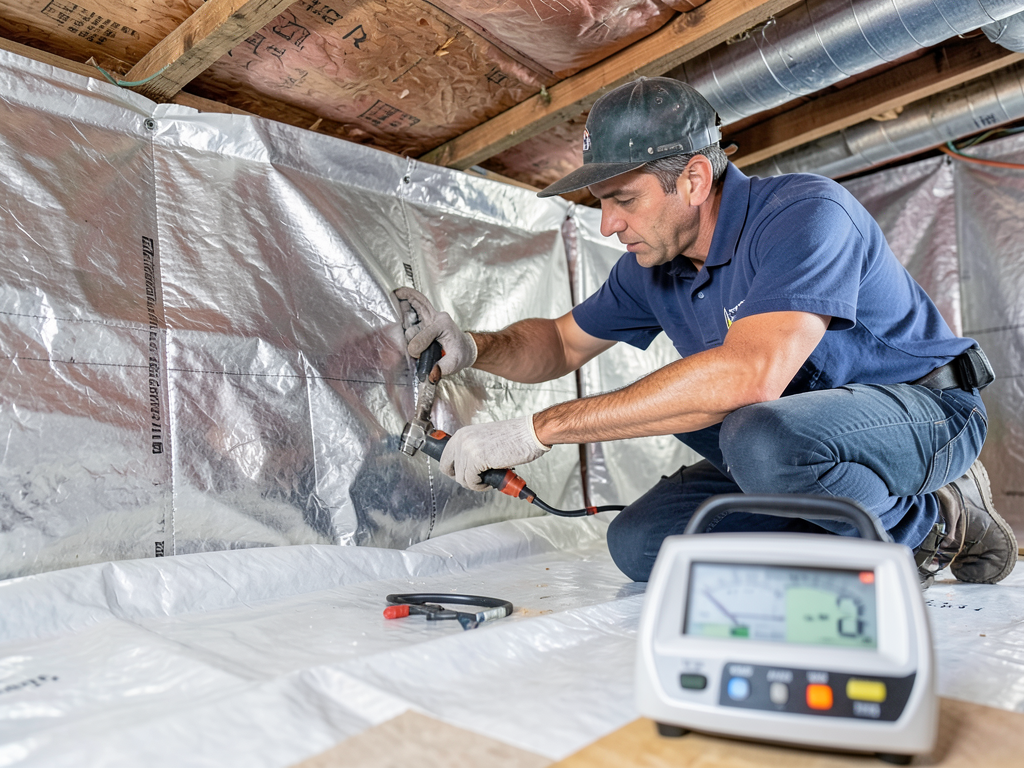



Seattle's proximity to Puget Sound keeps relative humidity above 70 percent for most of the year, and temperature inversions trap moisture against hillside neighborhoods like West Seattle and Beacon Hill. Homes built before 1980 often lack continuous vapor barriers in crawl spaces and attics, allowing ground moisture and condensation to saturate framing lumber. Single-pane windows common in older construction create thermal bridging, where warm indoor air condenses on cold glass and drips onto sills and walls. This chronic moisture exposure feeds mold colonies in hidden spaces, where growth can persist for years before visible signs appear indoors.
Washington State mandates disclosure of known mold issues during real estate transactions, and Seattle buyers increasingly request mold inspections during due diligence. Professional mold abatement performed to IICRC S520 standards provides documentation that protects property value and satisfies disclosure requirements. Local building departments may require permits for extensive remediation involving structural demolition, and proper documentation ensures compliance. Choosing a local team familiar with Seattle's building codes, typical construction methods, and climate challenges ensures the work meets regulatory standards and prevents costly rework or failed inspections.