
menu

Water Damage Restoration in Seattle | Rapid Response for Pacific Northwest Moisture Emergencies

Expert water damage remediation built for Seattle's unique climate challenges, from basement flooding to storm damage, with 24/7 emergency response across King County and comprehensive insurance coordination.

Slider Image 1
Slider Image 2
Slider Image 3
Slider Image 4
Slider Image 5
Slider Image 7
Slider Image 8
Slider Image 9
Slider Image 10
Slider Image 11

Why Seattle Homes and Businesses Face Constant Water Damage Risk

Seattle receives an average of 37 inches of rainfall annually, and that persistent moisture creates constant water intrusion threats for property owners across Ballard, Capitol Hill, West Seattle, and surrounding neighborhoods. The combination of aging infrastructure in older Seattle homes, saturated soil from October through May, and the prevalence of crawl spaces in Pacific Northwest construction means water damage mitigation is not a question of if, but when.

When heavy rainfall overwhelms aging drainage systems in neighborhoods like Queen Anne or Fremont, basements flood within hours. When roof valleys clog with moss and debris (a Seattle-specific problem due to our wet climate and tree canopy), water backs up under shingles and seeps into attics. When pipes freeze during rare but damaging cold snaps, the subsequent thaw causes burst pipe flooding that destroys drywall, flooring, and insulation.

The real danger is not just the visible water. Seattle's high humidity creates perfect conditions for mold growth within 24 to 48 hours of water exposure. Wood rot accelerates in our damp climate. Secondary damage from delayed water damage cleanup costs three to five times more than immediate professional intervention.

Water damage repair requires speed, specialized extraction equipment, and knowledge of how moisture behaves in Seattle's specific construction types. From historic Craftsman homes with plaster walls to modern condos with concrete subfloors, each structure responds differently to water intrusion. Professional water removal services stop the spread, extract hidden moisture, and prevent the cascade of problems that follow untreated water damage.

Why Seattle Homes and Businesses Face Constant Water Damage Risk
How Professional Water Damage Remediation Actually Works

How Professional Water Damage Remediation Actually Works

Effective water damage restoration follows a systematic, science-based protocol that addresses both visible water and hidden moisture. The process begins with emergency water extraction using truck-mounted pumps and portable extractors that remove standing water from carpets, padding, and subfloors. This is not a shop-vac job. Industrial extraction equipment removes 95% of water in the first pass, which is critical for preventing secondary damage.

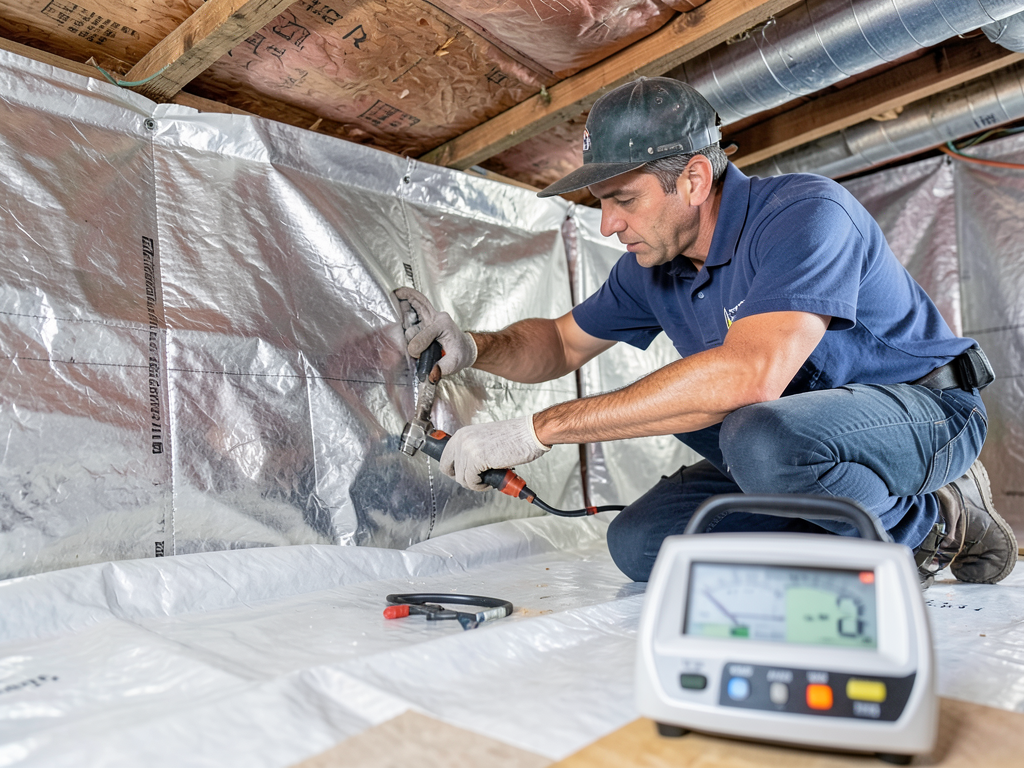
After extraction, technicians use thermal imaging cameras and moisture meters to map hidden water migration. Water travels through wall cavities, under baseboards, and into structural framing. In Seattle homes, water often wicks up drywall and migrates horizontally through insulation. Without detection equipment, this hidden moisture creates mold colonies and wood rot invisible until major damage occurs.

Structural drying comes next. Commercial-grade air movers create rapid air circulation across wet surfaces, while refrigerant dehumidifiers pull moisture from the air. The goal is to achieve equilibrium moisture content in all materials, measured using psychrometric calculations that account for temperature and humidity. In Seattle's naturally humid environment, you cannot just open windows and hope. You need controlled drying that brings materials below 15% moisture content.

Antimicrobial treatment prevents mold growth during the drying process. HEPA air scrubbers capture airborne mold spores. Once materials reach acceptable moisture levels, damaged components get replaced or restored. Throughout the process, daily moisture readings and photographic documentation support insurance claims and verify thorough remediation. This is engineering, not guesswork.

What Happens When You Call for Emergency Water Damage Help

Water Damage Restoration in Seattle | Rapid Response for Pacific Northwest Moisture Emergencies
01

Immediate Emergency Response

You call our emergency line and reach a live person, not a voicemail. We dispatch a crew to your Seattle property within 60 to 90 minutes. The technician arrives with extraction equipment and moisture detection tools. Before any work begins, we assess the damage category, identify the water source, document conditions with photos and moisture readings, and explain the full scope of required work.
02

Water Extraction and Drying

Technicians extract standing water, remove damaged materials that cannot be saved, and deploy industrial drying equipment strategically throughout the affected areas. We place air movers to create optimal airflow patterns and position dehumidifiers based on the volume of space and moisture load. We monitor drying progress daily with moisture meters and thermal imaging, adjusting equipment placement as needed until all materials reach acceptable moisture content.
03

Restoration and Final Verification

Once drying is complete and verified through moisture testing, we remove equipment and begin restoration work. This includes replacing drywall, repainting, reinstalling baseboards, and replacing flooring as needed. We provide a final moisture report that documents pre-loss moisture levels and post-remediation readings. You receive complete documentation for your insurance claim, including photos, equipment logs, and detailed invoicing that matches industry pricing standards.

Why Seattle Property Owners Choose Evergreen Water Damage Restoration Seattle

Seattle's specific climate and construction challenges require local expertise that national franchises simply do not possess. We understand how water behaves in crawl spaces common to 1920s Craftsman homes in Wallingford. We know that many Seattle basements are partially below grade with inadequate drainage, making them vulnerable during heavy rainfall. We recognize that moss accumulation on north-facing roofs creates seasonal water intrusion points that require specific inspection protocols.

Our technicians train on Seattle-specific moisture problems. We know that vapor barriers in crawl spaces often fail due to ground saturation. We understand that older Seattle homes lack adequate attic ventilation, creating condensation problems that mimic roof leaks. We recognize the difference between clean water from a supply line failure, gray water from appliance overflow, and black water from sewer backup, because each requires different safety protocols and remediation approaches.

We work directly with Seattle-area insurance adjusters daily. We understand what documentation King County insurers require. We know current labor and material rates for the Seattle market, so estimates align with adjuster expectations. This eliminates the back-and-forth delays that extend claim resolution and leave you living in a construction zone.

Local response time matters during water emergencies. We dispatch from Seattle, not a regional hub in Tacoma or Everett. We stock equipment locally. We maintain relationships with Seattle building inspectors and understand local permit requirements for reconstruction work. When you need emergency water damage cleanup at 2 AM during a winter storm, we arrive quickly because we are already in your neighborhood.

What You Can Expect During the Water Damage Restoration Process

24/7 Emergency Availability

Water damage does not wait for business hours. Burst pipes occur at 3 AM, appliances fail during holidays, and storms cause flooding on weekends. We provide true 24/7 emergency response every day of the year. You call, you speak to a person, and we dispatch a crew immediately. During business hours, we typically arrive within 60 minutes. Late night and weekend response averages 90 minutes across the greater Seattle metro area. We do not make you wait until morning while water continues destroying your property.

Comprehensive Damage Assessment

The initial assessment determines everything that follows. Our technicians use thermal imaging cameras to detect hidden moisture behind walls and under flooring. We use penetrating and non-penetrating moisture meters to measure water content in wood, drywall, and concrete. We identify the water source, classify the contamination level, and calculate the total affected area. You receive a written scope of work that explains what needs to happen, why it is necessary, and what the timeline looks like. No surprises, no upselling services you do not need.

Complete Property Restoration

Water damage remediation is only the first phase. Complete restoration means your property returns to pre-loss condition. We handle everything from emergency water extraction through final reconstruction. We replace damaged drywall with proper moisture-resistant materials in bathrooms and basements. We match existing paint colors and textures. We reinstall baseboards and trim. We replace flooring with materials that match your existing surfaces. You work with one company from emergency through completion, not multiple contractors who point fingers when problems arise.

Insurance Claim Support

We document everything for your insurance claim. You receive detailed photo documentation showing damage progression and remediation steps. We provide moisture logs that prove materials were dried to industry standards. We itemize all labor and materials using Xactimate pricing software that insurance adjusters recognize and accept. We communicate directly with your adjuster if you authorize that contact. We do not inflate estimates or add unnecessary services, which protects your claim from denial and keeps your premiums stable. Our job is complete, accurate documentation that supports fair claim resolution.

Frequently Asked Questions

You Have Questions,
We Have Answers

What does water damage restoration include? +

Water damage restoration includes water extraction, structural drying, dehumidification, and repair work. Technicians remove standing water using pumps and extractors, then deploy air movers and dehumidifiers to dry affected materials. This process prevents secondary damage like warping, swelling, and mold growth. Restoration also includes antimicrobial treatments, odor removal, and rebuilding damaged areas such as drywall, flooring, and insulation. In Seattle, where high humidity and frequent rain create ideal conditions for moisture problems, professionals monitor moisture levels in walls and subfloors to confirm complete drying before reconstruction begins.

How much will it cost to repair water damage? +

Water damage repair costs vary based on the extent of damage, affected materials, and water category. Minor leaks affecting a single room may cost a few hundred dollars, while extensive flooding requiring structural drying, mold remediation, and reconstruction can reach several thousand. Factors include water source (clean, gray, or black water), square footage affected, flooring type, and duration of exposure. Seattle's older housing stock, particularly in neighborhoods like Queen Anne and Capitol Hill, may require additional work on vintage materials. Get a detailed inspection and written estimate before work begins to understand your specific situation.

Can water damage be repaired? +

Yes, water damage can be repaired when addressed quickly. The key is acting within 24 to 48 hours before mold growth and structural deterioration set in. Professional restoration involves extracting water, drying all affected materials, treating for microbial growth, and repairing or replacing damaged components. Seattle's mild, damp climate means materials stay wet longer than in drier regions, making professional drying equipment necessary. Hardwood floors, drywall, and insulation can often be saved if dried properly. Porous materials like carpet padding and heavily saturated drywall usually require replacement to prevent long-term issues.

Is water damage restoration worth it? +

Water damage restoration is worth it when you consider the alternative. Unaddressed water damage leads to mold growth, structural rot, decreased property value, and health risks. Professional restoration stops damage progression, protects your investment, and helps with insurance claims by providing proper documentation. In Seattle, where moisture-related problems are common due to year-round rainfall and high humidity, quick action prevents minor issues from becoming major renovations. The cost of restoration is typically far less than the compounding damage that occurs when water sits in walls, subfloors, and insulation for weeks or months.

How likely is mold after water damage? +

Mold growth is highly likely after water damage if moisture remains for 24 to 72 hours. Seattle's climate creates perfect conditions for mold, with humidity levels that rarely dip below 60 percent and frequent rain events. Mold spores are always present in the air. They just need moisture and organic material like drywall or wood to colonize. Hidden moisture in wall cavities, under flooring, or in crawl spaces poses the biggest risk. Professional restoration includes moisture mapping with thermal imaging and meters to find all wet areas, plus antimicrobial treatments to prevent mold from taking hold.

Is water restoration covered by insurance? +

Water damage restoration is typically covered by homeowners insurance when the damage results from a sudden, accidental event like a burst pipe, appliance malfunction, or roof leak during a storm. Coverage depends on your policy terms and the water source. Seattle homeowners should review their policies for exclusions related to flooding, which requires separate flood insurance, and gradual damage from neglected maintenance. Most standard policies cover clean water damage from plumbing failures. Document everything with photos, keep all receipts, and notify your insurer immediately to improve claim approval chances.

Will insurance pay out for water damage? +

Insurance pays for water damage when the cause is covered under your policy and you file a claim promptly. Sudden events like burst pipes, water heater failures, or storm-driven rain through damaged roofs are usually covered. Gradual damage from slow leaks, poor maintenance, or ground flooding typically is not. Seattle homeowners face unique challenges with older homes and persistent rainfall. Your adjuster will inspect the damage, review the cause, and determine coverage. Work with a restoration company experienced in insurance documentation to support your claim with proper moisture readings, photos, and detailed estimates.

How much does it cost to remove moisture from walls? +

Moisture removal from walls depends on the extent of saturation and wall construction. Professional drying using air movers, dehumidifiers, and specialized equipment typically runs from a few hundred to over a thousand dollars for extensive damage. Seattle's rainy climate means moisture can penetrate deep into wall cavities, especially in older homes with poor vapor barriers. Technicians often need to remove baseboards or drill small inspection holes to promote airflow behind walls. Costs increase if drywall must be removed or if mold treatment is needed. Proper drying prevents future problems and is less expensive than replacing entire wall sections later.

Why is water damage so expensive? +

Water damage restoration is expensive because it requires specialized equipment, trained technicians, and extensive labor. Industrial dehumidifiers, air movers, moisture meters, and thermal imaging cameras are costly to operate. The process involves 24-hour monitoring, multiple site visits, antimicrobial treatments, and reconstruction work. In Seattle, high humidity extends drying times, increasing equipment rental and labor costs. Black water contamination from sewage or flooding requires protective gear and disposal fees. Insurance claims also involve detailed documentation. The alternative, leaving water damage untreated, costs far more through structural failure, mold remediation, and decreased property value.

What not to do after water damage? +

Do not wait to call professionals. Do not use household fans alone, which spread moisture and mold spores without proper drying. Do not ignore standing water or assume it will dry on its own, especially in Seattle's humid climate. Do not use heat sources like space heaters, which can warp materials and create fire hazards. Do not leave wet materials in place beyond 48 hours. Do not skip documentation with photos and notes for insurance. Do not attempt electrical work in wet areas. Quick, professional intervention prevents mold growth, structural damage, and claim denials that turn a manageable situation into a costly disaster.

How Seattle's Rainfall and Soil Conditions Accelerate Water Damage

Seattle sits on glacial till and marine clay soils that drain poorly during our extended wet season. When soil becomes saturated from October through April, hydrostatic pressure forces groundwater through foundation cracks and overwhelms perimeter drains. Neighborhoods built on hillsides like Queen Anne and Capitol Hill experience runoff that pools against foundations. Homes in low-lying areas near Green Lake, Lake Washington, and the Duwamish waterway face seasonal groundwater intrusion. This is not a flaw in your home. This is geology meeting climate, and it requires proactive drainage solutions combined with rapid response when water does enter your structure.

Effective water damage restoration in Seattle requires understanding local construction methods and environmental factors. Many Seattle homes were built before modern waterproofing standards existed. Crawl spaces lack vapor barriers, basement walls were parged rather than properly waterproofed, and foundation drains were undersized for current rainfall patterns. We work with these older systems daily. We understand what upgrades make sense during restoration and what represents unnecessary expense. Our crews know Seattle building codes, work with local inspectors regularly, and understand permit requirements for structural repairs following water damage.


Water Damage Restoration Services in The Seattle Area

Evergreen proudly serves Seattle and its surrounding communities with professional water damage restoration you can count on. Whether you’re downtown, in the suburbs, or nearby, our responsive team is just a call away. View our service area on the map to see if we’re available in your neighborhood. We’re committed to helping local homeowners and businesses recover fast—so if you need help, we’ll come to you. Use the map below to locate our base or service radius and reach out anytime.

Address:
Evergreen Water Damage Restoration Seattle, 600 Stewart St, Seattle, WA, 98101

Additional Services We Offer

Our news updates

Latest Articles & News from The Blogs

How to Stop Your Lake Forest Park Deck from Leaking into the Rooms Below If water from your deck seeps…

How to Stop Your Lake Forest Park Deck from Leaking into the Rooms Below

How to Stop Your Lake Forest Park Deck from Leaking into the Rooms Below If water from your deck seeps…

Why Your West Seattle Retaining Wall Could Be the Cause of Your Wet Basement

Why Your West Seattle Retaining Wall Could Be the Cause of Your Wet Basement \n\n West Seattle’s dramatic topography of…

Fixing Moisture Problems in Your Mukilteo Home After a Heavy Fog Season

Fixing Moisture Problems in Your Mukilteo Home After a Heavy Fog Season Living near Puget Sound means dealing with persistent…

Contact Us

Every hour you wait, water migrates deeper into your structure. Mold begins growing within 24 hours. Call Evergreen Water Damage Restoration Seattle now at (564) 220-5525 for immediate dispatch. We answer 24/7, arrive fast, and stop the damage before it spreads.