
menu

Burst Pipe Water Damage in Seattle – 24/7 Emergency Response Protects Your Property Fast

When a ruptured pipe floods your Seattle home or business, minutes matter. Our certified technicians dispatch immediately to stop water damage, extract standing water, and begin structural drying before mold takes hold.

Slider Image 1
Slider Image 2
Slider Image 3
Slider Image 4
Slider Image 5
Slider Image 7
Slider Image 8
Slider Image 9
Slider Image 10
Slider Image 11

Why Burst Pipes Cause Catastrophic Damage in Seattle Properties

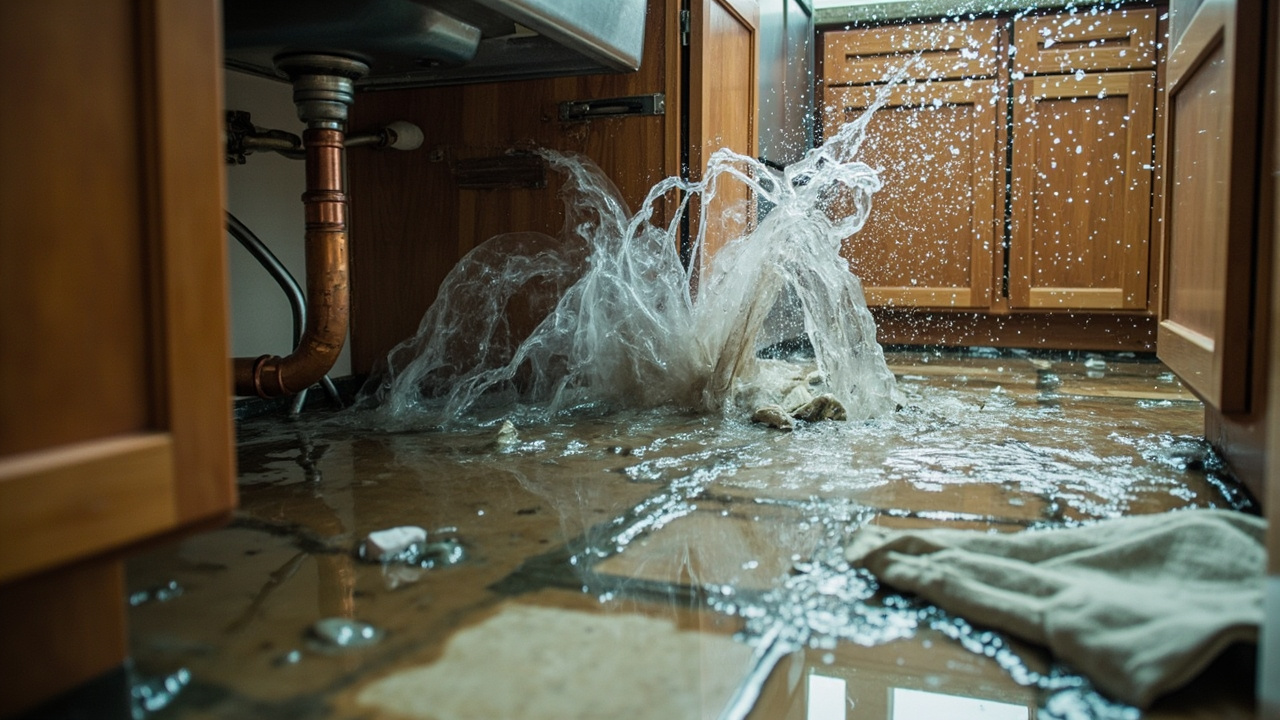
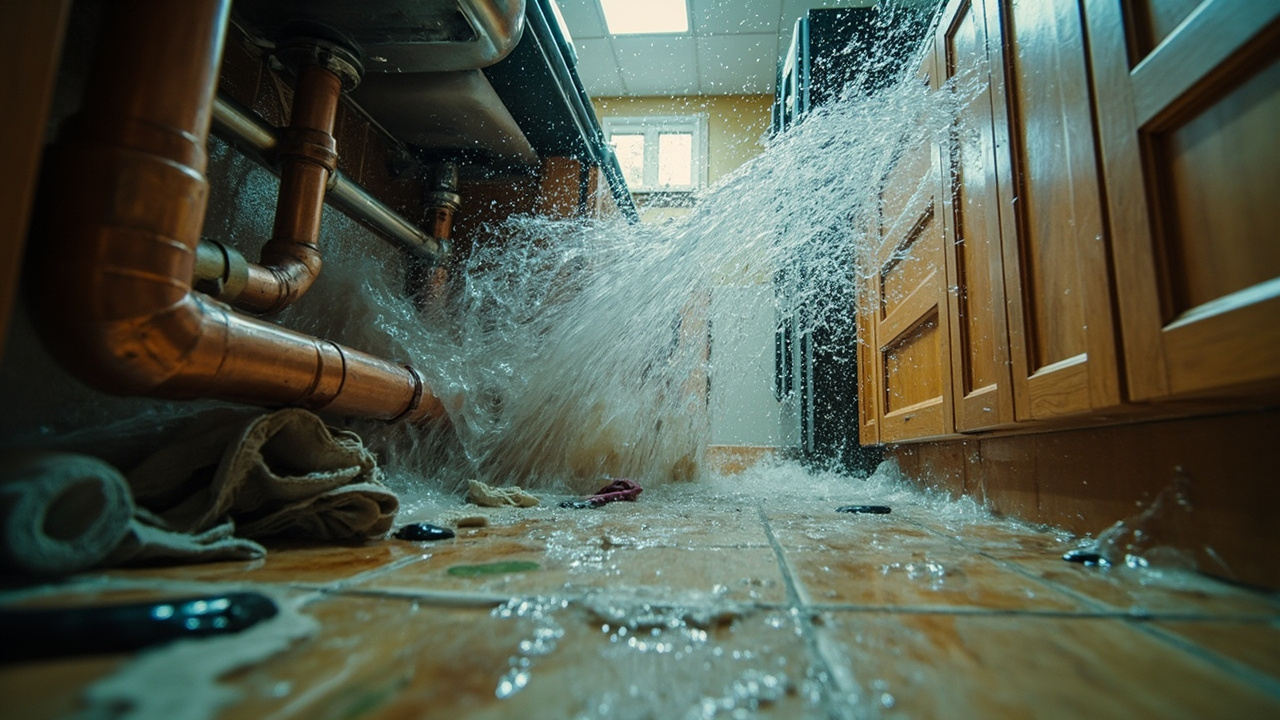
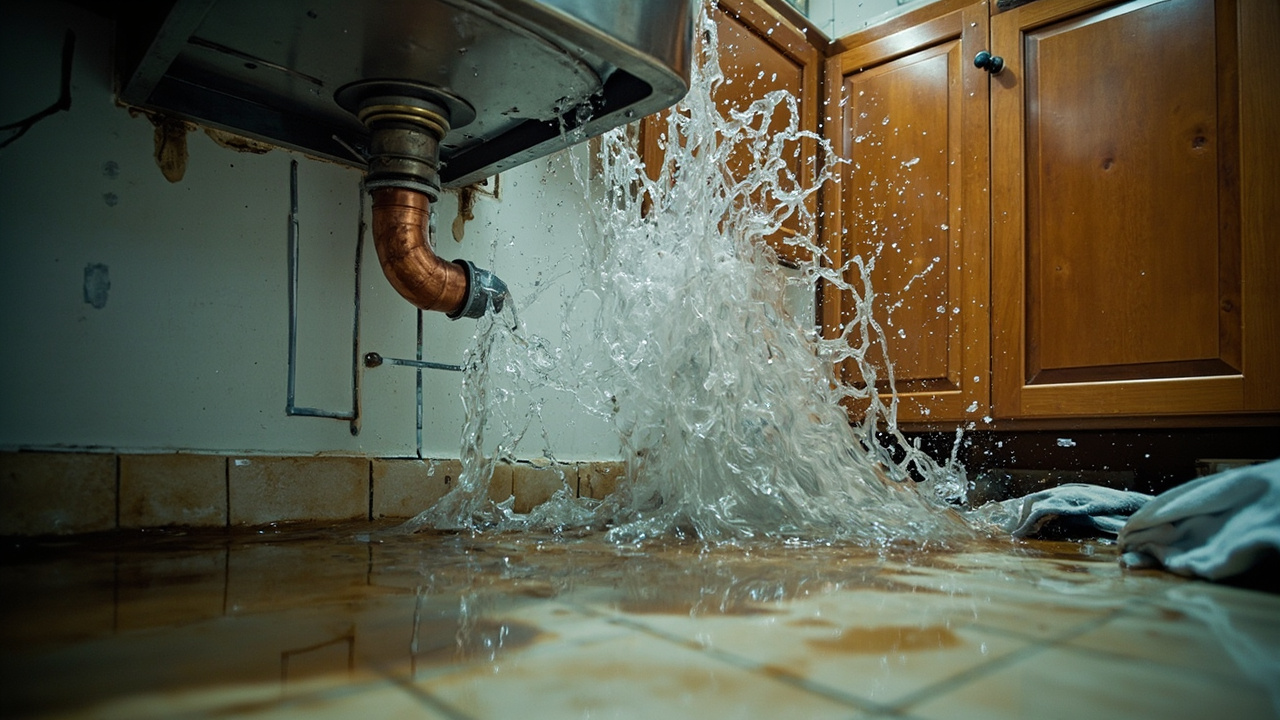
A burst pipe releases hundreds of gallons per hour into your walls, floors, and foundation. In Seattle, where older homes in Capitol Hill and Queen Anne feature original galvanized plumbing from the 1920s, corrosion and freeze events create sudden ruptures that flood basements and crawl spaces within minutes.

Seattle's maritime climate creates unique risks. Winter temperatures drop just low enough to freeze exposed pipes in unheated attics or exterior walls, then thaw rapidly. This freeze-thaw cycle stresses copper and PEX connections. When a pipe finally gives way, water spreads through floor joists and saturates drywall before you notice the damage.

Broken pipe water damage affects more than visible surfaces. Water migrates behind baseboards, under hardwood floors, and into insulation. Within 48 hours, mold colonizes damp cellulose materials. The longer water sits, the more expensive the restoration becomes.

Ruptured pipe water damage from a failed supply line can compromise structural framing if not addressed immediately. Waterlogged studs lose load-bearing capacity. Subfloor delamination creates safety hazards. Burst pipe flooding in multi-story buildings spreads vertically, damaging units below the source.

Seattle homes built on clay soil face additional complications. When water saturates the ground around your foundation, hydrostatic pressure increases. This forces groundwater through basement walls, compounding the damage from the original pipe failure. Quick extraction and drying prevent secondary foundation issues.

You need professional burst pipe water cleanup within hours, not days. Delayed response turns a plumbing emergency into a multi-system disaster requiring extensive demolition and reconstruction.

Why Burst Pipes Cause Catastrophic Damage in Seattle Properties
How We Stop Water Damage and Restore Structural Integrity

How We Stop Water Damage and Restore Structural Integrity

Our technicians arrive with commercial extraction equipment, not shop vacuums. We deploy truck-mounted pumps that remove standing water at 200 gallons per minute. This aggressive extraction prevents water from migrating deeper into your structure.

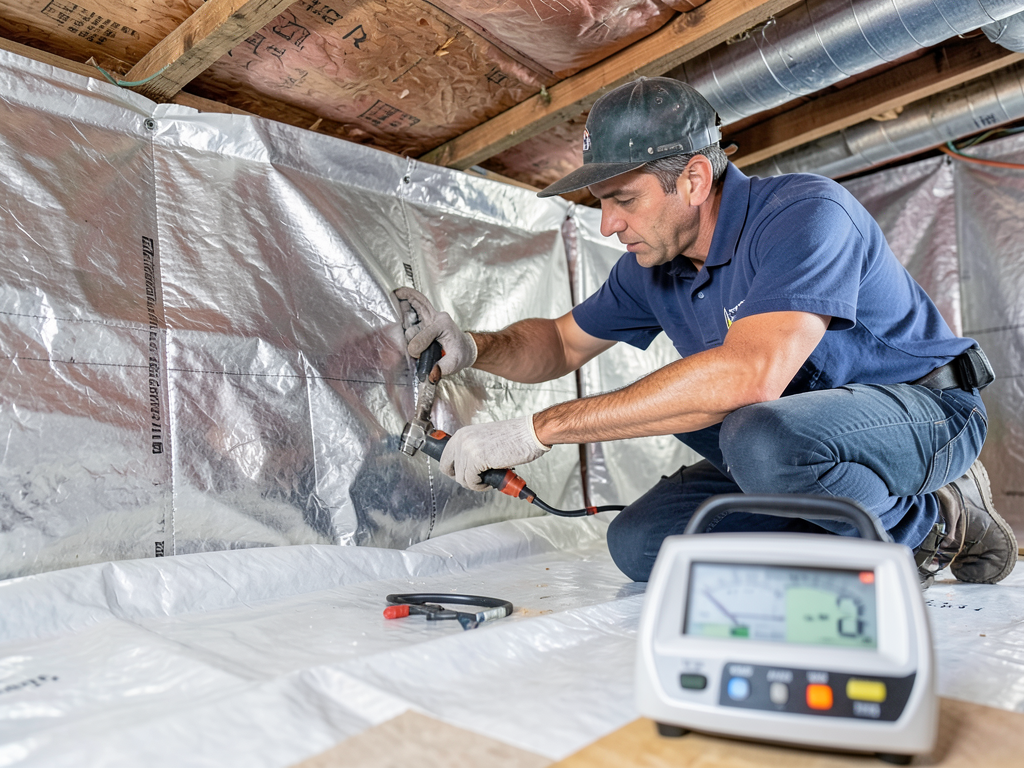
After extraction, we measure moisture content in all affected materials using penetrating and non-invasive meters. Drywall should read below 15 percent moisture content. Wood framing must drop below 19 percent to prevent decay. These specific thresholds guide our drying strategy.

We position low-grain refrigerant (LGR) dehumidifiers to pull moisture from the air while axial air movers create airflow across wet surfaces. This combination accelerates evaporation. We do not simply point fans at wet spots. We calculate grain depression and adjust equipment placement to achieve optimal drying conditions.

Thermal imaging reveals hidden moisture in wall cavities and under flooring. We document moisture levels daily until all materials reach equilibrium with ambient conditions. This prevents callback situations where mold develops weeks after we leave.

For water damage from burst pipe incidents affecting finished spaces, we perform controlled demolition. We remove only what sustained irreversible damage. Wet drywall gets cut 12 inches above visible water lines to access the wall cavity. Baseboards come off to inspect bottom plates. This surgical approach minimizes reconstruction costs.

We apply antimicrobial treatments to framing and subfloors before drying begins. This suppresses microbial growth during the drying window. Seattle's moderate humidity means structures dry slower than arid climates, so pretreatment protects your investment during the multi-day drying process.

Our documentation includes moisture readings, equipment logs, and photos. Insurance adjusters need this evidence to process your claim efficiently.

What Happens When You Call Us for Burst Pipe Flooding

Burst Pipe Water Damage in Seattle – 24/7 Emergency Response Protects Your Property Fast
01

Immediate Water Shutoff and Assessment

Our first priority is stopping the water source. We locate your main shutoff valve or close the affected fixture supply. Within minutes of arrival, we assess the affected square footage, identify structural concerns, and develop an extraction plan. We document pre-existing conditions and water migration patterns. This initial assessment determines equipment needs and establishes realistic drying timelines for your specific situation.
02

Water Extraction and Cavity Inspection

Truck-mounted extractors remove standing water from floors and carpets in under an hour for typical residential jobs. We then cut inspection holes in drywall to check wall cavities for trapped water. Insulation that absorbed water gets removed because it cannot dry effectively in place. We inspect subfloors for delamination and test moisture levels in structural framing. This phase reveals the full scope of damage and prevents hidden moisture from causing problems later.
03

Structural Drying and Verification

Drying equipment runs continuously for three to five days depending on materials and saturation levels. We monitor conditions daily and adjust equipment as moisture levels drop. Once all readings meet industry standards, we remove equipment and provide final documentation showing your structure is dry. You receive a completion certificate with moisture readings that satisfies insurance requirements and proves your property is ready for reconstruction without mold risk.

Why Seattle Property Owners Choose Evergreen Water Damage Restoration Seattle

Seattle's building stock ranges from 1900s Craftsman bungalows to modern steel-frame condos. Each construction type responds differently to water intrusion. We understand how balloon framing in older Ballard homes allows water to travel vertically between floors. We know that concrete slab foundations in newer Bellevue construction trap moisture differently than ventilated crawl spaces in Beacon Hill.

Our technicians hold IICRC Water Damage Restoration certifications and complete ongoing training in structural drying science. This matters because improper drying creates long-term problems. We have seen competitors leave equipment running for weeks without monitoring, then declare a job complete while framing still reads 25 percent moisture content. That approach guarantees mold growth and wood rot.

We work directly with your insurance company. Most Seattle homeowners carry policies through Pemco, State Farm, or Allstate. We know what documentation these carriers require. We provide detailed estimates using Xactimate software, the same platform adjusters use. This alignment speeds claim approval and prevents disputes over scope.

Ruptured pipe water damage often occurs at the worst times. A 2 a.m. pipe failure does not wait for business hours. We dispatch technicians around the clock because biological growth begins within 24 to 48 hours. Fast response is not a marketing claim. It is a biological necessity.

Seattle's permitting requirements for reconstruction work can delay repairs. We coordinate with licensed plumbers to repair the source pipe and obtain necessary permits before restoration begins. This integrated approach prevents compliance issues that stall insurance payments.

Local knowledge matters. We know which neighborhoods have polybutylene pipes prone to failure. We understand how Seattle's soft water affects copper corrosion rates differently than hard water regions. This expertise shapes our restoration approach.

What to Expect During Your Burst Pipe Water Cleanup

Response Time and Availability

We answer emergency calls 24 hours a day, every day of the year. A live person takes your call, not an answering service. Our average response time to Seattle addresses is under 90 minutes from your call. We dispatch the nearest available crew with appropriate equipment already loaded. You will receive a call when the crew is 10 minutes away. For burst pipe flooding situations, we prioritize based on severity, but we do not overbook crews, which means you get immediate attention when water is actively damaging your property.

Initial Inspection and Damage Scope

The first visit includes a complete moisture assessment using professional-grade detection equipment. We check all areas adjacent to visible damage because water migrates through paths of least resistance. You receive a written scope of affected materials and estimated drying time before we begin work. We explain what will be removed, what can be saved, and why certain materials must be discarded. This transparency prevents surprises. We take photos and document conditions for your insurance claim before touching anything.

Drying Results and Quality Standards

Your structure is not dry because it looks dry. We verify completion using quantitative moisture measurements compared to unaffected reference areas. All structural elements must reach acceptable moisture content levels as defined by IICRC S500 standards. We provide a completion certificate documenting final readings in each affected area. This certificate protects you if issues arise later and gives reconstruction contractors confidence that underlying materials are stable. We do not remove equipment until measurements confirm true dryness.

Post-Restoration Monitoring and Follow-Up

We return 48 to 72 hours after equipment removal to verify conditions remain stable. This catch ensures no hidden moisture sources continue affecting your structure. If you proceed with reconstruction through another contractor, we provide technical consultation to ensure materials are installed correctly. We also offer optional mold testing if you want verification that no biological growth resulted from the water event. This testing provides peace of mind and documentation for sensitive occupants or future property sales.

Frequently Asked Questions

You Have Questions,
We Have Answers

Does insurance cover damage from burst pipes? +

Most homeowners insurance policies cover sudden and accidental burst pipe damage, including water extraction, drying, and repairs to affected structures. Coverage kicks in when a pipe fails unexpectedly due to freezing, age, or defect. Your policy typically excludes damage from gradual leaks or neglect. In Seattle, where winter temps drop enough to freeze exposed pipes in crawl spaces and attics, document everything immediately. Take photos, shut off water, and contact your insurer within 24 hours. Your adjuster will assess whether the failure was sudden or preventable, which determines payout.

Is water damage from a burst pipe covered by insurance? +

Yes, if the burst was sudden and accidental. Standard homeowners policies cover the resulting water damage to floors, walls, ceilings, and belongings when a pipe ruptures without warning. Seattle homes with older copper or galvanized piping face higher risk during cold snaps. Insurers pay for emergency mitigation, structural drying, and restoration. They deny claims when you failed to winterize vacant properties or ignored visible leaks. Keep maintenance records and proof of heating during freezing weather. File your claim fast and hire a restoration company that works directly with adjusters to streamline your payout process.

How many hours below freezing to freeze pipes? +

Pipes can freeze in as little as 6 hours when temperatures drop below 20°F, especially in unheated spaces. Seattle rarely sees prolonged hard freezes, but when temps hover between 28°F and 32°F for 12 to 24 hours, pipes in exterior walls, crawl spaces, and attics freeze. Wind chill accelerates the process. Homes in neighborhoods like Queen Anne and Capitol Hill with older construction and poor insulation face higher risk. If forecasts predict sustained temps at or below freezing overnight, let faucets drip and open cabinet doors under sinks to circulate warm air around vulnerable pipes.

Who is responsible for burst water pipes? +

Homeowners are responsible for pipes within their property lines, including interior plumbing and service lines from the water meter to the house. In Seattle, the city owns the main line and lateral up to the meter. If a pipe bursts in your crawl space, walls, or yard past the meter, you pay for repairs. Landlords must fix burst pipes in rental units and cover tenant displacement costs. Condo associations handle common area pipes, while unit owners manage interior lines. Review your deed and HOA documents to confirm boundaries before a freeze event hits.

What is the average insurance payout for water damage? +

Average payouts range from $2,500 to $10,000, but severe burst pipe events can exceed $50,000 when multiple floors flood or mold develops. Your payout depends on damage extent, your deductible, and coverage limits. Seattle claims involving crawl space flooding and structural drying average higher due to moisture retention in our climate. Insurers subtract depreciation unless you carry replacement cost coverage. Document everything with photos, keep all invoices, and push back on lowball offers. Many adjusters underestimate drying time needed in Pacific Northwest humidity, so hire a local restoration company familiar with Seattle claim processes.

How much does it cost to fix burst pipes? +

Repairing a single burst pipe costs $150 to $500 for accessible lines, but jumps to $1,000 to $3,000 for pipes behind walls or under slabs. Emergency plumber rates in Seattle run $200 to $400 per hour after-hours. Add water damage restoration costs: extraction, drying, and repairs typically range $2,000 to $15,000 depending on affected square footage. Older Seattle homes with galvanized pipes often need full repiping at $4,000 to $10,000. Insurance covers sudden failures, but you pay out-of-pocket for gradual corrosion or deferred maintenance. Get multiple quotes and verify plumbers carry Seattle business licenses.

Do insurance companies pay out for burst pipes? +

Yes, insurers pay for burst pipe damage when the failure was sudden and unforeseeable. You must prove you maintained the home and took reasonable precautions. Seattle homeowners should document winterization efforts, heating bills, and any previous plumbing inspections. Insurers deny claims for frozen pipes in vacant homes without heat or properties with known leaks. They also reject claims when you ignored warning signs like low water pressure or visible corrosion. File within 24 hours, mitigate damage immediately, and provide your adjuster with detailed documentation. Prompt action and thorough records maximize your payout chances.

What kind of water damage is not covered by insurance? +

Insurance excludes damage from gradual leaks, seepage, neglect, and flooding from external sources. Policies do not cover slow drips you ignored, sewer backups without additional riders, or surface water entering basements. In Seattle, where heavy rains saturate hillside properties, groundwater seepage through foundation cracks is denied unless you carry specific endorsements. Mold from long-term moisture and damage from frozen pipes in unheated vacant homes also face denials. Insurers expect you to maintain your property and address problems promptly. Read your policy exclusions and add sewer backup or sump pump riders if you live in flood-prone Seattle neighborhoods.

What to do immediately after a pipe bursts? +

Shut off your main water valve immediately to stop flooding. Turn off electricity to affected areas if water reaches outlets or appliances. Move furniture and valuables to dry areas. Open cabinet doors and start removing standing water with towels or a wet vac. Call a 24/7 restoration company to extract water and set up drying equipment within 24 hours to prevent mold. In Seattle's damp climate, structural drying takes longer, so professional equipment is critical. Document all damage with photos before cleanup. Contact your insurance company and a licensed plumber to repair the burst section and assess other vulnerable pipes.

At what temperature should you let your faucets drip? +

Let faucets drip when temps drop to 28°F or below, especially if forecasts predict sustained cold overnight. A pencil-lead-thin stream prevents pressure buildup that causes bursts. In Seattle, focus on faucets connected to pipes in exterior walls, crawl spaces, and unheated garages. Open cabinet doors under sinks to let warm air circulate. Homes in neighborhoods like Ballard and West Seattle with pier-and-beam foundations and exposed crawl space plumbing need extra attention. Dripping costs pennies in water bills compared to thousands in burst pipe damage. Keep heat at 55°F minimum if you leave town during winter.

How Seattle's Aging Infrastructure Increases Burst Pipe Risk

Seattle's water system delivers some of the nation's softest water from the Cedar River and South Fork Tolt River watersheds. While this reduces scale buildup, the low mineral content accelerates galvanic corrosion in older copper and galvanized steel pipes. Homes built before 1960 in neighborhoods like Fremont, Wallingford, and Ravenna face higher failure rates as original supply lines reach 60 to 100 years of service life. The combination of soft water chemistry and freeze risk from our maritime climate creates conditions where broken pipe water damage incidents spike during cold snaps. When temperatures drop to 28 degrees for just a few hours, uninsulated pipes in crawl spaces and attics rupture as ice expansion stresses weakened pipe walls.

Seattle requires licensed contractors for water damage restoration work affecting structural systems. Our technicians maintain current Washington State registrations and carry liability coverage that meets local standards. We understand Seattle Department of Construction and Inspections protocols for permit requirements when restoration involves electrical, plumbing, or structural repairs. This compliance protects homeowners from code violations that complicate insurance claims or property sales. Choosing a restoration company familiar with local regulations means your burst pipe water cleanup proceeds without delays or legal complications that arise when out-of-area contractors miss jurisdiction-specific requirements.


Water Damage Restoration Services in The Seattle Area

Evergreen proudly serves Seattle and its surrounding communities with professional water damage restoration you can count on. Whether you’re downtown, in the suburbs, or nearby, our responsive team is just a call away. View our service area on the map to see if we’re available in your neighborhood. We’re committed to helping local homeowners and businesses recover fast—so if you need help, we’ll come to you. Use the map below to locate our base or service radius and reach out anytime.

Address:
Evergreen Water Damage Restoration Seattle, 600 Stewart St, Seattle, WA, 98101

Additional Services We Offer

Our news updates

Latest Articles & News from The Blogs

Emergency Mold Remediation for Busy Families in the Hillman City Neighborhood Mold can spread through a Hillman City home in…

Emergency Mold Remediation for Busy Families in the Hillman City Neighborhood

Emergency Mold Remediation for Busy Families in the Hillman City Neighborhood Mold can spread through a Hillman City home in…

What to Do When a Skylight Leak Ruins the Ceiling in Your Washington Park Home

What to Do When a Skylight Leak Ruins the Ceiling in Your Washington Park Home A skylight leak in your…

Professional Sewage Cleanup for Matthews Beach Homes Near the Lake

Professional Sewage Cleanup for Matthews Beach Homes Near the Lake Matthews Beach homes near Lake Washington face unique sewage backup…

Contact Us

Water damage worsens every minute you wait. Call Evergreen Water Damage Restoration Seattle now at (564) 220-5525 for immediate dispatch. Our crew arrives with professional extraction equipment ready to stop the damage and begin structural drying. We handle insurance coordination so you can focus on getting your property back to normal.