



Bothell sits at the convergence of the Sammamish River and North Creek, with groundwater tables that rise dramatically during fall and winter storms. The city receives 38 inches of rain annually, with moisture persisting through May. Homes built on the valley floor near Wayne Golf Course and along the Sammamish riverfront face seasonal flooding from creek overflow and storm drain backups.
The area's dense clay soils prevent proper drainage, causing water to pool against foundations in neighborhoods like Queensborough and Fitzgerald. Older homes in downtown Bothell feature crawl spaces that trap moisture, creating perfect conditions for mold growth within 48 hours of water intrusion. Even newer construction in Canyon Park and North Creek developments experiences pipe failures from pressure changes as the water table fluctuates.
Bothell's location between Seattle and the Cascade foothills creates freeze-thaw cycles that burst pipes in attics and crawl spaces. When temperatures drop below freezing in January and February, then rapidly warm, copper and PEX lines fail without warning. Add in aging plumbing infrastructure throughout central Bothell, and you have a community where water damage isn't a question of if, but when.
We built our reputation responding to Bothell's unique water challenges, from riverfront flooding near Blyth Park to crawl space saturation in hillside homes above SR 522. Our crews train specifically on Pacific Northwest construction methods, understanding how moisture behaves in the split-level homes and daylight basements common to this region. We know which Bothell neighborhoods flood first during atmospheric rivers and keep equipment staged locally for instant deployment.
Insurance companies in King County recognize our documentation standards. We photograph every stage of mitigation, measure moisture levels in three dimensions using thermal imaging and hygrometers, and provide detailed scope reports that prevent claim disputes. Our estimators speak the same language as adjusters, which means faster approvals and fewer out-of-pocket expenses for you.
Unlike national franchises that subcontract work to undertrained crews, every Evergreen technician completes IICRC certification in water damage restoration and applied structural drying. Our owner supervises jobs personally, ensuring extraction equipment runs at proper capacity and dehumidifiers are positioned based on airflow patterns, not convenience. We pull permits when required by Bothell code and coordinate with city inspectors to close out work properly.
We also understand Bothell families can't wait three days for a crew to arrive. Our 60-minute emergency response applies to all of Bothell, from Shelton View Forest to Woodinville border properties. We answer our phones at 2 AM on Christmas. When your basement is flooding, you need someone who shows up, not someone who promises to call you back.

Our crews dispatch from central Bothell staging locations, arriving at your property within one hour of your call. We carry truck-mounted extractors and industrial dehumidifiers on every vehicle, starting mitigation the moment we assess damage. No waiting, no scheduling appointments days out. We stop the clock on damage progression immediately.

We communicate directly with your insurance adjuster, providing Xactimate estimates that match industry standards and prevent payment disputes. Our documentation includes moisture mapping, thermal imaging, and daily progress photos. Most Bothell homeowners pay only their deductible because we handle the claims paperwork and negotiation process from start to finish.
Every crew member holds current certification in water damage restoration and applied microbial remediation. We follow ANSI S500 standards for structural drying and maintain liability coverage that protects your property during restoration. Our training exceeds Washington state requirements, and we recertify annually to stay current on evolving techniques and equipment.
We specialize in Pacific Northwest moisture dynamics, understanding how Bothell's clay soils, high water tables, and prolonged wet seasons impact drying strategies. Our protocols account for the region's humidity levels and temperature ranges, adjusting dehumidification targets based on real conditions, not generic formulas. We know this city's construction styles and common failure points intimately.
Water damage in Bothell takes many forms, from sudden catastrophic flooding during November storms to slow leaks that silently rot framing over months. Our restoration services address the full spectrum of water intrusion scenarios, whether you're dealing with a ruptured supply line, sewage backup, or storm surge from North Creek overflow.
We structure our response around three critical phases: emergency water removal to stop active damage, structural drying to prevent secondary issues like mold and wood rot, and full restoration to return your property to pre-loss condition. Each phase requires specialized equipment and expertise. Extraction alone doesn't solve the problem if moisture remains trapped in wall cavities and subflooring. Incomplete drying leads to mold colonization within 72 hours and structural deterioration that costs tens of thousands to repair later.
Our crews assess every water loss individually, measuring moisture content in framing, insulation, drywall, and flooring before designing a drying strategy. We monitor progress daily with calibrated meters, adjusting equipment placement and airflow until materials return to normal moisture levels. Only then do we begin reconstruction, replacing damaged materials and restoring finishes to match your home's original condition.
When water invades your Bothell property, every minute increases damage exponentially. Our crews arrive with truck-mounted extractors capable of removing thousands of gallons per hour from basements, crawl spaces, and living areas. We pull standing water, extract moisture from carpets and padding, and remove saturated contents to prevent further absorption. Our initial response includes emergency board-up if needed and placement of air movers to begin evaporation immediately.
Removing visible water is only half the battle. Moisture trapped in wall cavities, subflooring, and insulation causes the real long-term damage. We deploy commercial dehumidifiers, axial air movers, and targeted heat systems to dry structures from the inside out. Our technicians monitor moisture levels twice daily using thermal cameras and penetrating meters, documenting progress and adjusting equipment until every material reaches acceptable dryness standards per IICRC S500 protocols.
Once drying is complete and verified, our reconstruction team rebuilds damaged areas using materials that match your home's original construction. We replace drywall, insulation, flooring, trim, and cabinets as needed. Our finish carpenters texture and paint to blend seamlessly with existing surfaces. We handle everything from minor repairs to full room rebuilds, coordinating plumbing and electrical subcontractors when systems require replacement. You get one point of contact from emergency call to final walkthrough.
Bothell's combination of heavy rainfall, aging infrastructure, and high water tables creates recurring water damage patterns across the city. Homes near North Creek and the Sammamish River experience seasonal flooding when atmospheric rivers dump three to four inches of rain in 24 hours. Storm drains overwhelm, sending water back through foundation drains and into crawl spaces. Even properties above the floodplain face threats from pipe failures, roof leaks, and appliance malfunctions.
The city's older neighborhoods feature homes built in the 1960s and 1970s with original plumbing and inadequate vapor barriers in crawl spaces. These properties face chronic moisture issues that compound during Bothell's wet season from October through May. Newer construction in Canyon Park isn't immune either. Rapid development sometimes outpaces proper grading and drainage planning, causing water to sheet toward foundations during heavy rain.
Understanding these patterns helps homeowners recognize warning signs before minor moisture problems escalate into major restoration projects. Here are the four most common water damage scenarios we respond to in Bothell properties.
Bothell's clay soils and high water tables cause chronic crawl space moisture problems. During wet months, groundwater rises, overwhelming perimeter drains and flooding crawl spaces with standing water. Inadequate ventilation traps humidity, soaking floor joists and insulation. Left unaddressed, this leads to wood rot, mold growth on subfloors, and sagging floors inside the home. We pump water, dry structures, and install vapor barriers to prevent recurrence.
When Bothell temperatures drop below freezing in winter, pipes in attics, exterior walls, and unheated crawl spaces freeze and rupture. The damage reveals itself when temperatures rise and water flows freely through cracks, flooding ceilings and walls. We respond immediately to shut off water, extract standing water, and dry affected structures before mold establishes. Quick response prevents minor pipe failures from becoming whole-home restoration projects.
Heavy rain overwhelms Bothell's combined sewer systems, forcing sewage backward through floor drains and toilets in lower-level bathrooms. This creates immediate health hazards requiring category 3 water remediation protocols. We extract contaminated water, remove affected materials like carpet and drywall, disinfect all surfaces, and apply antimicrobial treatments. Our technicians wear protective equipment and follow strict containment procedures to prevent cross-contamination throughout your home.
Bothell's persistent rain finds every weak point in aging roofs. Missing shingles, deteriorated flashing around chimneys, and clogged gutters allow water to penetrate attics, soaking insulation and dripping into living spaces below. Many homeowners don't notice until water stains appear on ceilings or walls. We trace leaks to their source, extract moisture from insulation and framing, and dry attic spaces thoroughly to prevent mold growth in these poorly ventilated areas.
The moment water damage strikes your Bothell property, confusion and panic set in. You need immediate answers and action, not vague promises or long hold times. When you call Evergreen Water Damage Restoration Seattle, you speak directly with someone who can dispatch a crew to your location within the hour. No phone trees, no voicemail, no callbacks tomorrow.
Our process is designed to stabilize your emergency quickly, communicate clearly throughout restoration, and minimize disruption to your daily life. We handle insurance paperwork, coordinate with adjusters, and keep you informed at every stage. You won't wonder what's happening or when work will be complete. We set clear expectations from the first conversation and meet them consistently.
Most importantly, we treat your property with the same urgency and care we'd expect if water was flooding our own homes. Here's what that commitment looks like in practice.
Within 60 minutes of your call, our crew arrives at your Bothell property with professional extraction and drying equipment. We assess damage immediately, stop the water source if possible, and begin removing standing water. Our technician explains what happened, what needs to be done, and provides a timeline for drying and restoration. We document everything with photos and moisture readings, starting your insurance claim file from day one. Emergency response includes weekend and holiday coverage at the same rate.
Once drying equipment is running, we visit your property twice daily to measure moisture levels, adjust airflow, and document progress. You receive text updates after each visit with photos showing current conditions and remaining drying time. Our project manager remains your single point of contact, answering questions and coordinating with your insurance company. We don't disappear after dropping off dehumidifiers. Active monitoring ensures drying proceeds efficiently and nothing gets missed that could cause problems later.
When moisture readings confirm all materials are dry, we begin reconstruction. Our carpenters, painters, and finish crews rebuild damaged areas to match your home's original appearance. We clean the entire work area, removing equipment and debris. Before we consider the job complete, you walk through the restored space with our project manager. We verify everything meets your expectations and provide documentation for your insurance company showing all work was completed properly. You sign off only when you're satisfied.
We follow a proven methodology that stops damage immediately, prevents secondary issues, and restores your property completely. Each phase has specific goals and success metrics. Nothing moves to the next phase until the previous one is verified complete.
Our crew arrives within 60 minutes carrying truck-mounted extraction equipment and portable pumps. We remove standing water first, then extract moisture from carpets, padding, and porous materials. Air movers are positioned to create airflow across wet surfaces, beginning evaporation immediately. We document the full extent of damage with photos, thermal imaging, and moisture readings. This initial response stops active damage and sets the foundation for successful drying.
Commercial dehumidifiers run continuously, removing moisture from the air and forcing it out of building materials. Our technicians visit twice daily to measure moisture content in walls, floors, and framing using calibrated meters. We adjust equipment placement based on readings and thermal imaging that shows trapped moisture. Drying typically takes three to five days but continues until verified complete. We follow IICRC S500 standards for acceptable moisture levels in each material type.
Once all materials reach proper dryness levels, our reconstruction team rebuilds damaged areas. We replace drywall, insulation, flooring, and trim using materials that match your home's existing construction. Painters texture and finish surfaces to blend seamlessly. We coordinate any necessary plumbing or electrical repairs with licensed subcontractors. The final walkthrough happens only when you confirm everything looks right and functions properly. We provide documentation for your insurance company and close the project.
Professional water damage restoration is governed by strict technical standards developed by the Institute of Inspection Cleaning and Restoration Certification. The IICRC S500 Standard for Water Damage Restoration defines acceptable moisture levels for different building materials, proper drying timeframes, and equipment capacity requirements based on the volume of affected space. We follow these protocols on every Bothell project, not because insurance companies require it, but because deviating from proven methods leads to mold growth and structural failure.
Washington state doesn't license water damage restoration companies, which means anyone with a truck and a wet-dry vacuum can claim to offer professional services. The difference between legitimate restoration and cosmetic cleanup becomes obvious months later when mold appears behind walls or floors start sagging from rotted joists. Our IICRC-certified technicians understand psychrometrics, the science of air and moisture relationships that governs how buildings dry. We measure temperature, humidity, and material moisture content, using those data points to calculate grain depression and vapor pressure differentials that determine equipment placement and runtime.
Bothell's climate adds complexity to standard drying protocols. Pacific Northwest humidity remains high year-round, typically 60 to 80 percent relative humidity even during summer. This means achieving proper drying requires more aggressive dehumidification than the same job would need in Arizona. We adjust our approach based on ambient conditions, running more dehumidifier capacity in winter when outdoor air contains maximum moisture. Our goal is specific moisture content readings in wood framing, not arbitrary timelines. Douglas fir studs must reach 15 percent moisture content or below. Subfloor plywood requires 12 percent or lower. We verify these targets with penetrating pin meters and non-invasive sensors before removing equipment.
Insurance claims add another layer of technical requirements. We document damage using Xactimate estimating software, the industry standard that adjusters use to calculate replacement costs. Our line-item estimates include material costs, labor rates, and equipment rental fees based on current King County pricing. We photograph every stage of work and maintain daily logs showing moisture readings, equipment runtime, and work performed. This documentation protects homeowners during claims negotiation and provides proof that restoration met professional standards.
The IICRC S500 defines three classes of water damage based on evaporation load and four categories based on contamination level. Class 3 damage affecting entire rooms requires one dehumidifier per 1,000 cubic feet of space plus air movers positioned every 10 to 15 feet. We calculate equipment needs based on actual room volume and moisture content, not guesswork. Our crews carry calibrated hygrometers and moisture meters traceable to NIST standards.
Water damage restoration costs depend on affected square footage, material types, and contamination category. Emergency extraction and drying typically costs $3 to $7 per square foot. Sewage cleanup and reconstruction add significantly to totals. Insurance covers most costs above your deductible. We provide detailed estimates before beginning reconstruction work so you know exactly what your out-of-pocket expense will be. No surprise bills weeks later.
Most Bothell homes require three to five days of active drying with equipment running continuously. Larger losses or high-moisture materials like hardwood floors may need seven to ten days. We never remove equipment based on timelines. Drying is complete only when moisture meters confirm all materials have reached acceptable levels. Rushing this process guarantees mold growth and material failure within months.
Bothell follows Washington State Building Code for reconstruction work. Major restoration projects require permits for electrical, plumbing, and structural repairs. We pull necessary permits and coordinate inspections with city building officials. Our reconstruction meets current code even when repairing older homes built under previous standards. This protects your property value and ensures work passes inspection during future real estate transactions.
This video explains the complete water damage restoration process used by certified technicians in Bothell, Washington. Viewers learn how professional crews respond to water emergencies, extract standing water, dry structural materials using commercial dehumidification equipment, and rebuild damaged areas. The video covers emergency response protocols, moisture measurement techniques, IICRC drying standards, and insurance coordination procedures specific to Bothell properties affected by flooding, pipe failures, and storm damage.
Evergreen Water Damage Restoration Seattle maintains rapid response capability throughout greater Bothell and adjacent King County communities. Our crews serve properties from the Sammamish River corridor through downtown Bothell and north into Snohomish County. We respond to water damage emergencies in established neighborhoods like Queensborough and Fitzgerald, where mid-century homes on the valley floor face recurring crawl space flooding during heavy rain. Properties near Wayne Golf Course and along the riverfront in north Bothell call us when atmospheric rivers push North Creek over its banks and water seeps through foundation walls.
The Canyon Park area northeast of downtown presents different challenges. This mixed-use district combines commercial buildings with newer residential developments built in the 1990s and 2000s. We handle water damage from roof leaks in multi-story apartment complexes and pipe failures in office buildings along Bothell Everett Highway. The Norway Hill neighborhood west of I-405 features hillside properties with daylight basements vulnerable to drainage failures during prolonged wet weather. These homes require specialized assessment of grade and surface water management in addition to standard water damage restoration.
Bothell's downtown core near Main Street and Bothell Way contains historic buildings with brick and timber construction that demands careful drying techniques. Modern Moisture meters can damage old-growth lumber, so our technicians use non-invasive capacitance sensors on post-and-beam framing. Homes in the Shelton View Forest area south of SR 522 experience water damage from aging plumbing infrastructure, while properties near Blyth Park along the Burke-Gilman Trail face seasonal groundwater intrusion.
We extend service to communities immediately surrounding Bothell as well. Mill Creek properties to the north share Bothell's clay soil and drainage challenges. Kenmore homes along Lake Washington deal with shoreline flooding and high water tables. Woodinville residents east of Bothell encounter similar freeze-thaw pipe failures during winter cold snaps. Kirkland properties to the south call us when they need crews familiar with Eastside construction methods and insurance claim standards.
Our staging location near the SR 522 and I-405 interchange allows rapid deployment throughout this service area. Whether you're in a riverfront home near Sammamish River Park or a hillside property overlooking the valley, our crews reach you within 60 minutes carrying professional extraction and drying equipment. We know these neighborhoods, understand their specific vulnerabilities to water damage, and respond accordingly.
Water damage restoration in Bothell takes 3 to 7 days for most residential projects. Small jobs like a single room complete in 2 to 3 days. Large-scale flooding or multi-story damage extends to 2 weeks or more. The timeline depends on water category, affected materials, and hidden moisture. Extraction happens within hours. Drying equipment runs for 3 to 5 days. Reconstruction adds time after drying completes. Your restoration team provides a specific timeline after inspection.
Water damage restoration expenses in Bothell vary widely based on damage extent and water source. A small bathroom leak differs significantly from whole-house flooding. Clean water incidents typically require less intensive treatment than contaminated water. Square footage affected, material removal needs, and equipment duration all influence the final amount. Most restoration companies offer free inspections and detailed estimates. Your homeowners insurance often covers qualifying claims, reducing your out-of-pocket expense.
Most Bothell homeowners insurance policies cover sudden and accidental water damage. Burst pipes, appliance malfunctions, and roof leaks from storms typically qualify for coverage. Flood damage requires separate flood insurance. Gradual damage from neglected maintenance usually gets denied. Review your policy for specific exclusions and coverage limits. Document everything with photos and keep all receipts. Contact your insurance company immediately after discovering damage. Your restoration company often helps navigate the claims process and communicates directly with adjusters.
Water damage restoration in Bothell takes 3 to 7 days for most residential projects. Small jobs like a single room complete in 2 to 3 days. Large-scale flooding or multi-story damage extends to 2 weeks or more. The timeline depends on water category, affected materials, and hidden moisture. Extraction happens within hours. Drying equipment runs for 3 to 5 days. Reconstruction adds time after drying completes. Your restoration team provides a specific timeline after inspection.
Water damage restoration expenses in Bothell vary widely based on damage extent and water source. A small bathroom leak differs significantly from whole-house flooding. Clean water incidents typically require less intensive treatment than contaminated water. Square footage affected, material removal needs, and equipment duration all influence the final amount. Most restoration companies offer free inspections and detailed estimates. Your homeowners insurance often covers qualifying claims, reducing your out-of-pocket expense.
Most Bothell homeowners insurance policies cover sudden and accidental water damage. Burst pipes, appliance malfunctions, and roof leaks from storms typically qualify for coverage. Flood damage requires separate flood insurance. Gradual damage from neglected maintenance usually gets denied. Review your policy for specific exclusions and coverage limits. Document everything with photos and keep all receipts. Contact your insurance company immediately after discovering damage. Your restoration company often helps navigate the claims process and communicates directly with adjusters.
You need professional restoration in Bothell when water affects multiple rooms, soaks into walls or floors, or comes from contaminated sources. Standing water deeper than one inch requires professional extraction. Saturated drywall, carpet padding, or insulation needs expert drying equipment. If you see discoloration, smell musty odors, or notice warping, call professionals. Water from sewage or flooding demands specialized treatment. Waiting increases mold risk and structural damage. Small spills you clean within 24 hours rarely need professional help.
You often stay in your Bothell home during minor water damage restoration. Single-room projects with localized drying equipment allow normal living in unaffected areas. Large-scale restoration affecting multiple rooms or requiring extensive demolition makes staying difficult. Sewage backups and category 3 water contamination require temporary relocation for safety. Noise from fans and dehumidifiers runs 24 hours. Assess your comfort level with construction activity and equipment. Your restoration team advises whether staying makes sense for your situation.
Mold grows after water damage in Bothell homes when moisture lingers beyond 24 to 48 hours. High humidity from wet materials creates ideal conditions. Organic materials like drywall, wood, and carpet provide food sources. Poor ventilation and warm temperatures accelerate growth. Hidden moisture in wall cavities or under flooring goes undetected. Bothell's mild, damp climate increases risk year-round. Professional drying equipment removes moisture before mold establishes. Thorough drying and monitoring prevent mold development.
Most professional water damage restoration companies in Bothell operate 24 hours a day, 7 days a week. Water emergencies happen at any time and require immediate response. Burst pipes at midnight and weekend flooding need urgent attention. Quick response within the first few hours minimizes damage and reduces restoration time. Emergency services include water extraction, temporary repairs, and equipment setup. Look for companies advertising 24-hour emergency response. Confirm availability before you need services, so you have contacts ready.
Drying a flooded Bothell basement starts with removing standing water using pumps or wet vacuums. Remove saturated materials like carpet, padding, and damaged drywall. Set up commercial dehumidifiers and air movers to circulate air and extract moisture. Open windows when outdoor humidity is low. Monitor moisture levels in walls and floors with meters. The process takes 3 to 7 days depending on saturation depth. Professional equipment dries basements faster and more thoroughly than household fans.
Water mitigation in Bothell focuses on immediate emergency response to stop damage progression. Teams extract water, remove wet materials, and set up drying equipment. Mitigation prevents further loss and stabilizes your property. Water restoration encompasses the complete repair process. Restoration includes rebuilding, replacing materials, painting, and returning your home to pre-damage condition. Mitigation happens first, often within hours. Restoration follows after complete drying, sometimes weeks later. Many Bothell companies provide both services under one contract.
Mold grows within 24 to 48 hours after water damage in Bothell homes. Spores exist everywhere and need only moisture to activate. Visible growth appears in 3 to 5 days under ideal conditions. Temperature between 60 and 80 degrees speeds development. Porous materials like drywall and fabric harbor growth faster than hard surfaces. Hidden areas behind walls or under flooring develop mold unnoticed. This short timeframe makes immediate water removal critical. Professional drying within 24 hours prevents most mold problems.
You need professional restoration in Bothell when water affects multiple rooms, soaks into walls or floors, or comes from contaminated sources. Standing water deeper than one inch requires professional extraction. Saturated drywall, carpet padding, or insulation needs expert drying equipment. If you see discoloration, smell musty odors, or notice warping, call professionals. Water from sewage or flooding demands specialized treatment. Waiting increases mold risk and structural damage. Small spills you clean within 24 hours rarely need professional help.
You often stay in your Bothell home during minor water damage restoration. Single-room projects with localized drying equipment allow normal living in unaffected areas. Large-scale restoration affecting multiple rooms or requiring extensive demolition makes staying difficult. Sewage backups and category 3 water contamination require temporary relocation for safety. Noise from fans and dehumidifiers runs 24 hours. Assess your comfort level with construction activity and equipment. Your restoration team advises whether staying makes sense for your situation.
Mold grows after water damage in Bothell homes when moisture lingers beyond 24 to 48 hours. High humidity from wet materials creates ideal conditions. Organic materials like drywall, wood, and carpet provide food sources. Poor ventilation and warm temperatures accelerate growth. Hidden moisture in wall cavities or under flooring goes undetected. Bothell's mild, damp climate increases risk year-round. Professional drying equipment removes moisture before mold establishes. Thorough drying and monitoring prevent mold development.
Most professional water damage restoration companies in Bothell operate 24 hours a day, 7 days a week. Water emergencies happen at any time and require immediate response. Burst pipes at midnight and weekend flooding need urgent attention. Quick response within the first few hours minimizes damage and reduces restoration time. Emergency services include water extraction, temporary repairs, and equipment setup. Look for companies advertising 24-hour emergency response. Confirm availability before you need services, so you have contacts ready.
Drying a flooded Bothell basement starts with removing standing water using pumps or wet vacuums. Remove saturated materials like carpet, padding, and damaged drywall. Set up commercial dehumidifiers and air movers to circulate air and extract moisture. Open windows when outdoor humidity is low. Monitor moisture levels in walls and floors with meters. The process takes 3 to 7 days depending on saturation depth. Professional equipment dries basements faster and more thoroughly than household fans.
Water mitigation in Bothell focuses on immediate emergency response to stop damage progression. Teams extract water, remove wet materials, and set up drying equipment. Mitigation prevents further loss and stabilizes your property. Water restoration encompasses the complete repair process. Restoration includes rebuilding, replacing materials, painting, and returning your home to pre-damage condition. Mitigation happens first, often within hours. Restoration follows after complete drying, sometimes weeks later. Many Bothell companies provide both services under one contract.
Mold grows within 24 to 48 hours after water damage in Bothell homes. Spores exist everywhere and need only moisture to activate. Visible growth appears in 3 to 5 days under ideal conditions. Temperature between 60 and 80 degrees speeds development. Porous materials like drywall and fabric harbor growth faster than hard surfaces. Hidden areas behind walls or under flooring develop mold unnoticed. This short timeframe makes immediate water removal critical. Professional drying within 24 hours prevents most mold problems.
Evergreen proudly serves Seattle and its surrounding communities with professional water damage restoration you can count on. Whether you’re downtown, in the suburbs, or nearby, our responsive team is just a call away. View our service area on the map to see if we’re available in your neighborhood. We’re committed to helping local homeowners and businesses recover fast—so if you need help, we’ll come to you. Use the map below to locate our base or service radius and reach out anytime.
Address:
Bothell, WA, 98011
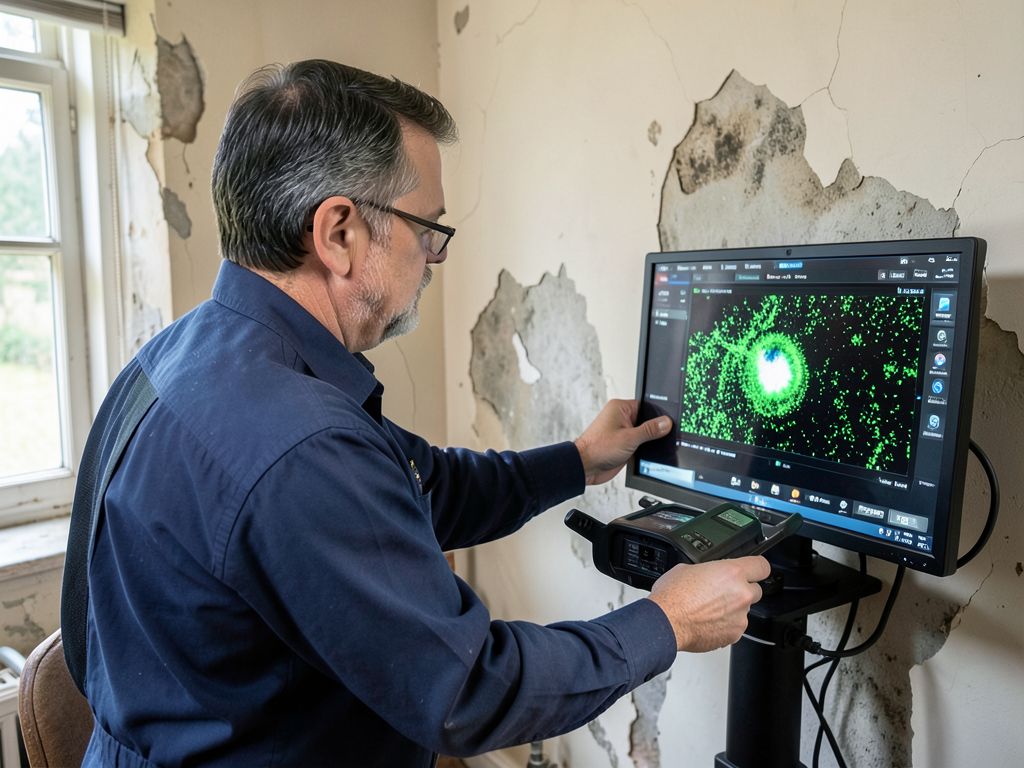
Why Your Broadmoor Home Needs a Specialized Drying Plan for Custom Plaster Walls When water infiltrates your Broadmoor home's custom plaster walls, standard drywall drying techniques can cause irreversible damage. The historic plaster walls common…

How to Stop Your Lake Forest Park Deck from Leaking into the Rooms Below If…

Why Your West Seattle Retaining Wall Could Be the Cause of Your Wet Basement \n\n…
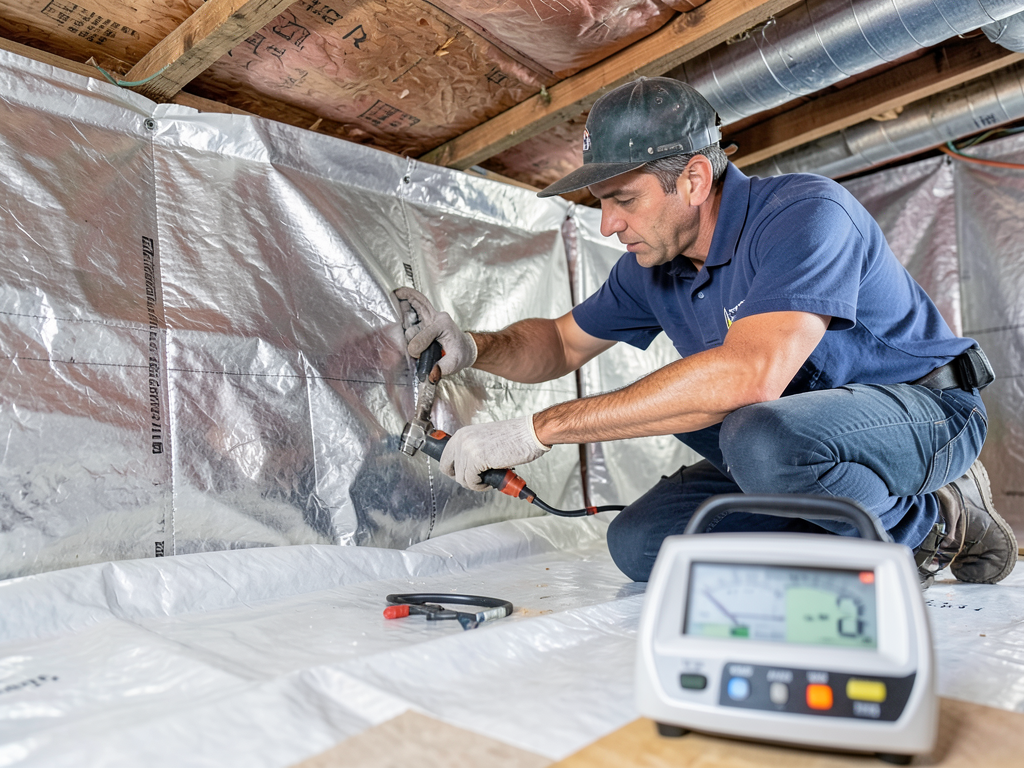
Fixing Moisture Problems in Your Mukilteo Home After a Heavy Fog Season Living near Puget…
Water damage worsens by the hour. Our crews are standing by 24/7 to respond to your Bothell property within 60 minutes. Call Evergreen Water Damage Restoration Seattle now at (564) 220-5525 for immediate emergency dispatch and stop the damage before it spreads.