



Shoreline sits between Puget Sound and Lake Washington, creating a moisture-rich environment where water intrusion threatens homes and businesses year-round. The area's high water table, combined with intense Pacific Northwest rainfall averaging 38 inches annually, creates constant pressure on foundation waterproofing systems. Many Shoreline properties were built in the 1950s through 1970s, featuring crawl spaces and aging plumbing that become vulnerable as materials degrade. The clay-heavy soil common from Richmond Beach to Ridgecrest retains water poorly, causing runoff to pool against foundations during heavy rain events.
Winter freeze-thaw cycles crack pipe fittings and damage exterior walls, while summer brings unexpected failures in aging water heaters and washing machine hoses. Properties near salt water face additional corrosion challenges that accelerate plumbing failures. Shoreline's tree canopy, while beautiful, means fallen branches puncture roofs during windstorms, creating immediate water entry points. The proximity to multiple water bodies also means higher humidity levels inside structures, which accelerates mold growth after any water event. These geographic and structural factors make professional water damage response essential for protecting property values and preventing long-term structural deterioration in Shoreline homes and commercial buildings.
When water floods your Shoreline property, you need a team that understands Pacific Northwest construction methods and responds immediately. Evergreen Water Damage Restoration Seattle operates 24 hours a day with technicians stationed throughout King County, ensuring rapid deployment to Richmond Beach, Ridgecrest, Ballinger, and every Shoreline neighborhood. We do not subcontract emergency calls or make you wait until morning. Our trucks carry industrial extraction equipment, thermal imaging cameras, and commercial dehumidifiers, arriving ready to stop damage progression the moment we reach your property.
Our technicians hold IICRC certifications in water damage restoration and applied structural drying, following science-based protocols that insurance companies recognize and trust. We document every phase of restoration with moisture mapping and thermal imaging, creating the detailed records your insurance adjuster needs to approve your claim quickly. This eliminates the back-and-forth that delays other restoration companies and gets your life back to normal faster.
We understand Shoreline properties because we work in them daily. We know which neighborhoods have combined sewer systems that back up during heavy rain, which elevation zones face the worst flooding, and how to dry crawl spaces in the humid microclimate near the Sound. Our restoration approach goes beyond water extraction. We identify why the water entered, recommend permanent fixes, and coordinate with contractors to prevent recurrence. From the first emergency call through final clearance testing, we handle your restoration as if it were our own home. Shoreline residents return to us because we stop the panic, solve the problem, and deliver results that pass the strictest inspection standards.

Our emergency teams dispatch to Shoreline properties within one hour of your call, 24 hours a day. Rapid response stops water from spreading through walls and floors, preventing thousands in additional structural damage. We arrive with extraction equipment ready, not estimates. Every minute counts when water is actively damaging your property, and our guaranteed response time protects your investment.

We communicate directly with your insurance company, providing documentation adjusters need to approve claims fast. Our detailed moisture mapping, thermal imaging, and daily progress photos eliminate disputes and speed payment. You focus on your family while we handle the paperwork, working with all major carriers including State Farm, Allstate, PEMCO, and Farmers to maximize your coverage and minimize out-of-pocket costs.
Every technician on your Shoreline restoration carries Institute of Inspection Cleaning and Restoration Certification in water damage restoration and applied structural drying. We follow established protocols for moisture removal and mold prevention, using equipment calibrated to Pacific Northwest humidity levels. Our training means we dry structures correctly the first time, preventing callback issues and secondary damage that plague less experienced restoration companies.
We restore Shoreline homes and businesses daily, understanding the specific construction methods, foundation types, and water intrusion patterns common to neighborhoods from Echo Lake to Innis Arden. Our teams know how to dry crawl spaces in high-humidity zones, handle combined sewer backups, and restore mid-century homes without damaging original materials. This local knowledge prevents mistakes and ensures restoration methods match your specific property type.
Water damage takes many forms in Shoreline homes and commercial buildings, from catastrophic flooding to hidden leaks that rot structures silently. Evergreen Water Damage Restoration Seattle handles every water emergency with the same urgency and precision, deploying specialized equipment and techniques matched to your specific situation. Our comprehensive approach addresses immediate water removal, structural drying, contamination control, and permanent repairs that prevent future problems.
We categorize water by contamination level and adjust our restoration protocols accordingly. Clean water from supply line breaks requires different handling than gray water from appliance overflows or black water from sewer backups. Each category demands specific safety protocols, disposal methods, and drying techniques to protect your health and restore your property safely. Our technicians assess contamination levels immediately upon arrival, implementing appropriate remediation strategies that meet Washington State health codes and insurance requirements. Whether you face a flooded basement, burst pipe, or storm damage, we structure our response around the specific water category and damage extent, ensuring thorough restoration that passes inspection and protects your family.
When water floods your property, immediate extraction prevents it from soaking deeper into walls, floors, and belongings. Our emergency teams arrive with truck-mounted extraction units and portable pumps capable of removing thousands of gallons per hour from basements, crawl spaces, and living areas. We deploy air movers and dehumidifiers simultaneously to begin structural drying while extracting standing water, cutting days off the restoration timeline. This rapid response stops water from wicking up drywall, saturating insulation, and penetrating subfloors where it causes hidden rot and mold growth.
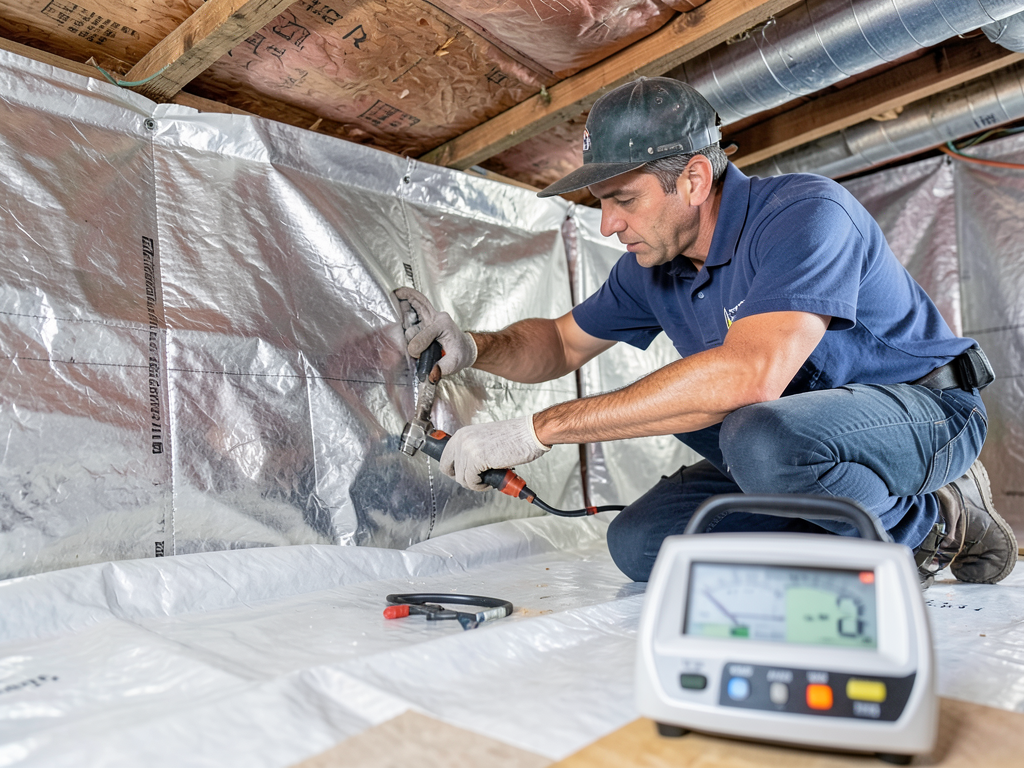
Removing standing water is only the first step. Structural drying uses industrial dehumidifiers, air movers, and heat to extract moisture trapped inside walls, subflooring, and framing lumber. Our technicians monitor moisture levels daily with penetrating meters and thermal cameras, adjusting equipment placement to target stubborn wet areas. We follow IICRC drying standards that specify exact moisture levels materials must reach before restoration is complete. This prevents mold growth and wood rot that develop when contractors rush closure without confirming complete drying. Proper structural drying typically requires three to five days depending on saturation depth and building materials.
Sewage backups and contaminated floodwater require specialized handling to protect your health. Our teams wear protective equipment and follow biohazard protocols when removing black water containing bacteria, viruses, and hazardous waste. We dispose of contaminated materials according to Washington State regulations, apply antimicrobial treatments to affected surfaces, and use HEPA filtration to remove airborne pathogens. Category 3 water damage cannot be handled like clean water events. Proper remediation requires removing porous materials that cannot be disinfected, treating all surfaces with EPA-registered antimicrobials, and verifying contamination clearance before rebuilding begins.
Shoreline's climate, aging infrastructure, and proximity to water create predictable damage patterns throughout the year. Winter storms bring the highest call volume as heavy rainfall overwhelms gutters and saturates soil around foundations, forcing water through cracks and seams. Frozen pipes burst during cold snaps, flooding homes when residents are away. Spring brings snowmelt and continued rain that taxes sump pumps and drainage systems. Summer heat stresses aging water heaters and corroded supply lines, causing sudden failures that flood homes while families are at work.
The neighborhood you live in affects your specific risks. Properties near Puget Sound face salt air corrosion that accelerates plumbing failures. Homes in lower elevations accumulate runoff from uphill properties during heavy rain. Older neighborhoods with mature trees experience more roof damage from falling branches during windstorms. Understanding these patterns helps us respond faster because we know which equipment to bring and what hidden damage to check for based on your location and the type of water event you report.
Heavy Pacific Northwest rainfall overwhelms drainage systems and forces groundwater through foundation cracks, flooding basements and crawl spaces throughout Shoreline. Standing water destroys stored belongings, saturates insulation, and creates ideal conditions for mold growth. High water tables in areas near Lake Washington and Puget Sound make flooding more frequent during wet months. We extract water, dry structures completely, and identify the entry points causing repeated flooding so you can make permanent repairs.
Aging copper pipes, frozen supply lines, and corroded fittings fail without warning, releasing hundreds of gallons that flood multiple rooms before you can shut off the main valve. Water from burst pipes spreads quickly through floors and walls, causing extensive damage in minutes. Older Shoreline homes face higher risk as original plumbing reaches the end of its service life. Our teams arrive fast to stop the flow, extract water, and begin drying before it penetrates subflooring and wall cavities.
Water heaters fail after 10 to 15 years, releasing 40 to 80 gallons across floors in sudden ruptures. Washing machine hoses crack, dishwashers leak, and refrigerator water lines disconnect, flooding kitchens and laundry rooms while residents are away. These leaks often go unnoticed for hours, allowing water to spread through multiple rooms and soak into cabinets and flooring. We handle appliance-related flooding daily, extracting water, drying affected areas, and coordinating with plumbers to prevent recurrence.
Pacific storms bring high winds that tear shingles, drop branches, and drive rain through roof penetrations and damaged flashing. Water enters attics and runs down walls, often appearing rooms away from the actual roof damage. Many homeowners discover leaks only after ceiling stains appear or insulation becomes saturated. Our teams respond to storm damage emergencies with tarping services to stop ongoing water entry, then dry and restore interior damage while coordinating roof repairs.
Water damage creates chaos and stress. You need clear answers about what happens next, how long restoration takes, and what your responsibilities are. Evergreen Water Damage Restoration Seattle eliminates confusion by walking you through each phase of restoration before we begin work. You will know exactly what to expect at every stage, from emergency response through final clearance.
Our process follows IICRC standards and insurance company requirements, ensuring thorough restoration that protects your property value and health. We communicate daily about progress, moisture readings, and timeline adjustments. You will never wonder what is happening or when we will finish. Our project managers remain available by phone throughout restoration to answer questions and address concerns. This transparency builds trust and reduces the anxiety that comes with significant property damage. The following three commitments guide every Shoreline restoration we handle.
Our technicians arrive within 60 minutes to assess damage extent, identify water categories, and begin emergency stabilization. We stop ongoing water intrusion, extract standing water, and deploy drying equipment immediately. You receive a detailed explanation of damage, restoration scope, and expected timeline before we proceed with work. We photograph all damage for insurance documentation and identify safety hazards like electrical risks or structural concerns. This first visit typically takes two to four hours depending on property size and damage extent. You will leave this meeting understanding exactly what restoration requires and what your insurance should cover.
Structural drying requires constant monitoring and adjustment to reach target moisture levels efficiently. Our technicians visit your property daily to check moisture readings, reposition air movers, adjust dehumidifier settings, and document progress. We map moisture levels in walls, floors, and ceilings using penetrating meters and thermal cameras, creating detailed records that show exactly how drying progresses. You receive updates at each visit explaining current conditions and expected completion. This daily attention prevents over-drying that wastes energy and under-drying that leaves hidden moisture where mold grows. Most drying projects require three to seven days depending on saturation depth and materials affected.
We never close a project until moisture readings confirm complete drying. Final testing measures moisture content in all affected materials, comparing readings to established standards for your climate and building type. You receive written documentation showing materials have reached safe moisture levels before any reconstruction begins. This prevents contractors from closing in damp materials where hidden mold and rot develop. If contamination was involved, we provide clearance testing results confirming successful remediation. Insurance companies and contractors trust our documented clearances because they meet industry standards and protect everyone from future liability related to inadequate drying.
Water damage restoration succeeds when you follow a systematic approach that addresses immediate emergencies first, then thoroughly dries structures, and finally restores your property to pre-loss condition. Our process ensures nothing gets missed and every phase receives proper attention.
We dispatch teams within 60 minutes of your call to stop ongoing damage and begin water extraction. Our technicians assess damage extent, identify water sources, shut off supply lines if needed, and extract standing water using truck-mounted pumps and portable extraction units. We deploy air movers and dehumidifiers immediately to begin structural drying while water extraction continues. This rapid response prevents water from spreading to unaffected areas and reduces overall drying time by days. We also move furniture, remove wet contents, and protect undamaged areas from ongoing exposure.
Industrial dehumidifiers and air movers run continuously to extract moisture from walls, floors, and building materials. Our technicians monitor progress daily using moisture meters and thermal imaging, adjusting equipment placement to target stubborn wet areas. We track moisture levels in detailed logs that document drying progress and prove completion to insurance adjusters. This phase typically requires three to seven days depending on saturation depth, materials affected, and environmental conditions. We maintain optimal temperature and humidity levels to speed evaporation while preventing secondary damage from over-drying or inadequate air circulation.
Once moisture testing confirms complete drying, we begin repairs to return your property to pre-loss condition. This includes replacing damaged drywall, installing new flooring, repainting, and rebuilding any structures removed during water extraction and drying. We coordinate with plumbers, electricians, and other trades to complete all repairs efficiently. Our project managers oversee every aspect of reconstruction, ensuring quality workmanship and timely completion. You receive a final walkthrough to verify all repairs meet your expectations before we close the project and submit final invoicing to your insurance company.
The Institute of Inspection Cleaning and Restoration Certification establishes the scientific protocols that govern professional water damage restoration throughout North America. These standards classify water by contamination level and damage by evaporation rate, creating a framework that ensures safe, thorough restoration regardless of which company you hire. Understanding these classifications helps you evaluate whether your restoration contractor follows proper protocols or cuts corners that create health risks and future problems.
Water falls into three categories. Category 1 is clean water from supply lines, rainwater, or appliance overflows that does not pose immediate health risks. Category 2 is gray water containing biological or chemical contamination from sources like washing machine discharges, toilet overflows with urine but no feces, or sump pump failures. Category 3 is black water heavily contaminated with sewage, rising floodwater, or water that has contacted raw sewage in soil. Each category requires different handling protocols. Category 1 water becomes Category 2 after 48 hours if not removed, as bacteria begins growing in standing water and wet materials. Category 3 water requires the most aggressive protocols including removal of porous materials that cannot be effectively disinfected.
IICRC standards also classify damage by drying difficulty. Class 1 involves minimal absorption into materials with slow evaporation rates. Class 2 affects an entire room with significant water absorption into walls and flooring. Class 3 involves fastest evaporation rates where water has saturated walls, ceilings, insulation, and subflooring. Class 4 requires specialty drying for materials like hardwood, plaster, and concrete that absorb water deeply and release it slowly. Our technicians receive ongoing training in these protocols, ensuring we apply appropriate restoration methods based on scientific classification rather than visual assessment alone. This precision protects your health and prevents hidden damage that emerges months after inadequate restoration.
Washington State requires water damage restoration contractors to follow these IICRC standards when working with insurance claims. Adjusters expect detailed moisture mapping, daily documentation, and clearance testing that proves materials reached safe moisture levels before reconstruction begins. Contractors who skip these steps create liability for homeowners and often face denied claims when inadequate work becomes apparent during inspection. We document every phase of restoration with photographs, moisture logs, and equipment deployment records that satisfy the strictest insurance requirements and protect you from future disputes about whether restoration was completed properly.
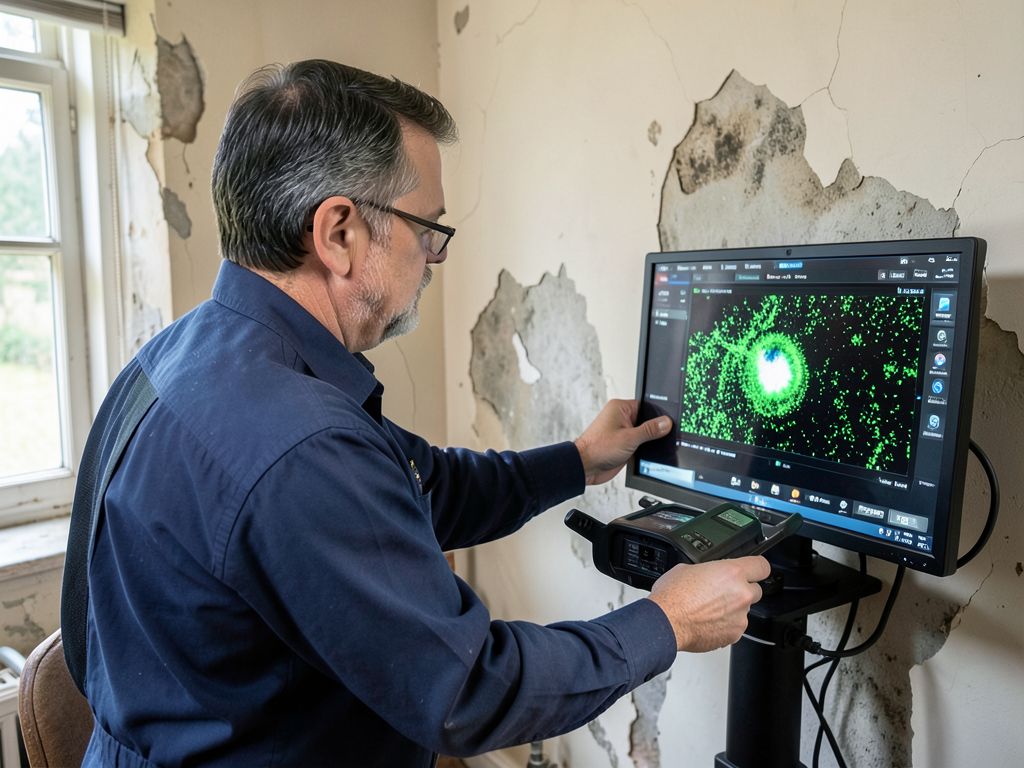
Professional restoration requires knowing where water hides inside structures. We use penetrating moisture meters and infrared thermal cameras to detect saturated materials behind walls, under flooring, and in ceiling cavities. This technology identifies hidden water that visual inspection misses, preventing mold growth in undetected wet areas. Thermal imaging shows temperature differences that reveal moisture patterns, helping us position drying equipment precisely where it delivers maximum effectiveness. These tools transform restoration from guesswork into science.
Water damage restoration costs depend on water volume, contamination category, materials affected, and drying difficulty. Clean water affecting limited areas costs less to restore than sewage flooding that requires material removal and antimicrobial treatment. Hardwood flooring and plaster walls require specialized drying that increases equipment needs and labor time. Response speed also affects costs because water that spreads for hours causes exponentially more damage than water extracted immediately. Insurance covers most restoration costs when you report damage promptly and follow proper claims procedures.
Emergency water extraction begins within hours, but complete restoration requires days to weeks depending on damage extent. Structural drying typically needs three to seven days for moisture levels to reach safe standards. Reconstruction adds days or weeks based on repairs required. Category 3 sewage cleanup takes longer because contaminated materials must be removed, surfaces disinfected, and clearance testing completed before rebuilding begins. We provide accurate timelines during initial assessment and update you daily as conditions change. Rushing closure before materials fully dry creates mold problems and structural damage that cost more to fix than patient, thorough restoration.
Insurance companies require detailed documentation proving damage extent, work performed, and successful completion. We photograph all damage before beginning work, maintain daily moisture logs showing drying progress, document equipment deployment with timestamped photos, and provide final clearance reports confirming materials reached safe moisture levels. This documentation satisfies adjuster requirements and speeds claim payment. We communicate directly with your insurance company, providing information they need to approve your claim without requiring you to become an expert in policy language and coverage limits.
This video covers emergency water damage restoration services in Shoreline, Washington, explaining response procedures, structural drying requirements, and insurance coordination. Viewers learn about water damage categories, IICRC restoration standards, and specific challenges facing Shoreline properties including basement flooding, burst pipes, and storm damage. The video details what property owners should expect during water extraction, structural drying, and restoration phases when working with certified water damage professionals.
Evergreen Water Damage Restoration Seattle maintains rapid response capability throughout Shoreline and surrounding King County communities. Our service vehicles position strategically to reach properties from Richmond Beach to Ridgecrest within 60 minutes of emergency dispatch. We know Shoreline's neighborhoods because we work in them daily, understanding the unique construction methods, drainage challenges, and water intrusion patterns that affect different areas.
The hillside properties along Richmond Beach Road face different risks than homes in the flatter terrain near Innis Arden. Elevation changes throughout Shoreline create runoff patterns that flood lower properties during heavy rain while uphill homes face less groundwater pressure. We adjust our assessment and restoration approach based on these geographic factors because effective water damage restoration requires understanding local topography and how water moves through your specific area. Properties near the Aurora Avenue corridor often feature older commercial construction with flat roofs that accumulate standing water, while residential neighborhoods east of Interstate 5 include newer construction with improved drainage systems.
The Ridgecrest and Highlands neighborhoods feature larger lots with mature landscaping that can channel water toward foundations during storms or create drainage issues as root systems age. Echo Lake area properties face challenges related to proximity to the lake itself, with high water tables that increase flooding risk during wet months. We serve the Ballinger neighborhood near the Boeing Creek watershed, where heavy rainfall can overwhelm natural drainage and cause backup issues in properties adjacent to the creek corridor.
Our teams also respond throughout the greater Shoreline metro area including nearby Lake Forest Park, where proximity to Lake Washington creates similar moisture and humidity challenges. We serve properties in North Seattle neighborhoods just south of the Shoreline border, extending our service area to ensure comprehensive coverage for the entire region. Whether your property sits near Puget Sound with salt air corrosion concerns or inland near the Ronald Bog Natural Area where drainage patterns shift with seasonal conditions, our technicians understand the specific factors affecting your neighborhood.
The Parkwood and Westminster Triangle neighborhoods near the Seattle border feature a mix of older and newer construction that requires different restoration approaches. We handle water damage in Shoreline's commercial districts along Aurora Avenue and Bothell Way, where retail spaces and office buildings present unique challenges compared to residential restoration. Our King County coverage means we also serve Richmond Highlands, Ridgecrest, and every community surrounding Shoreline, maintaining the same rapid response times and quality standards across our entire service area.
Water damage restoration in Shoreline takes 3 to 7 days for most residential projects. Small leaks affecting one room take 3 to 4 days. Larger floods involving multiple rooms or floors need 5 to 7 days. Severe cases with structural damage extend to 2 to 3 weeks. The timeline depends on water category, affected square footage, and material saturation levels. Professionals assess your specific situation during the initial inspection. Drying equipment runs 24 hours daily. You receive progress updates at each phase. Quick action reduces restoration time significantly.
Water damage restoration pricing in Shoreline varies based on damage severity and affected area size. Minor leaks affecting small spaces typically fall on the lower end. Major flooding requiring structural repairs and extensive drying sits at the higher end. Your specific situation determines final pricing. Factors include water category, square footage, material removal needs, and equipment requirements. Most Shoreline restoration companies offer free inspections and detailed estimates. Contact multiple local providers for quotes. Your insurance coverage affects your out-of-pocket expenses. Emergency services after hours add to total restoration expenses.
Homeowners insurance in Shoreline covers water damage restoration from sudden and accidental incidents. Burst pipes, appliance malfunctions, and storm damage qualify for coverage. Flood damage requires separate flood insurance policies. Gradual leaks from poor maintenance face denial. Review your policy declarations page for specific coverage limits and deductibles. Document all damage with photos before cleanup begins. Contact your insurance company within 24 hours of discovering damage. Keep receipts for emergency repairs and temporary lodging. Your restoration company works directly with insurance adjusters to streamline claims.
Water damage restoration in Shoreline takes 3 to 7 days for most residential projects. Small leaks affecting one room take 3 to 4 days. Larger floods involving multiple rooms or floors need 5 to 7 days. Severe cases with structural damage extend to 2 to 3 weeks. The timeline depends on water category, affected square footage, and material saturation levels. Professionals assess your specific situation during the initial inspection. Drying equipment runs 24 hours daily. You receive progress updates at each phase. Quick action reduces restoration time significantly.
Water damage restoration pricing in Shoreline varies based on damage severity and affected area size. Minor leaks affecting small spaces typically fall on the lower end. Major flooding requiring structural repairs and extensive drying sits at the higher end. Your specific situation determines final pricing. Factors include water category, square footage, material removal needs, and equipment requirements. Most Shoreline restoration companies offer free inspections and detailed estimates. Contact multiple local providers for quotes. Your insurance coverage affects your out-of-pocket expenses. Emergency services after hours add to total restoration expenses.
Homeowners insurance in Shoreline covers water damage restoration from sudden and accidental incidents. Burst pipes, appliance malfunctions, and storm damage qualify for coverage. Flood damage requires separate flood insurance policies. Gradual leaks from poor maintenance face denial. Review your policy declarations page for specific coverage limits and deductibles. Document all damage with photos before cleanup begins. Contact your insurance company within 24 hours of discovering damage. Keep receipts for emergency repairs and temporary lodging. Your restoration company works directly with insurance adjusters to streamline claims.
Find reliable water damage restoration companies in Shoreline by checking online reviews on Google and Yelp. Look for businesses with 4.5 stars or higher. Verify they respond to emergencies 24/7 year-round. Ask neighbors and friends for referrals. Check Better Business Bureau ratings and complaint histories. Confirm they use IICRC-certified technicians. Request references from recent Shoreline projects. Compare estimates from three different companies. Verify they provide detailed written estimates. Choose companies with local physical addresses in the Seattle area. Quick response time matters for water damage situations.
Staying in your Shoreline home during water damage restoration depends on damage extent and affected areas. Minor water damage to one room allows you to stay. Major flooding affecting bedrooms, kitchens, or bathrooms requires temporary relocation. Health risks from contaminated water or mold exposure make staying unsafe. Loud drying equipment runs 24 hours and disrupts daily life. Restoration crews need clear access to work efficiently. Your restoration company assesses safety during the initial inspection. Insurance policies often cover hotel stays when your home becomes uninhabitable. Prioritize your family's health and safety.
Hidden water damage in Shoreline homes shows through musty odors in rooms or closets. You notice discolored patches on ceilings and walls. Paint bubbles or wallpaper peels without explanation. Floors feel soft or spongy when you walk. You see warped baseboards pulling away from walls. Unexplained increases in your water bills signal hidden leaks. Mold grows in corners or behind furniture. You hear dripping sounds inside walls. Humidity levels stay above 60 percent. Wooden floors buckle or cup. Check under sinks, around toilets, and near water heaters regularly.
Call for water damage restoration in Shoreline within 1 hour of discovering water damage. Water spreads rapidly through building materials. Mold growth starts within 24 to 48 hours in damp conditions. Quick action saves flooring, walls, and personal belongings. Category 3 water from sewage requires immediate professional attention. Structural damage worsens with each passing hour. Contact emergency restoration services before calling your insurance company. Professionals begin water extraction and drying immediately. Waiting increases restoration time and expenses. Evening and weekend emergencies need the same urgent response as weekday incidents.
Water damage restoration in Shoreline follows a structured five-step process. First, technicians inspect and assess damage severity and water category. Second, they extract standing water using pumps and vacuums. Third, they place industrial dehumidifiers and air movers for structural drying. Fourth, they clean and sanitize affected surfaces and salvageable items. Fifth, they complete repairs and reconstruction work. Professionals monitor moisture levels daily using specialized meters. They document progress with photos and detailed reports. The entire process includes insurance coordination and communication. Each phase builds on the previous step for complete restoration.
Mold remediation becomes necessary after water damage when moisture persists beyond 48 hours in Shoreline homes. Category 2 and 3 water increase mold risks significantly. Hidden moisture in walls or under flooring creates ideal mold conditions. Professional moisture readings above 16 percent indicate potential mold growth. You need remediation when you see visible mold or smell musty odors. Areas with poor ventilation develop mold faster. Restoration companies test for mold during the drying process. Proper drying within 48 hours prevents most mold issues. Address water damage immediately to avoid remediation needs.
Water damage restoration companies in Shoreline use industrial dehumidifiers to remove moisture from air and materials. They place high-velocity air movers to circulate air and accelerate evaporation. Technicians position equipment strategically based on moisture readings and airflow patterns. They monitor humidity levels and material moisture content daily using infrared cameras and moisture meters. Drying equipment runs continuously for 3 to 7 days. They adjust equipment placement as drying progresses. Companies seal off affected areas to maximize drying efficiency. They remove wet insulation and damaged materials when necessary. Professional drying prevents secondary damage and mold growth.
Find reliable water damage restoration companies in Shoreline by checking online reviews on Google and Yelp. Look for businesses with 4.5 stars or higher. Verify they respond to emergencies 24/7 year-round. Ask neighbors and friends for referrals. Check Better Business Bureau ratings and complaint histories. Confirm they use IICRC-certified technicians. Request references from recent Shoreline projects. Compare estimates from three different companies. Verify they provide detailed written estimates. Choose companies with local physical addresses in the Seattle area. Quick response time matters for water damage situations.
Staying in your Shoreline home during water damage restoration depends on damage extent and affected areas. Minor water damage to one room allows you to stay. Major flooding affecting bedrooms, kitchens, or bathrooms requires temporary relocation. Health risks from contaminated water or mold exposure make staying unsafe. Loud drying equipment runs 24 hours and disrupts daily life. Restoration crews need clear access to work efficiently. Your restoration company assesses safety during the initial inspection. Insurance policies often cover hotel stays when your home becomes uninhabitable. Prioritize your family's health and safety.
Hidden water damage in Shoreline homes shows through musty odors in rooms or closets. You notice discolored patches on ceilings and walls. Paint bubbles or wallpaper peels without explanation. Floors feel soft or spongy when you walk. You see warped baseboards pulling away from walls. Unexplained increases in your water bills signal hidden leaks. Mold grows in corners or behind furniture. You hear dripping sounds inside walls. Humidity levels stay above 60 percent. Wooden floors buckle or cup. Check under sinks, around toilets, and near water heaters regularly.
Call for water damage restoration in Shoreline within 1 hour of discovering water damage. Water spreads rapidly through building materials. Mold growth starts within 24 to 48 hours in damp conditions. Quick action saves flooring, walls, and personal belongings. Category 3 water from sewage requires immediate professional attention. Structural damage worsens with each passing hour. Contact emergency restoration services before calling your insurance company. Professionals begin water extraction and drying immediately. Waiting increases restoration time and expenses. Evening and weekend emergencies need the same urgent response as weekday incidents.
Water damage restoration in Shoreline follows a structured five-step process. First, technicians inspect and assess damage severity and water category. Second, they extract standing water using pumps and vacuums. Third, they place industrial dehumidifiers and air movers for structural drying. Fourth, they clean and sanitize affected surfaces and salvageable items. Fifth, they complete repairs and reconstruction work. Professionals monitor moisture levels daily using specialized meters. They document progress with photos and detailed reports. The entire process includes insurance coordination and communication. Each phase builds on the previous step for complete restoration.
Mold remediation becomes necessary after water damage when moisture persists beyond 48 hours in Shoreline homes. Category 2 and 3 water increase mold risks significantly. Hidden moisture in walls or under flooring creates ideal mold conditions. Professional moisture readings above 16 percent indicate potential mold growth. You need remediation when you see visible mold or smell musty odors. Areas with poor ventilation develop mold faster. Restoration companies test for mold during the drying process. Proper drying within 48 hours prevents most mold issues. Address water damage immediately to avoid remediation needs.
Water damage restoration companies in Shoreline use industrial dehumidifiers to remove moisture from air and materials. They place high-velocity air movers to circulate air and accelerate evaporation. Technicians position equipment strategically based on moisture readings and airflow patterns. They monitor humidity levels and material moisture content daily using infrared cameras and moisture meters. Drying equipment runs continuously for 3 to 7 days. They adjust equipment placement as drying progresses. Companies seal off affected areas to maximize drying efficiency. They remove wet insulation and damaged materials when necessary. Professional drying prevents secondary damage and mold growth.
Evergreen proudly serves Seattle and its surrounding communities with professional water damage restoration you can count on. Whether you’re downtown, in the suburbs, or nearby, our responsive team is just a call away. View our service area on the map to see if we’re available in your neighborhood. We’re committed to helping local homeowners and businesses recover fast—so if you need help, we’ll come to you. Use the map below to locate our base or service radius and reach out anytime.
Address:
Shoreline, WA, 98133
Why Your Broadmoor Home Needs a Specialized Drying Plan for Custom Plaster Walls When water infiltrates your Broadmoor home's custom plaster walls, standard drywall drying techniques can cause irreversible damage. The historic plaster walls common…

How to Stop Your Lake Forest Park Deck from Leaking into the Rooms Below If…

Why Your West Seattle Retaining Wall Could Be the Cause of Your Wet Basement \n\n…
Fixing Moisture Problems in Your Mukilteo Home After a Heavy Fog Season Living near Puget…
Water damage worsens every hour you wait. Call Evergreen Water Damage Restoration Seattle now at (564) 220-5525 for immediate dispatch to your Shoreline property. Our teams answer 24 hours a day, arriving within 60 minutes to stop damage and begin restoration. Every minute counts when water is destroying your home or business.