



Redmond sits in the Sammamish River Valley where seasonal flooding from Lake Sammamish and heavy Cascade Mountain runoff create persistent moisture problems. Annual rainfall averages 38 inches, concentrated between October and March, overwhelming aging stormwater systems in neighborhoods like Education Hill and Grass Lawn. The region's clay-heavy soil drains poorly, trapping water around foundations and causing basement seepage in homes built before modern waterproofing standards.
Many Redmond properties were constructed during the 1970s and 1980s tech boom using building codes that didn't anticipate today's extreme weather patterns. Older homes near Bear Creek and Evans Creek face dual threats from surface flooding and high water tables. When atmospheric rivers dump three inches of rain in 24 hours, gutters overflow, crawl spaces flood, and sump pumps fail. Burst pipes during winter freezes compound the problem, especially in unheated attics and exterior walls facing north. These conditions create ideal environments for mold growth within 48 hours if water isn't extracted immediately and structural cavities properly dried.
We've pulled water out of Redmond basements, attics, and crawl spaces since before the tech campus expansions changed the landscape. Our technicians know which neighborhoods flood first when Bear Creek overflows and which housing developments have the weakest sump pump installations. That knowledge saves hours when minutes matter.
Every truck carries industrial extraction equipment, thermal imaging cameras to find hidden moisture, and commercial dehumidifiers rated for Pacific Northwest humidity levels. We don't subcontract the work or send undertrained crews. Our IICRC-certified technicians handle your entire restoration from initial water extraction through final moisture verification testing. You get the same lead technician from start to finish, someone who knows your property's specific damage pattern and drying requirements.
We also handle the insurance maze that confuses most homeowners. Our estimators document every damaged material with photos and moisture readings your adjuster needs for claim approval. We've worked with every major carrier covering Redmond properties and know exactly what documentation prevents claim denials. Most customers never write a check because we bill insurance directly after getting your deductible.
Speed matters most in water damage. Drywall wicks moisture vertically at roughly one inch per hour. Hardwood floors cup within six hours of saturation. Mold spores colonize within 48 hours. Our average response time to Redmond addresses is 47 minutes from your call. We're drying your property while other companies are still driving to give estimates.

Our crews stage equipment throughout the greater Seattle metro, putting response trucks within 15 minutes of most Redmond neighborhoods. When you call our emergency line, dispatch confirms your address and sends the nearest available team immediately. We're extracting water while competitors are scheduling appointments for tomorrow.

Every technician completing your restoration holds current Water Damage Restoration Technician certification from the Institute of Inspection, Cleaning and Restoration Certification. They're trained in psychrometric calculations, antimicrobial application, and structural drying science. You get experts, not helpers with shop vacs.
We document every aspect of your water damage using Xactimate estimating software that insurance adjusters rely on for claim processing. Our estimates include moisture mapping, material loss calculations, and equipment logs that meet carrier requirements. Most customers pay only their deductible because we handle billing directly with insurers.
We've dried hundreds of Redmond properties from Overlake to Idylwood. Our crews know which subdivisions have chronic sump pump issues, where clay soil causes foundation seepage, and how Bear Creek flooding impacts homes near Marymoor Park. Local knowledge means faster diagnosis and more effective drying strategies.
Water intrusion destroys homes through multiple pathways, each requiring different extraction and drying techniques. A burst supply line flooding your kitchen needs immediate water removal and cavity drying to prevent mold in wall assemblies. Sewage backup in your basement requires antimicrobial treatment and disposal of contaminated materials. Roof leaks saturating attic insulation demand different equipment than flooded crawl spaces with standing water.
We handle every category of water damage restoration, from clean water emergencies to contaminated sewage cleanup. Our approach starts with source identification and damage assessment using moisture meters and thermal imaging. We then match extraction equipment and drying strategy to your specific damage pattern. Category 1 clean water gets different treatment protocols than Category 3 sewage contamination. Our technicians adjust antimicrobial application, disposal procedures, and safety protocols based on contamination levels and affected materials. You get restoration work matched to your actual damage, not a one-size-fits-all response.
When water floods your home, every minute increases damage and restoration costs. Our emergency response teams arrive with truck-mounted extractors that remove thousands of gallons per hour from basements, crawl spaces, and living areas. We pull standing water, extract moisture from carpeting and padding, and place commercial air movers to begin drying structural materials. Immediate extraction prevents secondary damage like floor buckling, drywall deterioration, and mold colonization. We stabilize your property within hours of the initial water intrusion.
Removing standing water is just the first step. Moisture trapped in wall cavities, subfloors, and insulation causes rot, mold growth, and structural failure if not properly dried. We use thermal imaging to map hidden moisture, then deploy industrial dehumidifiers and air movers positioned based on psychrometric calculations. Our technicians monitor moisture levels daily using penetrating and non-invasive meters until all materials reach dry standard. Proper structural drying prevents mold and eliminates the need for unnecessary demolition and reconstruction.
Sewage backups and toilet overflows contain bacteria, viruses, and pathogens that make your home unsafe. Category 3 contaminated water requires specialized cleanup protocols, protective equipment, and antimicrobial treatment. We safely extract contaminated water, remove affected materials like carpeting and drywall that can't be salvaged, and apply EPA-registered disinfectants to all surfaces. Our crews follow OSHA safety standards and IICRC S500 guidelines for contaminated water cleanup, protecting your family from biological hazards while restoring your property.
Redmond's position between Lake Sammamish and the Sammamish River Valley creates persistent moisture challenges that lead to chronic water damage. Heavy winter rainfall overwhelms drainage systems in older neighborhoods where storm sewers were sized for smaller populations. Clay soil common throughout Education Hill and downtown areas prevents water from percolating, causing it to pool around foundations and seep into basements. Homes built during the 1970s and 1980s construction boom often lack modern waterproofing and have aging plumbing systems that fail without warning.
The region's freeze-thaw cycles stress pipes in unheated spaces. When temperatures drop below freezing for extended periods, water expands inside supply lines and splits copper and PEX tubing. The real damage happens when temperatures rise and ice melts, releasing hundreds of gallons into wall cavities and attics. Meanwhile, mature trees throughout established neighborhoods lift sidewalks and driveways while their roots infiltrate and crack sewer laterals, causing backups during heavy rain events.
Redmond's clay soil and proximity to Bear Creek create elevated groundwater that pushes through foundation walls and floor slabs during wet months. Homes in lower elevations near Idylwood and Grass Lawn see chronic seepage that saturates carpeting, damages stored belongings, and creates musty odors. Failed or undersized sump pumps can't keep pace with water infiltration during atmospheric river events.
Supply lines running through unheated attics and vented crawl spaces freeze when temperatures drop below 25 degrees for more than a few hours. Once ice forms inside pipes, pressure builds until tubing splits. The damage goes unnoticed until temperatures rise and water pours through ceilings or floods subfloors. A single burst pipe can release 400 gallons per hour, destroying insulation, drywall, and flooring.
Water heaters, washing machines, and dishwashers have limited lifespans. When they fail, supply lines burst, or drain connections leak, water floods finished spaces before homeowners notice. A failed water heater in a garage or utility room can release 40 to 80 gallons before the tank empties. Washing machine supply hoses burst without warning, flooding laundry rooms and adjacent living spaces with pressurized water.
Heavy rainfall overwhelms aging sewer infrastructure, causing backups into basement drains and ground-floor toilets. Tree roots infiltrate clay sewer laterals common in older Redmond neighborhoods, creating blockages that cause sewage to back up into homes. Contaminated water carries dangerous pathogens and requires immediate professional cleanup to protect your family from biological hazards and prevent permanent property damage.
Water damage creates chaos. You're dealing with insurance calls, displaced family members, and the stress of watching your home deteriorate by the hour. Our job is to remove that chaos by handling the technical work while keeping you informed at every step. From the moment you call our emergency line to the day we complete final moisture testing, you'll know exactly what's happening, why we're doing it, and what comes next.
We don't upsell services you don't need or drag out the timeline to inflate invoices. Our technicians assess damage, create a drying plan based on moisture readings and psychrometric data, and execute that plan efficiently. You get daily updates on moisture levels and drying progress. If we find hidden damage behind walls or under flooring, we explain what we found, why it matters, and what options you have before doing additional work. Transparency builds trust, and trust matters when someone's working in your home during a crisis.
When you call our emergency line, we dispatch the nearest crew immediately, usually arriving within 60 minutes. The lead technician walks your property with moisture meters and thermal imaging to map water damage and identify the source. You get a clear explanation of what's damaged, what needs immediate attention, and what the restoration process involves. We then extract standing water, move furniture to dry areas, and place initial drying equipment. Insurance documentation starts immediately with photos and moisture readings your adjuster needs.
Proper drying takes three to five days depending on materials affected and humidity levels. Our technicians return daily to take moisture readings, adjust equipment placement, and document drying progress. You receive updates showing moisture levels dropping toward dry standard. If readings indicate hidden moisture in wall cavities or subfloors, we discuss options for accessing those areas before mold develops. Equipment stays on-site until moisture meters confirm all materials have reached acceptable levels.
We don't pull equipment until final moisture testing confirms every affected material has dried to industry standards. The lead technician documents final readings, takes completion photos, and provides a detailed report for your insurance claim. You get copies of all moisture logs, equipment placement records, and antimicrobial treatment documentation. If reconstruction is needed, we coordinate with trusted contractors or provide referrals. Your property is dry, documented, and ready for the next phase of restoration.
Effective water damage restoration follows scientific principles, not guesswork. We use IICRC S500 standards that define proper extraction, drying, and monitoring procedures for different water categories and building materials. This systematic approach prevents mold, eliminates hidden moisture, and gets you back in your home faster.
Our technicians arrive with truck-mounted extractors and portable units for immediate water removal. We inspect all affected areas using moisture meters and thermal imaging to map damage extent and identify the water source. Standing water gets extracted first using high-volume pumps rated at thousands of gallons per hour. Carpeting, padding, and porous materials get extracted using specialized tools that remove water trapped in fibers and backing. We document initial moisture readings and damage with photos and detailed notes for insurance claims.
After extraction, we deploy commercial air movers and dehumidifiers positioned based on airflow calculations and room layout. Air movers create circulation that evaporates moisture from wet materials into the air. Dehumidifiers pull that moisture from the air and discharge it outside or into drains. Our technicians return daily to take moisture readings, adjust equipment, and monitor drying progress. Thermal imaging detects hidden moisture in wall cavities and ceiling assemblies. Drying continues until moisture meters show all materials have reached acceptable levels per IICRC standards.
We conduct final moisture testing of all affected materials using calibrated meters before removing equipment. The lead technician documents completion with photos and final moisture readings, providing a detailed report for your insurance carrier. Any materials too damaged to salvage get listed with disposal documentation. We coordinate reconstruction needs with qualified contractors or provide referrals. Your property is dry, documented, and ready for repairs. The entire process typically takes three to five days for most residential water damage.
Water damage restoration isn't about pointing fans at wet carpet. Effective mitigation requires understanding water contamination levels, material porosity, and psychrometric relationships between temperature, humidity, and evaporation rates. The IICRC S500 Standard and Reference Guide for Professional Water Damage Restoration defines three water categories based on contamination and three material classes based on how readily they absorb and release moisture.
Category 1 clean water from supply lines requires different handling than Category 2 gray water from appliances or Category 3 black water from sewage backups. Class 1 materials like concrete and tile dry faster than Class 3 materials like drywall and insulation that absorb water readily. Our technicians assess both contamination category and material class to design drying plans that prevent microbial growth while avoiding unnecessary demolition.
Proper drying requires controlling four variables: temperature, humidity, airflow, and time. We calculate grain depression, the difference between moisture in the air and moisture the air can hold at current temperature, to determine dehumidifier capacity needs. Air movers create circulation at 300 to 400 feet per minute across wet surfaces to promote evaporation. We target 30 to 60 percent relative humidity and maintain temperatures between 70 and 90 degrees when possible. Daily moisture readings track drying progress. Materials must reach dry standard, not just feel dry to the touch. Gypsum drywall should measure below 12 percent moisture content. Wood framing should measure below 15 percent. These readings prevent mold colonization and structural damage.
Washington State doesn't require licensing for water damage restoration contractors, making certification and training critical for quality work. We maintain IICRC Water Damage Restoration Technician certifications and follow their science-based protocols. Insurance carriers recognize IICRC standards, making documentation easier and claim approval faster. Proper restoration protects your property value and your family's health, not just your immediate comfort.
Category 1 is clean water from broken supply lines and rainwater that hasn't contacted contaminated surfaces. Category 2 is gray water from washing machines, dishwashers, and toilet bowls without feces. Category 3 is black water from sewage backups, river flooding, and toilets with fecal matter. Each category requires different safety protocols, antimicrobial treatment, and disposal procedures. Category 3 contamination requires removal of porous materials like carpet and drywall that can't be adequately disinfected.
Water damage restoration costs depend on water volume, contamination category, affected materials, and drying time required. Extracting 500 gallons from a basement costs less than drying waterlogged drywall in wall cavities throughout multiple rooms. Category 3 sewage cleanup costs more than Category 1 clean water due to safety equipment, antimicrobial treatment, and contaminated material disposal. Most insurance policies cover sudden water damage from burst pipes and appliance failures but exclude flooding from external sources and gradual leaks.
Most residential water damage takes three to five days to dry using commercial equipment. Class 1 materials like tile and concrete dry in two to three days. Class 3 materials like drywall and insulation take four to five days. High humidity, cold temperatures, and poor ventilation extend drying time. We can't safely remove equipment until moisture readings confirm materials have reached dry standard. Rushing the process by pulling equipment early leads to mold growth and callbacks.
Insurance carriers require specific documentation to approve water damage claims. Adjusters need photos showing initial damage extent, moisture readings from affected materials, detailed equipment logs showing what ran and for how long, and itemized estimates using Xactimate software. We provide all documentation in formats adjusters expect, including floor plans with moisture mapping, daily monitoring logs, and before-and-after photos. Proper documentation prevents claim delays and disputes over covered repairs.
Professional water damage restoration expert explains emergency response procedures, structural drying science, and insurance claim documentation for Redmond WA homeowners. Video covers water damage categories, material classifications, proper extraction techniques, and psychrometric drying principles. Includes discussion of local challenges from Lake Sammamish flooding, Bear Creek overflow, clay soil foundation issues, and aging infrastructure in Education Hill and Grass Lawn neighborhoods. Explains IICRC S500 standards and why certification matters for quality restoration work.
Evergreen Water Damage Restoration Seattle responds to water emergencies throughout Redmond and neighboring Eastside communities within 60 minutes of your call. We serve the established neighborhoods of Education Hill where older homes on clay soil experience chronic foundation seepage during wet winter months. Properties in Overlake near Microsoft's main campus often face burst pipe emergencies in office conversions and aging residential structures. Grass Lawn residents call us for sewage backup cleanup when heavy rainfall overwhelms sewer laterals infiltrated by mature tree roots.
Our crews respond regularly to Downtown Redmond addresses where mixed-use buildings experience roof leaks and plumbing failures in older commercial spaces converted to condos. The Idylwood neighborhood near Marymoor Park sits in a lower elevation that floods during heavy rain, requiring emergency water extraction from basements and crawl spaces. We also serve properties in North Redmond where newer construction faces appliance failures and supply line leaks common in homes five to fifteen years old.
Sammamish residents call us when Lake Sammamish flooding threatens homes near the shoreline or when burst pipes damage properties in the Klahanie and Beaver Lake neighborhoods. We respond to Kirkland addresses throughout Juanita, Finn Hill, and Totem Lake where aging infrastructure and hillside properties create unique water damage challenges. Bellevue customers in Crossroads, Eastgate, and Somerset trust our team for rapid response to water emergencies in both residential and commercial properties.
Our dispatch system routes the nearest available crew to your address, minimizing response time whether you're in central Redmond near City Hall or in outer neighborhoods bordering Woodinville and Carnation. We stage equipment and crews strategically across King County to ensure fast response throughout the greater Seattle metro. Geography determines water damage patterns. Homes near Bear Creek face different challenges than properties on Education Hill's plateau. Our technicians understand these local variations and adjust restoration strategies accordingly. You get crews who know Redmond's neighborhoods, not just the general area.
Water damage restoration in Redmond involves removing water, drying affected areas, and repairing structural damage to your property. Professionals use industrial equipment like pumps, dehumidifiers, and air movers to extract moisture and prevent mold growth. The process typically includes assessment, water removal, drying, cleaning, and restoration. Time matters because water spreads quickly and causes more damage each hour. Most restoration companies in Redmond respond 24/7 to emergencies. Your homeowner's insurance often covers sudden water damage from burst pipes or appliance failures. Act fast to minimize damage and protect your home's structure and belongings.
Redmond's climate brings unique water damage risks. Heavy rainfall from October through March causes flooding and foundation leaks. The area's aging infrastructure means older homes face higher risks of pipe failures and roof leaks. Moisture from nearby wetlands and Lake Sammamish increases humidity levels, making homes prone to condensation problems. You need restoration services familiar with Pacific Northwest building materials and weather patterns. Local companies understand how Redmond's soil composition affects drainage and foundation integrity. They know which restoration methods work best for homes built in different decades throughout the area.
Response time determines how much damage occurs after water enters your home. Within the first 24 hours, water soaks into walls, floors, and furniture. Mold begins growing within 48 hours in damp conditions. Redmond restoration companies offer emergency services because delays lead to structural weakening, electrical hazards, and health risks. When you call immediately, technicians arrive equipped to stop water spread and begin extraction. Quick action saves your belongings, reduces repair expenses, and prevents secondary damage. The first hour after discovering water damage is critical for protecting your property and limiting restoration work needed.
Water damage restoration in Redmond involves removing water, drying affected areas, and repairing structural damage to your property. Professionals use industrial equipment like pumps, dehumidifiers, and air movers to extract moisture and prevent mold growth. The process typically includes assessment, water removal, drying, cleaning, and restoration. Time matters because water spreads quickly and causes more damage each hour. Most restoration companies in Redmond respond 24/7 to emergencies. Your homeowner's insurance often covers sudden water damage from burst pipes or appliance failures. Act fast to minimize damage and protect your home's structure and belongings.
Redmond's climate brings unique water damage risks. Heavy rainfall from October through March causes flooding and foundation leaks. The area's aging infrastructure means older homes face higher risks of pipe failures and roof leaks. Moisture from nearby wetlands and Lake Sammamish increases humidity levels, making homes prone to condensation problems. You need restoration services familiar with Pacific Northwest building materials and weather patterns. Local companies understand how Redmond's soil composition affects drainage and foundation integrity. They know which restoration methods work best for homes built in different decades throughout the area.
Response time determines how much damage occurs after water enters your home. Within the first 24 hours, water soaks into walls, floors, and furniture. Mold begins growing within 48 hours in damp conditions. Redmond restoration companies offer emergency services because delays lead to structural weakening, electrical hazards, and health risks. When you call immediately, technicians arrive equipped to stop water spread and begin extraction. Quick action saves your belongings, reduces repair expenses, and prevents secondary damage. The first hour after discovering water damage is critical for protecting your property and limiting restoration work needed.
Professional restoration teams follow a structured process. First, they assess damage extent and identify the water source. They classify water as clean, gray, or black based on contamination levels. Next, they extract standing water using pumps and vacuums. Industrial dehumidifiers and air movers then dry remaining moisture from materials. Teams monitor humidity levels and adjust equipment as needed. They remove unsalvageable materials and clean affected surfaces with antimicrobial treatments. Finally, they restore your property by repairing drywall, flooring, and damaged structures. Documentation throughout helps with insurance claims and ensures thorough completion of all restoration steps.
Water damage comes from multiple sources in Redmond homes. Burst pipes during winter freezes rank as the most common cause. Washing machine hoses fail after years of use, flooding laundry rooms. Water heaters leak when tanks corrode. Roof damage from storms allows rainwater inside attics and walls. Clogged gutters overflow and seep into foundations. Sewage backups occur when tree roots infiltrate sewer lines. Appliance malfunctions like dishwasher leaks happen unexpectedly. Basement flooding results from poor drainage or foundation cracks. Knowing these risks helps you take preventive measures and recognize problems early before major damage develops.
Your insurance coverage depends on the water damage cause. Most homeowner policies cover sudden, accidental water damage from burst pipes, appliance malfunctions, or storm damage. They typically exclude gradual damage from ongoing leaks or lack of maintenance. Flood damage from external sources requires separate flood insurance. Sewer backup coverage often needs an additional endorsement. Document everything with photos and videos before cleanup begins. Contact your insurance company immediately to start a claim. Restoration companies in Redmond often work directly with insurers and help navigate the claims process, providing detailed documentation and estimates for repairs needed.
Professional equipment makes restoration effective and complete. Industrial-grade water extractors remove thousands of gallons quickly. Commercial dehumidifiers pull moisture from air and materials. High-velocity air movers create airflow to speed drying. Moisture meters detect hidden water in walls and floors. Thermal imaging cameras identify wet areas invisible to the eye. Air scrubbers filter mold spores and contaminants. Professionals have truck-mounted equipment more powerful than rental units. This specialized gear dries structures thoroughly, preventing mold and structural damage. Attempting restoration without proper equipment often leads to incomplete drying and future problems requiring additional work.
Mold grows when moisture remains in your home for 48 hours or more. Redmond's humid climate accelerates mold development after water damage. Professional restoration prevents mold by removing water quickly and drying everything completely. Technicians monitor moisture levels in walls, floors, and ceilings using specialized meters. They place dehumidifiers and air movers strategically to eliminate dampness. Antimicrobial treatments applied to affected surfaces kill mold spores and prevent future growth. Proper ventilation during drying is essential. If restoration starts within 24 hours and follows industry standards, mold problems rarely develop. Delayed response dramatically increases mold risk.
Restoration duration depends on damage extent and affected materials. Minor water damage from a small leak takes 3-5 days to dry and restore. Moderate damage affecting multiple rooms needs 1-2 weeks. Extensive flooding or sewage backup requires 3-4 weeks for complete restoration. Drying time varies based on temperature, humidity, and materials involved. Carpet dries faster than hardwood floors. Drywall requires longer than tile. Weather affects drying speed, with damp Redmond winters extending timelines. Restoration companies provide estimates after initial assessment. They monitor progress daily and adjust equipment placement to ensure complete drying before final repairs begin.
Prevention starts with regular maintenance and monitoring. Inspect pipes, hoses, and appliances yearly for wear and leaks. Replace washing machine hoses every five years. Clean gutters twice yearly to prevent overflow. Check your roof for missing shingles or damage. Install water detection alarms near water heaters, washing machines, and sinks. Know where your main water shutoff valve is located. Insulate pipes in unheated areas to prevent freezing. Grade soil away from your foundation for proper drainage. During vacations, shut off water to washing machines and consider the main valve. These simple steps reduce your risk significantly.
Professional restoration teams follow a structured process. First, they assess damage extent and identify the water source. They classify water as clean, gray, or black based on contamination levels. Next, they extract standing water using pumps and vacuums. Industrial dehumidifiers and air movers then dry remaining moisture from materials. Teams monitor humidity levels and adjust equipment as needed. They remove unsalvageable materials and clean affected surfaces with antimicrobial treatments. Finally, they restore your property by repairing drywall, flooring, and damaged structures. Documentation throughout helps with insurance claims and ensures thorough completion of all restoration steps.
Water damage comes from multiple sources in Redmond homes. Burst pipes during winter freezes rank as the most common cause. Washing machine hoses fail after years of use, flooding laundry rooms. Water heaters leak when tanks corrode. Roof damage from storms allows rainwater inside attics and walls. Clogged gutters overflow and seep into foundations. Sewage backups occur when tree roots infiltrate sewer lines. Appliance malfunctions like dishwasher leaks happen unexpectedly. Basement flooding results from poor drainage or foundation cracks. Knowing these risks helps you take preventive measures and recognize problems early before major damage develops.
Your insurance coverage depends on the water damage cause. Most homeowner policies cover sudden, accidental water damage from burst pipes, appliance malfunctions, or storm damage. They typically exclude gradual damage from ongoing leaks or lack of maintenance. Flood damage from external sources requires separate flood insurance. Sewer backup coverage often needs an additional endorsement. Document everything with photos and videos before cleanup begins. Contact your insurance company immediately to start a claim. Restoration companies in Redmond often work directly with insurers and help navigate the claims process, providing detailed documentation and estimates for repairs needed.
Professional equipment makes restoration effective and complete. Industrial-grade water extractors remove thousands of gallons quickly. Commercial dehumidifiers pull moisture from air and materials. High-velocity air movers create airflow to speed drying. Moisture meters detect hidden water in walls and floors. Thermal imaging cameras identify wet areas invisible to the eye. Air scrubbers filter mold spores and contaminants. Professionals have truck-mounted equipment more powerful than rental units. This specialized gear dries structures thoroughly, preventing mold and structural damage. Attempting restoration without proper equipment often leads to incomplete drying and future problems requiring additional work.
Mold grows when moisture remains in your home for 48 hours or more. Redmond's humid climate accelerates mold development after water damage. Professional restoration prevents mold by removing water quickly and drying everything completely. Technicians monitor moisture levels in walls, floors, and ceilings using specialized meters. They place dehumidifiers and air movers strategically to eliminate dampness. Antimicrobial treatments applied to affected surfaces kill mold spores and prevent future growth. Proper ventilation during drying is essential. If restoration starts within 24 hours and follows industry standards, mold problems rarely develop. Delayed response dramatically increases mold risk.
Restoration duration depends on damage extent and affected materials. Minor water damage from a small leak takes 3-5 days to dry and restore. Moderate damage affecting multiple rooms needs 1-2 weeks. Extensive flooding or sewage backup requires 3-4 weeks for complete restoration. Drying time varies based on temperature, humidity, and materials involved. Carpet dries faster than hardwood floors. Drywall requires longer than tile. Weather affects drying speed, with damp Redmond winters extending timelines. Restoration companies provide estimates after initial assessment. They monitor progress daily and adjust equipment placement to ensure complete drying before final repairs begin.
Prevention starts with regular maintenance and monitoring. Inspect pipes, hoses, and appliances yearly for wear and leaks. Replace washing machine hoses every five years. Clean gutters twice yearly to prevent overflow. Check your roof for missing shingles or damage. Install water detection alarms near water heaters, washing machines, and sinks. Know where your main water shutoff valve is located. Insulate pipes in unheated areas to prevent freezing. Grade soil away from your foundation for proper drainage. During vacations, shut off water to washing machines and consider the main valve. These simple steps reduce your risk significantly.
Evergreen proudly serves Seattle and its surrounding communities with professional water damage restoration you can count on. Whether you’re downtown, in the suburbs, or nearby, our responsive team is just a call away. View our service area on the map to see if we’re available in your neighborhood. We’re committed to helping local homeowners and businesses recover fast—so if you need help, we’ll come to you. Use the map below to locate our base or service radius and reach out anytime.
Address:
Redmond, WA, 98052
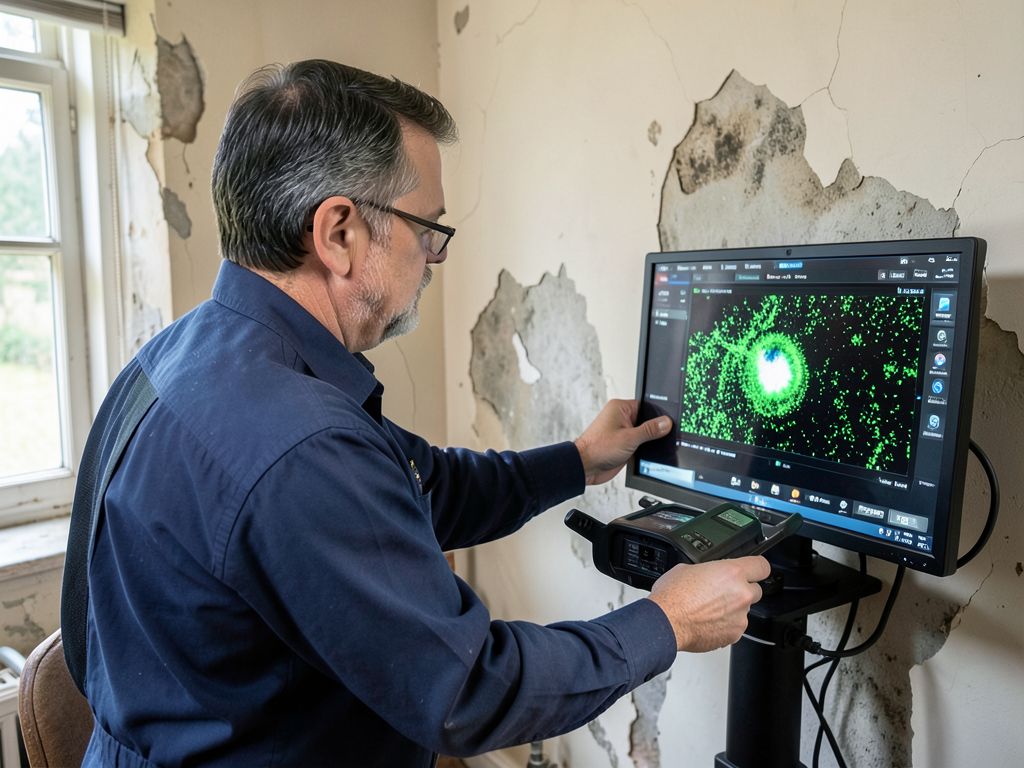
Why Your Broadmoor Home Needs a Specialized Drying Plan for Custom Plaster Walls When water infiltrates your Broadmoor home's custom plaster walls, standard drywall drying techniques can cause irreversible damage. The historic plaster walls common…

How to Stop Your Lake Forest Park Deck from Leaking into the Rooms Below If…

Why Your West Seattle Retaining Wall Could Be the Cause of Your Wet Basement \n\n…
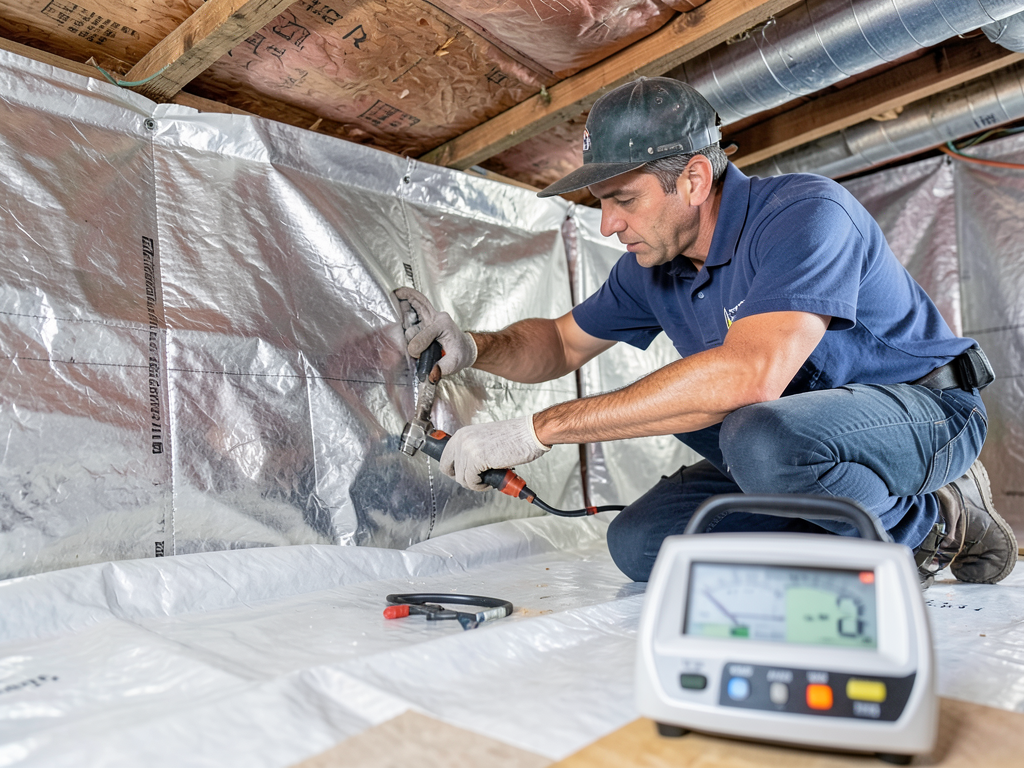
Fixing Moisture Problems in Your Mukilteo Home After a Heavy Fog Season Living near Puget…
Every hour you wait, water damage gets worse and restoration costs increase. Our crews are standing by 24/7 to respond to your emergency. Call Evergreen Water Damage Restoration Seattle now at (564) 220-5525 for immediate dispatch. We'll have technicians pulling water from your Redmond property within the hour.