
Sump Pump Failure Cleanup in Green Lake, Seattle
Your sump pump stopped working. Water is rising in your basement. Every minute you wait, that water is soaking into your framing, your insulation, and your concrete. If you are in Green Lake, Wallingford, or Phinney Ridge, call Evergreen Water Damage Restoration now at (206) 555-0100. We operate 24 hours a day, 7 days a week, and our crews can reach the 98103 and 98115 zip codes fast.
This is not a situation to wait on. Here is exactly what is happening in your basement, why Green Lake homes are especially vulnerable, and what the restoration process looks like from the moment we arrive.

Why Green Lake Basements Flood More Than Most Seattle Neighborhoods
Green Lake sits in a shallow glacial basin. The lake itself is the lowest point in the surrounding geography, and the soil throughout this neighborhood is a mix of glacial till and clay-heavy sediment. Clay does not drain. It holds water like a sponge pressed against your foundation walls.
The water table beneath Green Lake Way and the surrounding residential streets runs notably high, especially between October and April when Seattle receives the bulk of its 37-plus inches of annual rainfall. During an atmospheric river event, groundwater can rise several feet within hours. Your sump pump basin fills faster than the pump can discharge.
Add the aging combined sewer overflow systems that serve older North Seattle districts, and you have a second problem layered on top of the first. When those CSO systems back up during heavy rain, the contamination profile of your basement water changes from clean groundwater to something far more serious.
Homes along the blocks closest to the lake, particularly older Craftsman bungalows built before modern vapor barrier requirements under the Washington State Energy Code, are the most exposed. Their original drain tile systems are often cracked, collapsed, or completely absent.
The Mechanical Reasons Your Sump Pump Failed
A sump pump does not just stop working for no reason. There are specific failure points that our technicians diagnose on every job in this neighborhood.
- Float switch failure — The float switch tells the pump motor when water has reached the trigger level. If the float gets stuck against the side of the sump pump basin, or if the switch corrodes, the motor never activates. This is the single most common cause of failure we see in Green Lake homes.
- Check valve failure — The check valve prevents discharged water from flowing back into the basin after the pump shuts off. A failed check valve causes the pump to cycle constantly, burning out the motor within hours.
- Power interruption — Seattle ice storms and Pacific Northwest windstorms knock out power regularly. A pump with no battery backup becomes useless the moment the lights go out, which is often the exact moment the storm is dumping the most water.
- Debris clogging the submersible pump intake — Gravel, sediment, and organic debris accumulate in the basin over time. When the intake screen clogs, the motor overheats and trips its thermal overload switch.
- Undersized pump for the water table load — Many older Green Lake homes have pumps that were sized for average conditions. During an atmospheric river event, average conditions do not apply. The pump simply cannot move water fast enough.
For a full breakdown of what routine maintenance prevents, see our Sump Pump Maintenance Guide.
Groundwater vs. Sewage Backup — The Difference Matters
Not all basement flooding carries the same health risk. The U.S. Environmental Protection Agency classifies water contamination in three categories, and every decision our technicians make on a job site is driven by which category applies.
| Water Category | Source | Health Risk | Required Response |
|---|---|---|---|
| Category 1 (Clean Water) | Groundwater intrusion through foundation cracks, clean sump overflow | Low — no pathogens present initially | Extraction, structural drying, dehumidification |
| Category 2 (Grey Water) | Washing machine overflow, dishwasher backup, minor sewage mixing | Moderate — bacteria present, can cause illness if ingested or contacted | Extraction, antimicrobial treatment, full structural drying |
| Category 3 (Black Water) | CSO backup, toilet overflow, floodwater with sewage contamination | High — contains fecal coliforms, hepatitis viruses, and other pathogens | Full biohazard protocol, PPE, disposal per King County wastewater regulations |
When Green Lake’s older sewer infrastructure backs up into a sump basin, the water rapidly escalates from Category 1 to Category 3. Category 3 water requires disposal under King County’s wastewater management regulations, and contaminated materials like drywall, insulation, and carpet padding typically cannot be saved. See our detailed page on water contamination categories to understand what that means for your specific situation.
Do not walk through standing basement water in bare feet or handle it without gloves. Do not run fans over it. Do not attempt to shop-vac it yourself. The aerosolization of contaminated water spreads pathogens to areas of the home that were previously unaffected.

What Happens When Our Team Arrives at Your Green Lake Home
- Assessment and Water Category Determination
Our IICRC-certified technician immediately identifies the water source and classifies contamination level. We test for sewage indicators before any crew member enters the water. This step determines every protocol decision that follows.
- Electrical Safety Check
Flooded basements with active electrical panels are immediately dangerous. We verify the service panel is off before extraction begins. In older Green Lake Craftsman homes, we frequently find non-GFCI outlets at floor level that present an electrocution risk.
- High-Volume Water Extraction
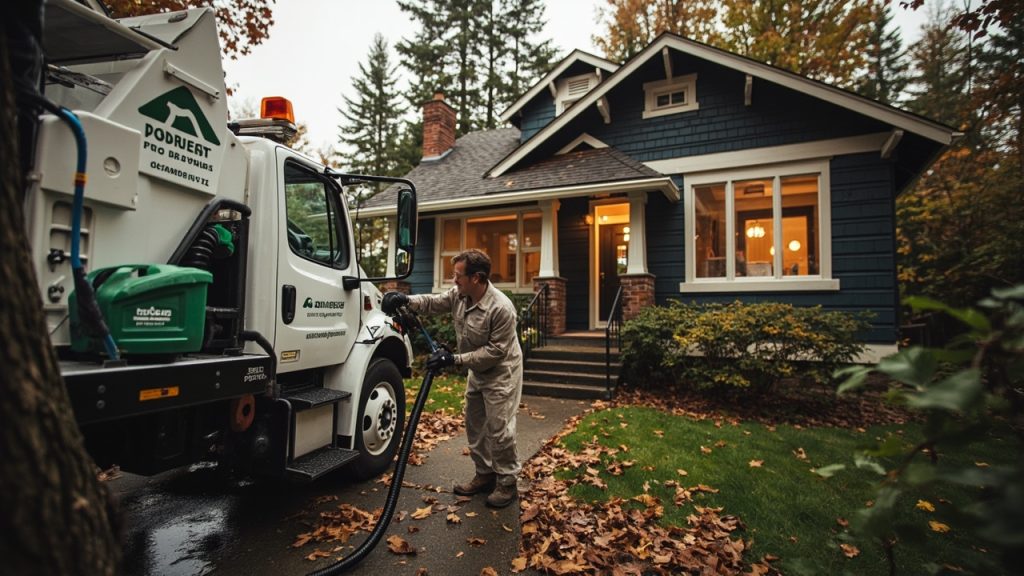
We deploy truck-mounted extractors capable of removing hundreds of gallons per hour. Submersible extraction pumps handle the bulk water first, followed by wet-vacuum extraction for residual moisture in carpet, concrete seams, and wall cavities. See our rapid response flood extraction service for more on this process.
- Material Assessment and Removal
Saturated drywall, insulation, and carpet padding are cut out and bagged for disposal. In Category 3 situations, this material is classified as contaminated waste and disposed of according to applicable King County regulations. Structural framing is inspected for saturation depth using moisture meters.
- Antimicrobial Treatment
All affected surfaces receive EPA-registered antimicrobial treatment. This step is not optional. Mold can begin colonizing porous materials within 24 to 48 hours in Seattle’s ambient humidity conditions. Treating surfaces immediately after extraction is what prevents a flood cleanup from turning into a full mold remediation job weeks later.
- Professional Dehumidification and Structural Drying
Commercial-grade desiccant or refrigerant dehumidifiers are positioned to maintain the vapor pressure differential needed for structural drying. Axial air movers direct conditioned air across wet framing and concrete. Moisture readings are logged daily to track progress against drying goals. Visit our structural drying services page for typical timelines.
- Sump Pump Repair or Replacement Coordination
We coordinate with emergency plumbing partners to address the pump itself. If the submersible pump motor is burned out, the check valve has failed, or the basin needs to be enlarged to handle the water table load beneath your specific property, we facilitate that repair as part of the overall mitigation scope.
- Insurance Documentation
We photograph every stage of damage and remediation, generate moisture mapping reports, and assist you in submitting a complete claim package to your insurer. This documentation is what separates a paid claim from a disputed one.
The Electrical Hazard Nobody Talks About
Basement flooding and electricity are a lethal combination. Ground fault circuit interrupters help, but many Green Lake homes built before the 1980s have unprotected outlets at or near floor level. When water contacts a live outlet, the entire pool of water becomes energized.
Before you re-enter a flooded basement, turn off the main breaker at your service panel from a dry location. If your panel is in the basement and you cannot reach it without entering the water, call your utility provider and request an emergency disconnect. Do not guess. Do not wade in.
Our technicians carry non-contact voltage testers and use them before any person or equipment enters standing water. This is standard protocol on every job, not an exception.
Mold Timeline After a Sump Pump Failure
Seattle’s baseline relative humidity means your home already operates close to the conditions that support mold growth. After a basement flood, you have a narrow window before mold colonizes structural materials.
| Time After Flooding | What Is Happening Inside Your Walls | Professional Action Required |
|---|---|---|
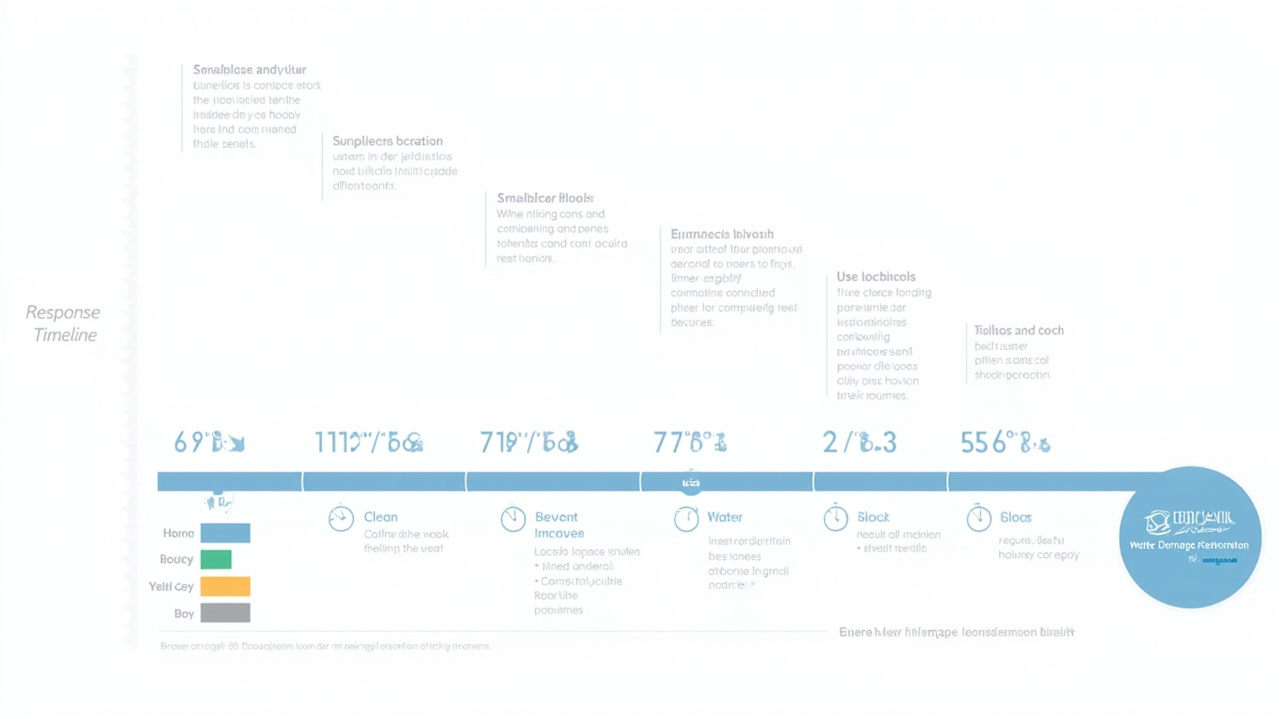
| 0 to 2 hours | Water wicking into drywall, insulation, and subfloor. No visible mold yet. | Extraction and material assessment |
| 2 to 24 hours | Drywall paper backing becomes saturated. Wood framing moisture content rising above 19%. Ideal mold germination conditions forming. | Full extraction complete, dehumidifiers and air movers deployed |
| 24 to 48 hours | Mold spores begin germinating on porous surfaces. Musty odor may appear. Subfloor adhesive failing. | Antimicrobial treatment applied, wet materials removed |
| 48 to 72 hours | Visible mold colonies forming on paper-faced drywall and OSB sheathing. Structural drying urgency critical. | Emergency mold containment may be required. See emergency mold containment. |
| 72+ hours | Widespread mold growth. Structural framing at risk. Air quality in the home degrading. | Full mold remediation protocol required in addition to flood cleanup |
The mold prevention window is real and short. If you are reading this after your basement flooded 48 hours ago, check our page on black mold symptoms to understand what exposure risks you and your family may already face.
Navigating Your Washington Homeowners Insurance Claim
This is where a lot of Green Lake homeowners get surprised. Standard Washington homeowners policies do not automatically cover sump pump failure or water backup. You need a specific Water Backup and Sump Overflow rider, and the coverage limits on those riders vary widely between carriers.
Here is what typically applies in Washington State policies as of 2026:
- Groundwater intrusion through foundation cracks without mechanical failure is often excluded as a flood event, requiring separate flood insurance through FEMA’s National Flood Insurance Program.
- Sump pump overflow caused by a mechanical failure of the pump itself may be covered under a Water Backup rider if you purchased that endorsement.
- Sewage backup from the municipal CSO system backing up into your drain line is a separate scenario that may be covered under a Sewer Backup endorsement.
- Resulting damage to personal property, finished basement materials, and structural components is governed by the specific sub-limits on your endorsement, which commonly range from limited coverage amounts to higher limits depending on your policy tier.
Our team documents every moisture reading, every extracted gallon, and every material removed. That documentation is your claim. Adjusters work from what is on paper. We make sure your paper is complete. Read our full guide on how to handle insurance claims for water damage.
The Washington State Office of the Insurance Commissioner maintains a homeowners insurance resource page that explains your rights when disputing a claim denial, which is useful if your carrier pushes back on coverage classification.
What to Do Right Now While You Wait for Our Crew
You called us. We are on the way. Here is what you can do safely in the meantime.
- Turn off the main breaker if you can do so from a dry, safe location.
- Do not use any electrical devices in or near the flooded area.
- Move irreplaceable items like documents, photos, and electronics to an upper floor if they are not already submerged. If they are water-damaged, see our document drying and restoration service.
- Do not run a fan over standing water. It aerosolizes contaminants.
- Do not pour bleach into the water or onto wet surfaces before we assess the contamination category. Bleach interacts differently with Category 3 water and can create harmful vapors.
- Take photographs of the water level and any visible damage for your insurance documentation before we begin work.
- Call your insurance company to open a claim file and get a claim number. You do not need to wait for the adjuster before allowing restoration work to begin. Mitigation cannot legally be delayed by a pending adjuster visit in Washington State.
Green Lake and Surrounding Neighborhoods We Reach Fast
Our response routes into the Green Lake neighborhood use Aurora Avenue North and the I-5 interchange at NE 65th Street. From our staging area in North Seattle, we reach Green Lake Way, Woodland Park Avenue, and Phinney Ridge properties in under 45 minutes on standard traffic. Wallingford addresses south of Green Lake are typically accessible within 30 minutes.
We also serve Fremont, Ballard, and Queen Anne for sump pump failures and basement flooding. Homeowners further out in Shoreline can reach us through our Shoreline water damage restoration team. South Seattle coverage including Burien is handled through our Burien restoration service.
Every crew that enters a Green Lake home is IICRC certified in Water Damage Restoration (WRT) and Applied Structural Drying (ASD). These are not courtesy titles. They represent specific training in psychrometrics, moisture mapping, and dehumidification science that determines whether your framing dries correctly or develops a mold problem you discover six months from now.
After the Water Is Gone — What Restoration Looks Like
Extraction and drying are mitigation. Restoration is what comes after. Once moisture readings return to pre-loss baselines across all structural assemblies, we address what the water damaged.
In Green Lake’s older homes, that frequently includes water-stained drywall, peeling paint and wallpaper on basement walls, swollen baseboards and trim, and saturated insulation in the rim joist area. We handle the full scope so you are not managing four separate contractors.
If your basement has a finished floor, read our guide on cupping and buckling wood floors to understand whether your flooring is salvageable or needs replacement.
For current cost expectations in the Seattle market, see our Water Damage Restoration Cost guide for 2026.
Frequently Asked Questions
How much does sump pump failure cleanup cost in Seattle?
Cost depends on the square footage of the affected area, the water contamination category, and whether finished materials need to be removed and replaced. Category 1 groundwater in an unfinished basement costs significantly less than a Category 3 sewage backup in a finished space. Our team provides a written scope of work before any billing begins. See our 2026 cost guide for detailed factors.
Is sump pump failure covered by homeowners insurance in Washington State?
Only if you purchased a Water Backup and Sump Overflow rider. Standard policies exclude groundwater intrusion and mechanical pump failure. Check your declarations page for this endorsement before assuming coverage. We assist with documentation regardless of coverage status.
How long does basement drying take after a flood?
An unfinished basement with clean water typically dries in 3 to 5 days under professional dehumidification. Finished basements with insulated walls can take 5 to 10 days. Category 3 contamination jobs require material removal before drying can begin, which extends the timeline. Daily moisture readings track actual progress. See our detailed page on how long drying takes.
Can I run a fan or space heater to dry my basement faster?
No. Residential fans move air but do not remove moisture from it. A space heater raises air temperature, which increases the air’s capacity to hold vapor, but without a dehumidifier to extract that vapor from the space, the moisture migrates into walls and framing rather than leaving the building. Professional desiccant and refrigerant dehumidifiers remove moisture from the air. Fans alone do not.
What if I also notice mold after the water is extracted?
Pre-existing or newly developing mold requires a separate remediation protocol. Our team assesses and, where appropriate, contains mold growth during the extraction phase to prevent cross-contamination. Larger infestations require full mold remediation as a follow-on scope.