



menu

Understanding Mold Toxicity in Seattle – Recognize the Signs Before Health Problems Escalate

Comprehensive guidance on mold illness symptoms, black mold health risks, and mycotoxin exposure specific to Seattle's persistently damp climate.

Slider Image 1
Slider Image 2
Slider Image 3
Slider Image 4
Slider Image 5
Slider Image 7
Slider Image 8
Slider Image 9
Slider Image 10
Slider Image 11

Why Seattle Homes Face Elevated Mold Toxicity Risks

Seattle's notoriously wet weather creates ideal conditions for mold growth. The city receives an average of 150 days of measurable precipitation annually, and relative humidity often exceeds 70 percent from October through May. This persistent moisture allows mold colonies to establish quickly in crawl spaces, attics, and wall cavities.

Mold illness symptoms develop when people breathe mycotoxins, the toxic byproducts certain mold species release. You might notice chronic fatigue, persistent headaches, difficulty concentrating, or respiratory irritation that never fully resolves. Signs of mold poisoning often mimic other conditions, which is why many Seattle residents attribute their symptoms to seasonal allergies or the region's gray weather.

Black mold health risks deserve particular attention. Stachybotrys chartarum, commonly called black mold, thrives in Seattle's moisture-saturated environment. This species produces potent mycotoxins that can trigger severe inflammatory responses. Effects of mold exposure range from mild respiratory irritation to neurological symptoms, depending on exposure duration and individual sensitivity.

Homes in neighborhoods like Capitol Hill, Queen Anne, and Ballard face heightened risk due to older building stock with inadequate vapor barriers. Many pre-1980s structures in Seattle lack proper moisture management systems. When water intrusion events occur, whether from failed roof flashing or foundation seepage through Seattle's clay-heavy soil, the timeline from water damage to active mold growth can be as short as 48 hours.

Understanding the connection between Seattle's climate patterns and mycotoxin illness helps you recognize when professional intervention becomes necessary.

Why Seattle Homes Face Elevated Mold Toxicity Risks
How Mold Toxicity Assessment Works

How Mold Toxicity Assessment Works

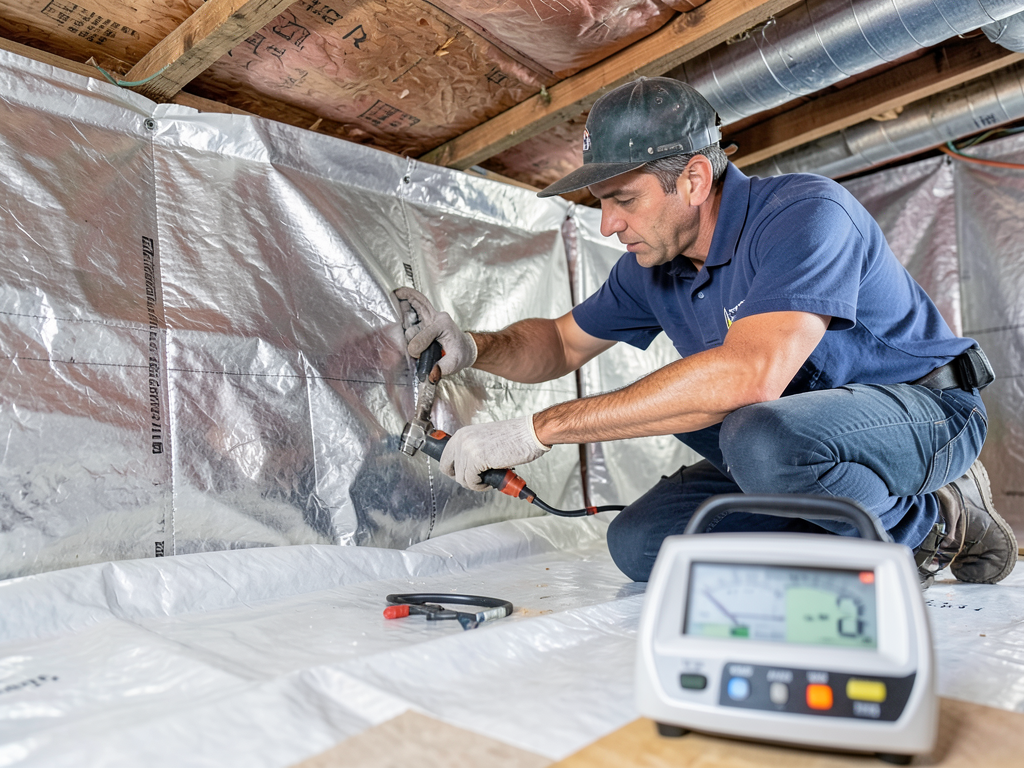
Proper mold toxicity evaluation requires understanding both the environmental source and the biological impact. We begin with moisture mapping using thermal imaging cameras and hygrometers to identify hidden water intrusion points. Seattle homes often have concealed moisture problems in rim joists, crawl spaces beneath pier-and-beam foundations, or within wall assemblies where condensation accumulates.

Air sampling captures airborne mold spore concentrations and identifies specific species present. We use spore trap methodology and culturable sampling to differentiate between normal background levels and elevated concentrations indicating active colonization. This data becomes critical when you need documentation for insurance claims or when considering remediation scope.

Surface sampling through tape lifts or swab tests confirms whether visible growth contains toxigenic species. Not all mold produces mycotoxins, but species identification tells us whether the colony poses significant health risks. We correlate lab results with moisture readings to pinpoint the water source feeding the growth.

Environmental relative humidity testing determines whether your home's ambient conditions support ongoing colonization. Seattle's outdoor humidity often exceeds 80 percent, but indoor levels should remain below 60 percent to prevent mold establishment. We measure humidity gradients throughout the structure to identify problem zones.

Material moisture content testing using pin-type and non-invasive meters reveals whether building materials have absorbed enough water to support mold growth. Wood framing should measure below 16 percent moisture content. Readings above 20 percent indicate conditions where mold colonies flourish.

The assessment creates a roadmap connecting moisture sources, existing contamination, and health symptom patterns. This systematic approach prevents the common mistake of treating surface mold without addressing the underlying water intrusion that caused it.

What Happens During a Mold Toxicity Consultation

Understanding Mold Toxicity in Seattle – Recognize the Signs Before Health Problems Escalate
01

Initial Health and Property Assessment

We start by documenting the health symptoms you or your family members experience and the timeline of when they began. This history helps correlate symptoms with potential exposure events. We then conduct a visual inspection of your Seattle property, checking common problem areas like crawl spaces, attics, bathrooms, and exterior drainage patterns. Thermal imaging identifies temperature differentials that indicate moisture intrusion behind walls or ceilings.
02

Environmental Testing and Analysis

We collect air samples from multiple locations throughout your home and send them to accredited mycology labs for spore identification and quantification. Surface samples from suspected growth areas undergo microscopic analysis to identify species and confirm whether they produce mycotoxins. We measure moisture levels in building materials and document relative humidity throughout the structure. Lab results typically return within five to seven business days and include specific recommendations based on findings.
03

Results Review and Action Planning

Once lab analysis completes, we review findings with you in detail. You receive a comprehensive report documenting spore types, concentrations, moisture sources, and contaminated materials. We explain which mold species were identified and their associated health risks. The report includes a prioritized remediation plan addressing moisture source elimination, contaminated material removal, and prevention strategies. This documentation proves valuable for insurance claims and provides your physician with environmental exposure data.

Why Seattle Residents Trust Evergreen Water Damage Restoration Seattle for Mold Concerns

Seattle's unique building characteristics and climate patterns require localized expertise. Many homes in neighborhoods like Fremont, Wallingford, and Ravenna were built during the 1920s through 1950s, before modern moisture management standards existed. These structures often lack vapor barriers, have inadequate ventilation, and feature original single-pane windows that generate condensation. Understanding these construction nuances determines whether mold problems stem from acute water damage or chronic moisture issues.

Our familiarity with Seattle's seasonal patterns helps identify risk periods. The city's extended rainy season from October through June creates sustained moisture exposure. We know that homes on the western slopes of Capitol Hill or Queen Anne face prevailing weather differently than properties in protected valleys like Rainier Valley. This geographical knowledge informs our assessment approach.

We understand local building codes and how they evolved. Seattle adopted significant moisture management requirements in the 1990s and updated them again in the 2010s. Knowing which code standards applied when your home was built or renovated helps us evaluate whether proper moisture barriers, flashing details, and ventilation systems were installed correctly.

Relationships with local environmental physicians and indoor air quality specialists allow us to coordinate care when health symptoms require medical evaluation. We can connect you with Seattle-area practitioners who understand mycotoxin illness and can order appropriate biomarker testing.

Our testing protocols align with standards set by the American Industrial Hygiene Association and follow EPA guidelines for mold investigation. We use AIHA-accredited laboratories located in the Pacific Northwest that understand regional mold ecology. The spore species common in Seattle differ from those in drier climates, and proper identification requires regional expertise.

We approach mold concerns without creating unnecessary alarm. Many mold situations can be resolved through targeted remediation and moisture control rather than complete home evacuation.

What to Expect During Mold Toxicity Evaluation

Response Timeline and Scheduling

We typically schedule mold assessments within 48 hours of your call. The initial on-site evaluation takes two to four hours depending on property size and complexity. We collect samples during this visit, which are shipped to the lab the same day. Analysis results return within five to seven business days for standard testing. Expedited analysis is available when you need faster results for medical or real estate transaction purposes. After receiving lab results, we schedule a follow-up consultation within 24 hours to review findings and discuss next steps.

Comprehensive Property Investigation

The assessment covers all areas where moisture problems commonly develop in Seattle homes. We inspect crawl spaces for groundwater seepage and inadequate vapor barriers. Attics receive scrutiny for roof leaks and ventilation deficiencies. Bathrooms and kitchens are checked for plumbing leaks and exhaust fan functionality. We examine exterior grading, downspout discharge points, and foundation drainage. Thermal imaging reveals hidden moisture in walls and ceilings. We document findings with photographs and moisture readings. You receive a detailed report mapping all problem areas identified during the investigation.

Clear Documentation and Findings

Your report includes laboratory analysis showing specific mold species identified, spore concentrations measured in colony-forming units, and comparison to normal outdoor baseline levels. Photographs document visible growth and water damage. Moisture maps show material moisture content readings throughout the property. We identify which mold species produce mycotoxins and explain associated health risks. The report specifies contaminated materials requiring removal versus areas that can be cleaned. Recommendations address both immediate remediation needs and long-term moisture control strategies. This documentation supports insurance claims and provides your medical providers with environmental exposure data.

Post-Assessment Support and Guidance

After reviewing results, we connect you with qualified remediation contractors if contamination requires professional removal. We can provide clearance testing after remediation to confirm spore levels have returned to acceptable ranges. For properties with chronic moisture issues, we recommend building envelope specialists who can address underlying construction deficiencies. We offer follow-up consultations at no additional charge if you have questions while reviewing your report or during the remediation process. If your physician requests additional environmental data, we provide supplemental documentation at no cost. Our goal is ensuring you understand your mold situation completely and have a clear path forward.

Frequently Asked Questions

You Have Questions,
We Have Answers

What are the 10 warning signs of mold toxicity? +

Common warning signs include chronic fatigue, brain fog, difficulty concentrating, persistent coughing, sinus congestion, headaches, skin rashes, joint pain, digestive issues, and respiratory problems. In Seattle's damp climate, mold exposure often worsens during fall and winter months when indoor humidity spikes. You may also notice increased sensitivity to smells, memory problems, or mood changes. If you experience multiple symptoms that worsen at home but improve when you leave, suspect mold exposure. Seattle residents should watch for musty odors in basements, crawl spaces, and poorly ventilated bathrooms where moisture accumulates year-round.

How do you know if you have toxic mold in your body? +

Watch for symptoms that persist despite treatment. Chronic sinus infections, unexplained fatigue, muscle aches, sensitivity to light, and memory issues suggest mold exposure. You may experience tingling sensations, metallic taste, or static shocks more frequently. Blood tests can measure mycotoxin levels and immune system markers like C4a or TGF-beta1. Urine testing detects mold metabolites your body excretes. Seattle's persistent moisture creates ideal conditions for toxic black mold growth. If symptoms improve when you leave your home or workplace for extended periods, mold toxicity is likely. Consult a physician familiar with environmental illness for proper testing.

Can mold cause heartburn? +

Yes, mold exposure can trigger heartburn and acid reflux. Mycotoxins irritate your digestive tract lining, causing inflammation that weakens the lower esophageal sphincter. This allows stomach acid to back up into your esophagus. Mold also disrupts your gut microbiome, reducing beneficial bacteria that help regulate digestion. Seattle homes with hidden water damage in walls or under floors often harbor mold that releases spores into living spaces. If you notice heartburn worsening at home, particularly in rooms with visible moisture stains or musty smells, mold exposure may be the cause. Address the source before symptoms progress.

Can mold cause migraines? +

Mold exposure commonly triggers migraines and severe headaches. Mycotoxins cause neuroinflammation, affecting blood vessels in your brain and triggering pain responses. Volatile organic compounds released by mold colonies irritate your nervous system. Many Seattle residents report headaches worsening during rainy seasons when indoor mold growth accelerates. You may notice migraines starting shortly after entering specific rooms or buildings. Mold in HVAC systems spreads spores throughout your home, creating constant exposure. If traditional migraine treatments fail but symptoms improve away from your home, suspect mold as the trigger. Professional inspection can identify hidden moisture sources feeding mold growth.

How to flush mold out of your system? +

Start by eliminating ongoing mold exposure. Leave contaminated spaces and remediate the source. Increase water intake to help kidneys flush mycotoxins. Eat foods rich in antioxidants and fiber to support detoxification. Activated charcoal binds to mold toxins in your digestive tract. Glutathione supplements support liver function. Sauna sessions promote sweating, which eliminates toxins through skin. In Seattle's damp climate, use dehumidifiers to prevent new mold growth during recovery. Work with a physician experienced in environmental medicine. They may prescribe binders, antifungals, or specific supplements based on your toxin levels. Recovery takes weeks to months depending on exposure severity.

Can air purifiers remove mold spores? +

Quality air purifiers with HEPA filters capture mold spores from the air, but they cannot eliminate mold growth at the source. HEPA filters trap particles as small as 0.3 microns, including most mold spores. However, spores continuously release from active colonies until you remove the moisture source. In Seattle homes, air purifiers help reduce airborne spore counts in bedrooms and living areas. Choose units with activated carbon filters to absorb volatile organic compounds mold releases. Run purifiers continuously in rooms with poor ventilation. Remember, air purifiers are temporary solutions. Professional remediation addresses the root cause of mold growth.

How do I test myself for mold toxicity? +

Start with a visual inspection of your home for water damage, musty odors, and visible mold. Professional mold testing identifies species and spore counts. For personal health testing, request a mycotoxin panel through urine analysis from labs specializing in environmental toxins. Blood tests measure inflammatory markers like TGF-beta1, C4a, and MMP-9 that elevate with mold exposure. Seattle physicians familiar with water-damaged buildings can order appropriate tests. Home test kits provide preliminary data but lack medical interpretation. Comprehensive testing includes both environmental sampling of your living space and biological testing of your body. Results guide remediation priorities and treatment protocols.

What kills mold spores instantly? +

No single product kills all mold spores instantly. Professional remediation uses EPA-registered antimicrobials containing quaternary ammonium compounds or hydrogen peroxide. These require proper dwell time and concentration to be effective. Bleach kills surface mold but does not penetrate porous materials. UV light disrupts mold DNA but requires direct exposure. Heat above 140 degrees Fahrenheit kills most species. In Seattle's climate, prevention through moisture control proves more effective than reactive treatments. Simply killing visible mold without addressing water intrusion causes regrowth within days. Professional restoration removes contaminated materials, controls humidity, and applies antimicrobials to prevent recurrence. Surface cleaning alone fails.

How long does it take for mold in your house to make you sick? +

Timing varies based on mold species, exposure level, and individual sensitivity. Some people react within hours of exposure to toxic black mold, experiencing respiratory symptoms or headaches. Others develop symptoms after weeks or months of chronic low-level exposure. Seattle's year-round moisture accelerates mold growth in homes with inadequate ventilation or water damage. Hidden mold in wall cavities or crawl spaces may affect you for months before discovery. Immunocompromised individuals, children, and elderly residents react faster. If you notice symptoms improving during vacations but returning home triggers illness, mold exposure likely affects your health. Early intervention prevents long-term complications.

Does mold affect your bowels? +

Mold toxicity frequently disrupts bowel function. Mycotoxins damage intestinal lining, causing inflammation and increased permeability. This triggers diarrhea, constipation, cramping, and bloating. Mold exposure alters your gut microbiome, reducing beneficial bacteria and allowing opportunistic organisms to overgrow. Many Seattle residents with unexplained digestive issues discover mold in their homes after other treatments fail. You may notice symptoms worsening after time spent in specific rooms or buildings. Candida overgrowth often accompanies mold toxicity, compounding digestive problems. Testing stool samples for dysbiosis and inflammation markers helps confirm mold-related bowel issues. Addressing the environmental source is crucial for digestive healing.

How Seattle's Prolonged Rain Season Accelerates Mold Toxicity Risk

Seattle receives 38 inches of rain annually, but the distribution pattern creates unique mold risks. The city experiences measurable precipitation on more than 150 days per year, with the majority falling between October and June. This prolonged dampness means building materials rarely fully dry out during the wet season. Exterior siding, window frames, and roof assemblies in neighborhoods like Greenwood, Phinney Ridge, and Magnolia remain continuously damp for months. Indoor relative humidity climbs as moist air infiltrates through building envelopes. Crawl spaces beneath homes built on Seattle's clay soil trap moisture that evaporates upward into living spaces. This sustained moisture exposure creates ideal conditions for mold colonization and mycotoxin production that persists far longer than mold problems in regions with distinct wet and dry seasons.

Seattle adopted specific ventilation requirements in residential building codes precisely because of the region's moisture challenges. Homes built after 2015 must include mechanical ventilation systems that exchange indoor air and control humidity. Older homes lack these systems, which is why pre-2000s construction in areas like Georgetown, Columbia City, and West Seattle face elevated mold risk. Local building inspectors understand moisture management failures common to Seattle construction and often require mold assessment as part of renovation permits in older structures. Our familiarity with Seattle Department of Construction and Inspections protocols ensures our assessments meet local standards when you need documentation for permit applications or insurance claims. We understand which moisture control measures satisfy Seattle code requirements and can guide renovation decisions that prevent future mold problems.


Water Damage Restoration Services in The Seattle Area

Evergreen proudly serves Seattle and its surrounding communities with professional water damage restoration you can count on. Whether you’re downtown, in the suburbs, or nearby, our responsive team is just a call away. View our service area on the map to see if we’re available in your neighborhood. We’re committed to helping local homeowners and businesses recover fast—so if you need help, we’ll come to you. Use the map below to locate our base or service radius and reach out anytime.

Address:
Evergreen Water Damage Restoration Seattle, 600 Stewart St, Seattle, WA, 98101

Additional Services We Offer

Our news updates

Latest Articles & News from The Blogs

Emergency Mold Remediation for Busy Families in the Hillman City Neighborhood Mold can spread through a Hillman City home in…

Emergency Mold Remediation for Busy Families in the Hillman City Neighborhood

Emergency Mold Remediation for Busy Families in the Hillman City Neighborhood Mold can spread through a Hillman City home in…

What to Do When a Skylight Leak Ruins the Ceiling in Your Washington Park Home

What to Do When a Skylight Leak Ruins the Ceiling in Your Washington Park Home A skylight leak in your…

Professional Sewage Cleanup for Matthews Beach Homes Near the Lake

Professional Sewage Cleanup for Matthews Beach Homes Near the Lake Matthews Beach homes near Lake Washington face unique sewage backup…

Contact Us

Stop wondering whether your health symptoms connect to your home environment. Call Evergreen Water Damage Restoration Seattle at (564) 220-5525 to schedule a comprehensive mold toxicity assessment. We provide clear answers about what is growing in your home and what it means for your health.