
menu

High Indoor Humidity Levels in Seattle – Expert Diagnosis and Permanent Solutions for Moisture Problems

Persistent dampness, foggy windows, and musty odors signal high indoor humidity levels that threaten your Seattle home's structure and your family's health. We identify hidden moisture sources and implement targeted solutions that work in the Pacific Northwest's unique climate.

Slider Image 1
Slider Image 2
Slider Image 3
Slider Image 4
Slider Image 5
Slider Image 7
Slider Image 8
Slider Image 9
Slider Image 10
Slider Image 11

Why Seattle Homes Struggle With Excessive Indoor Moisture

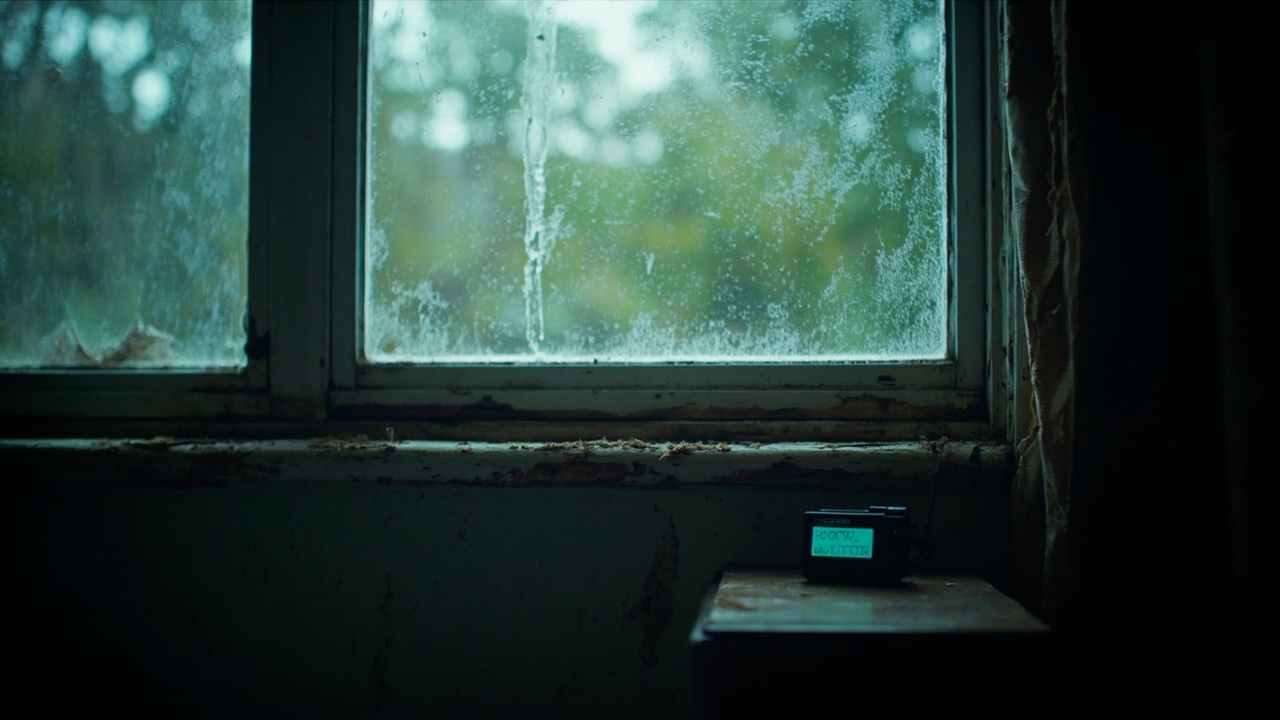
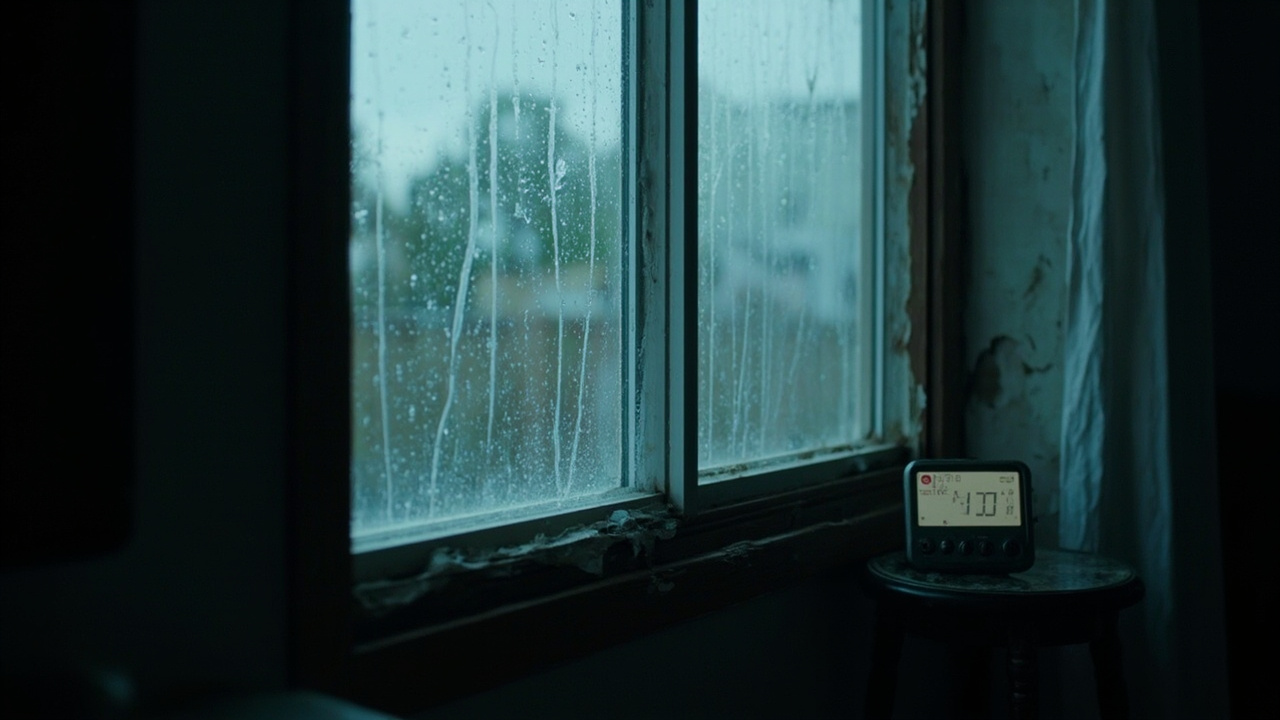
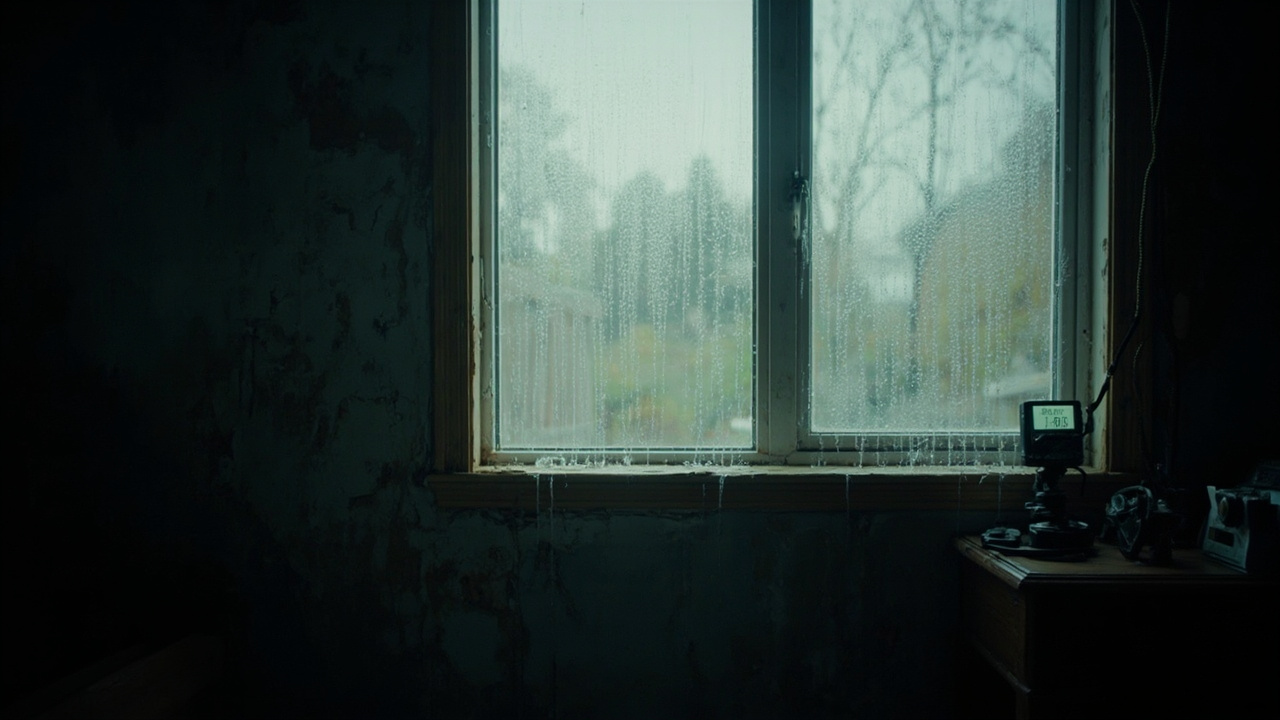
You notice condensation forming on your windows every morning. The bathroom mirror stays foggy for hours after a shower. Your closets smell musty, and you find yourself wiping down surfaces more often than you used to. These are not normal quirks of homeownership. They signal elevated home humidity that poses real risks to both your property and your health.

Seattle's marine climate creates the perfect storm for indoor moisture problems. The city averages 155 days of precipitation annually, and the persistent cloud cover keeps outdoor humidity above 70 percent for much of the year. When that exterior moisture meets your heated indoor air, particularly during fall and winter months, you get condensation on cold surfaces. Add in the older housing stock common in neighborhoods like Queen Anne, Capitol Hill, and Wallingford, where homes built between 1900 and 1950 lack modern vapor barriers and ventilation systems, and you understand why excess humidity in house becomes chronic rather than occasional.

High relative humidity indoors above 60 percent allows mold spores to colonize within 24 to 48 hours. Dust mites thrive in these conditions. Wood framing absorbs moisture and begins to rot. Metal fixtures corrode faster. Your HVAC system works harder to maintain temperature, driving up energy costs while failing to address the root problem.

The Pacific Northwest's temperate climate means Seattle homes rarely experience the extreme temperature swings that force mechanical ventilation in other regions. Without that natural air exchange, indoor moisture accumulates from cooking, showering, laundry, and even breathing. When you see water droplets on windows or feel clammy air inside your home, the moisture load has already exceeded what your home can safely handle.

Why Seattle Homes Struggle With Excessive Indoor Moisture
How We Solve Excessive Indoor Moisture Problems Permanently

How We Solve Excessive Indoor Moisture Problems Permanently

We do not sell you a dehumidifier and call it solved. Effective moisture control requires identifying why humidity accumulates in your specific home, then implementing multiple coordinated solutions that address each contributing factor.

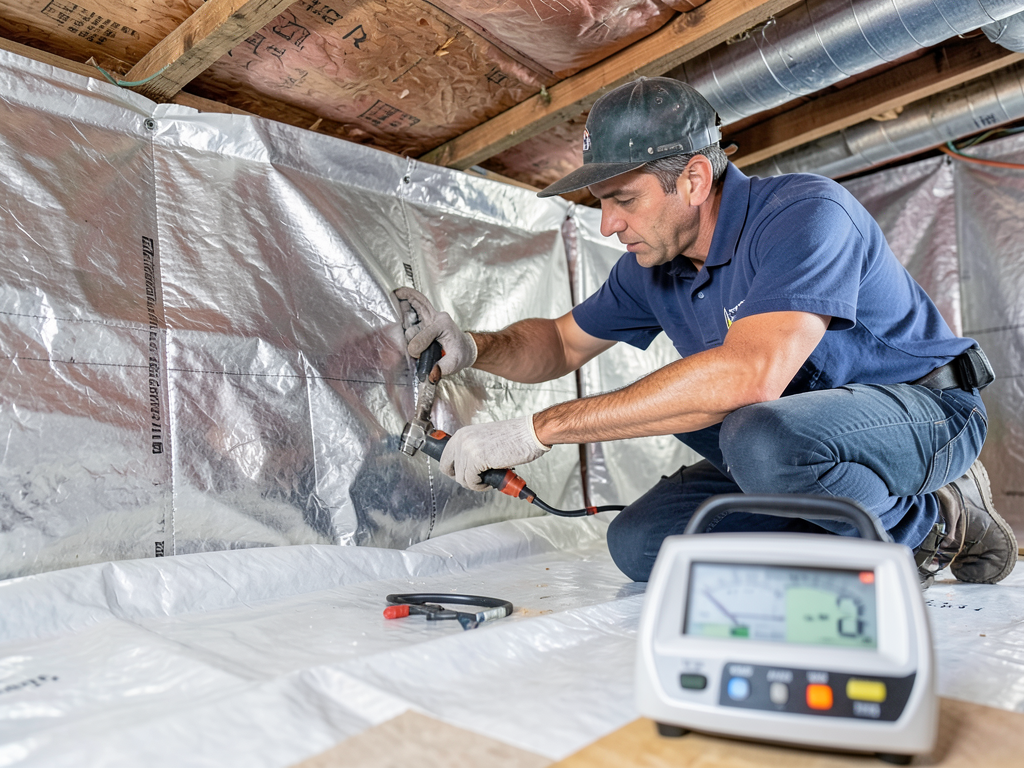
Our assessment begins with calibrated hygrometers that measure relative humidity in every room, including crawl spaces and attics. We use thermal imaging cameras to detect cold spots where condensation forms. We inspect your foundation for groundwater intrusion, check crawl space ventilation, examine attic insulation and vapor barriers, test bathroom and kitchen exhaust fans for adequate CFM output, and identify any plumbing leaks or drainage issues contributing to the moisture load.

Most Seattle homes with chronic humidity problems have multiple failure points. A typical scenario includes an unventilated crawl space with exposed soil, bathroom fans that vent into the attic instead of outdoors, inadequate attic ventilation that traps moisture, and missing or damaged vapor barriers behind exterior walls. Each issue compounds the others.

We prioritize solutions based on impact and cost-effectiveness. Encapsulating your crawl space with 6-mil polyethylene sheeting and installing a dedicated crawl space dehumidifier often delivers the biggest improvement. We redirect exhaust fans to proper exterior terminations, seal air leaks where warm moist air contacts cold surfaces, upgrade attic ventilation to achieve proper air exchange rates, and install whole-home dehumidification systems when mechanical intervention becomes necessary.

The goal is to maintain indoor relative humidity between 30 and 50 percent year-round. That range prevents mold growth, protects building materials, improves air quality, and makes your home more comfortable. We achieve it through building science, not guesswork.

What Happens During Your Moisture Assessment and Remediation

High Indoor Humidity Levels in Seattle – Expert Diagnosis and Permanent Solutions for Moisture Problems
01

Comprehensive Moisture Mapping

We measure humidity levels in every space of your home using calibrated instruments, then use thermal imaging to identify cold surfaces where condensation forms. This diagnostic phase reveals hidden moisture sources like crawl space vapor, attic condensation, or groundwater intrusion that you cannot see but directly contribute to elevated humidity levels. We document baseline readings to track improvement after remediation.
02

Targeted Source Elimination

Based on what we find, we implement solutions specific to your home. This might include crawl space encapsulation with vapor barriers, redirecting exhaust fans, sealing foundation cracks, improving attic ventilation, or installing dedicated dehumidification equipment. We address structural issues first because mechanical solutions alone cannot overcome building envelope failures. Each intervention works together to reduce the total moisture load your home must handle.
03

Verification and Ongoing Monitoring

After completing remediation work, we take follow-up humidity readings in all affected areas to confirm levels have dropped into the safe range. We provide you with a monitoring hygrometer and teach you what to watch for as seasons change. If we install mechanical dehumidification, we program it for optimal performance and explain maintenance requirements. You get documentation of all work performed, including before and after measurements that prove the problem is resolved.

Why Seattle Homeowners Trust Us With Indoor Moisture Problems

Indoor moisture problems require building science knowledge specific to the Pacific Northwest. A solution that works in Phoenix or Miami fails here because Seattle's climate, construction methods, and soil conditions create unique challenges. We built our expertise restoring water-damaged homes throughout King County, which taught us exactly how moisture moves through structures in this region.

Our technicians understand how Seattle's marine air interacts with heated indoor spaces. They recognize the ventilation deficiencies common in pre-1980 construction. They know which crawl space solutions work in our soil types and which create new problems. This local knowledge prevents the trial-and-error approach that wastes your money and prolongs moisture damage.

We see the same patterns repeatedly. Homes in Ballard and West Seattle near Puget Sound battle salt air that accelerates corrosion and holds more moisture. Properties in Rainier Valley and South Seattle deal with higher water tables that push groundwater vapor through foundation slabs. Queen Anne and Capitol Hill homes on steep slopes face drainage issues that send runoff toward foundations. Every neighborhood presents distinct challenges that require adapted solutions.

When we recommend crawl space encapsulation, whole-home dehumidification, or enhanced ventilation, you can trust that recommendation comes from analyzing your specific situation, not from a sales script. We document our findings with photos and moisture readings. We explain why each solution addresses a specific failure point in your home. We prioritize interventions by effectiveness and show you exactly what improvement to expect from each investment.

You need someone who understands building science and has solved excessive indoor moisture in hundreds of Seattle homes with layouts, ages, and conditions similar to yours. Experience matters because moisture problems have multiple causes, and selecting the wrong solution wastes money while damage continues.

What to Expect When You Address High Indoor Humidity

Response Time and Scheduling

We schedule your initial assessment within 48 hours of your call. The evaluation takes two to three hours as we inspect your entire home, measure humidity levels in all spaces, use thermal imaging to identify problem areas, and check crawl spaces, attics, and mechanical systems. You receive a detailed report within 24 hours that explains our findings and prioritizes recommended solutions. If you decide to proceed, we schedule work based on scope and typically begin within one week. Simple interventions like exhaust fan redirection take a day. Comprehensive crawl space encapsulation requires two to three days. We work efficiently to minimize disruption to your household.

The Diagnostic Process

Our assessment goes beyond surface observations. We measure humidity at multiple heights in each room because stratification affects readings. We use thermal cameras to detect temperature differentials that indicate air leaks or inadequate insulation. We inspect your crawl space for standing water, exposed soil, and ventilation adequacy. We check attic spaces for condensation, proper insulation, and ventilation ratios. We test bathroom and kitchen exhaust fans with a flow hood to verify they move adequate air. We examine exterior drainage and grading. This thorough evaluation identifies every factor contributing to elevated humidity so we address root causes, not symptoms.

Results You Can Measure

After remediation, you see immediate improvements. Windows stop fogging. That musty smell disappears. Surfaces feel drier. Your home becomes more comfortable. We provide before and after humidity measurements that document the change. Proper moisture control protects your investment by preventing wood rot, mold growth, and structural damage. It improves indoor air quality, which matters for anyone with allergies or respiratory sensitivity. Your HVAC system runs more efficiently because it no longer fights excess moisture. These benefits compound over time as you avoid the costly repairs that result from chronic moisture exposure.

Ongoing Support and Maintenance

If we install mechanical dehumidification equipment, we explain how to maintain it and when to replace filters. We provide a monitoring hygrometer so you can track humidity levels yourself. We recommend checking readings seasonally because heating and cooling cycles affect indoor moisture. If you encapsulate your crawl space, we suggest annual inspections to verify the vapor barrier remains intact and groundwater conditions have not changed. You can call us anytime with questions or concerns. We stand behind our work and want you to feel confident that your moisture problem is permanently solved.

Frequently Asked Questions

You Have Questions,
We Have Answers

Why is my indoor humidity so high? +

High indoor humidity in Seattle homes typically stems from poor ventilation, water intrusion, or daily activities like cooking and showering. Seattle's marine climate brings persistent moisture, which compounds the issue when homes lack proper exhaust fans or air exchange. Crawl space moisture is common due to the region's heavy rainfall and groundwater presence. Leaking pipes, roof damage, or foundation cracks allow water infiltration. HVAC systems that are oversized or poorly maintained fail to dehumidify air properly. If you see condensation on windows or smell musty odors, moisture is accumulating faster than it can escape. Identifying the source requires inspection of both visible spaces and hidden areas like attics and crawl spaces.

Is 70% humidity too high in a house? +

Yes. 70% indoor humidity is dangerously high and promotes rapid mold growth, dust mite proliferation, and structural damage. The EPA recommends keeping indoor humidity between 30-50%. At 70%, mold spores colonize surfaces within 24-48 hours. You will likely notice condensation on windows, damp walls, and a heavy, stale air quality. In Seattle's mild climate, this level often indicates failed vapor barriers in crawl spaces, inadequate ventilation, or undetected water intrusion. High humidity also makes your home feel warmer than the actual temperature, forcing your HVAC system to work harder. Reduce levels immediately to prevent permanent damage to drywall, framing, and personal belongings.

What is the best humidity level for eczema? +

The optimal indoor humidity level for eczema sufferers is 40-50%. Too low, and skin dries out, causing flares and cracking. Too high, and sweat cannot evaporate properly, trapping heat and irritants against the skin. Seattle's outdoor humidity fluctuates seasonally, so controlling indoor levels requires active monitoring. Use a hygrometer to track readings in bedrooms and living spaces. Run a dehumidifier during wet months when outdoor moisture infiltrates the home. In winter, when heating systems dry indoor air, a humidifier may be necessary. Consistency matters more than perfection. Rapid swings between dry and humid conditions trigger flare-ups worse than steady, moderate humidity.

Is 50% indoor humidity too high? +

50% indoor humidity is at the upper threshold of acceptable levels. It is not too high, but it sits at the edge where problems can develop if conditions shift. In Seattle, where outdoor humidity frequently exceeds 70%, maintaining 50% indoors requires active dehumidification during fall and winter. At this level, mold growth is possible on cold surfaces like basement walls or poorly insulated windows. Dust mites thrive at 50% and above. Most homes function well at 45-48%, which provides a safety margin against unexpected moisture spikes from cooking, laundry, or water intrusion. Monitor levels daily, especially in basements and crawl spaces where humidity concentrates.

How to lower humidity in house fast? +

Lower indoor humidity fast by running exhaust fans in bathrooms and kitchens, opening windows on dry days, and running a portable dehumidifier in the most affected room. Turn on your HVAC fan to circulate air throughout the home, which helps distribute moisture evenly and allows your system to remove it. Stop using humidifiers, dry clothes outdoors or in a vented dryer, and fix any visible leaks immediately. In Seattle homes, check crawl spaces for standing water and ensure vapor barriers are intact. If humidity remains elevated after these steps, you likely have hidden water intrusion requiring professional detection. Persistent high humidity indicates a structural issue that surface fixes cannot resolve.

How to reduce high humidity in a room? +

Reduce humidity in a single room by targeting moisture sources and improving air circulation. Run a portable dehumidifier sized appropriately for the square footage. Open windows when outdoor humidity is lower than indoor levels. Use fans to move air toward exits or HVAC returns. Remove moisture-generating items like damp clothing, wet towels, or potted plants. In basements or ground-level rooms common in Seattle homes, seal foundation cracks and ensure proper drainage around the exterior perimeter. Check for leaks in walls or ceilings. If the room lacks ventilation, install an exhaust fan or ensure existing vents are not blocked. Persistent room-specific humidity often signals localized water intrusion.

What is dangerously humid indoors? +

Indoor humidity above 60% is dangerously high and creates conditions for rapid mold colonization, respiratory problems, and structural decay. At 65-70%, mold spreads aggressively across drywall, wood framing, and porous materials. Dust mites proliferate, triggering allergies and asthma. Above 70%, condensation forms on cold surfaces, and wood begins to rot. Seattle's mild, wet climate makes these levels easy to reach without active dehumidification. You will notice physical discomfort, musty smells, and visible moisture. Long-term exposure degrades indoor air quality and can cause permanent damage to your home. If readings exceed 60%, immediate intervention is required to prevent health risks and costly repairs.

Does opening a window reduce humidity? +

Opening a window reduces indoor humidity only if outdoor air is drier than indoor air. In Seattle, outdoor humidity often exceeds indoor levels, especially during fall, winter, and spring. Opening windows during these periods introduces more moisture, worsening the problem. Check outdoor humidity with a weather app before opening windows. On rare dry days, cross-ventilation can help flush humid air outdoors. However, this is a temporary fix and ineffective during persistent wet weather. Relying on windows alone is insufficient in marine climates. Proper ventilation requires exhaust fans, dehumidifiers, and HVAC systems designed to manage moisture year-round. Do not assume fresh air equals dry air.

Can mold grow at 50% humidity? +

Yes. Mold can grow at 50% humidity if conditions favor colonization. While growth rates are slower than at higher humidity levels, mold spores remain viable and will colonize cold surfaces, porous materials, or areas with poor air circulation. Basements, crawl spaces, and exterior walls in Seattle homes are particularly vulnerable due to temperature differentials that cause condensation. Certain mold species thrive at lower humidity levels when organic material like drywall, wood, or fabric provides a food source. Maintaining humidity below 50%, ideally around 45%, reduces risk significantly. Pairing controlled humidity with proper ventilation and temperature management prevents mold establishment even when spores are present.

Does a dehumidifier help eczema? +

Yes. A dehumidifier helps eczema by maintaining stable indoor humidity between 40-50%, which prevents skin from drying out or becoming irritated by excess moisture. In Seattle, where outdoor humidity fluctuates and penetrates homes, a dehumidifier controls the indoor environment independently of weather conditions. Eczema worsens when humidity is too high, trapping sweat and allergens against the skin, or too low, causing cracking and flaking. A dehumidifier removes excess moisture during wet months, while a humidifier may be needed during heated winter months. Consistent humidity levels reduce flare-ups more effectively than topical treatments alone. Use a hygrometer to monitor levels in bedrooms where you spend extended time.

How Seattle's Marine Climate and Housing Stock Create Chronic Humidity Issues

Seattle receives 38 inches of precipitation annually, but the constant cloud cover and proximity to Puget Sound keep outdoor humidity elevated even on days without rain. When that moisture-laden air enters your home through normal infiltration or gets pulled in by exhaust fans, it meets heated indoor air during cool months. The temperature differential causes condensation on cold surfaces like single-pane windows, exterior walls with poor insulation, and unheated crawl spaces. Older Seattle neighborhoods feature homes built before modern building codes required vapor barriers, proper attic ventilation, and adequate insulation. These homes were designed for natural ventilation through leaky construction, but decades of weatherization and window replacement have sealed them tighter without adding mechanical ventilation to compensate. The result is trapped moisture with nowhere to go.

We have worked with hundreds of Seattle homeowners facing excessive indoor moisture, from craftsman bungalows in Fremont to mid-century ramblers in Lake City. That experience taught us which solutions work in our specific climate and construction types. We know how to retrofit ventilation into older homes without compromising their character. We understand which crawl space treatments survive our wet winters. We follow Seattle's building codes and work with the city's inspection requirements when structural modifications require permits. Local expertise matters because a moisture solution that works perfectly in a dry climate can fail or create new problems in the Pacific Northwest's persistently damp conditions.


Water Damage Restoration Services in The Seattle Area

Evergreen proudly serves Seattle and its surrounding communities with professional water damage restoration you can count on. Whether you’re downtown, in the suburbs, or nearby, our responsive team is just a call away. View our service area on the map to see if we’re available in your neighborhood. We’re committed to helping local homeowners and businesses recover fast—so if you need help, we’ll come to you. Use the map below to locate our base or service radius and reach out anytime.

Address:
Evergreen Water Damage Restoration Seattle, 600 Stewart St, Seattle, WA, 98101

Additional Services We Offer

Our news updates

Latest Articles & News from The Blogs

Professional Crawl Space Encapsulation and Drying for Pinehurst Homeowners Pinehurst homes face unique moisture challenges due to Seattle’s high rainfall…

Professional Crawl Space Encapsulation and Drying for Pinehurst Homeowners

Professional Crawl Space Encapsulation and Drying for Pinehurst Homeowners Pinehurst homes face unique moisture challenges due to Seattle’s high rainfall…

Why Your North City Basement Needs Professional Drying After a Heavy Rainfall

Why Your North City Basement Needs Professional Drying After a Heavy Rainfall Heavy rainfall in North City floods basements fast.…

Dealing with Sewer Line Backups in Your Rainier Beach Investment Property

Dealing with Sewer Line Backups in Your Rainier Beach Investment Property Raw sewage backing up into your Rainier Beach rental…

Contact Us

Stop living with foggy windows, musty smells, and the health risks of excessive moisture. Call Evergreen Water Damage Restoration Seattle at (564) 220-5525 for a comprehensive assessment. We identify exactly why your home stays damp and implement solutions that work permanently in Seattle's climate.