
menu

Basement Flood Cleanup in Seattle – 24/7 Emergency Water Extraction and Complete Structural Drying

Evergreen Water Damage Restoration Seattle delivers rapid basement water extraction, mold prevention, and structural drying services across King County, protecting your property from long-term damage caused by Seattle's unique groundwater and rain challenges.

Slider Image 1
Slider Image 2
Slider Image 3
Slider Image 4
Slider Image 5
Slider Image 7
Slider Image 8
Slider Image 9
Slider Image 10
Slider Image 11

Why Seattle Basements Flood and Why Speed Matters

Seattle sits at the convergence of Puget Sound and the Cascade foothills, creating a perfect storm for basement flooding. The city receives over 37 inches of rain annually, and the saturated clay soils common in neighborhoods like Ballard, Greenwood, and West Seattle expand and contract with seasonal moisture changes. This soil movement creates hydrostatic pressure against foundation walls, forcing groundwater into basements through cracks, window wells, and floor seams.

When water enters your basement, the clock starts ticking. Within 24 hours, porous materials like drywall and insulation absorb moisture. Within 48 hours, mold spores begin colonizing. The combination of Seattle's mild temperatures and high humidity creates ideal conditions for microbial growth, which threatens both structural integrity and indoor air quality.

Flooded basement water removal is not just pumping out standing water. It requires understanding subsurface drainage patterns, identifying entry points, and deploying industrial-grade extraction equipment to pull moisture from concrete, subfloor assemblies, and wall cavities. Basement water extraction must address both visible pooling and hidden saturation in porous materials. Without comprehensive flooded basement remediation, you are left with a damp environment that degrades over time, even if the surface appears dry.

The longer water sits, the more expensive the damage becomes. Warped flooring, compromised electrical systems, and corroded HVAC components are common outcomes when flooded basement restoration is delayed. You need a team that understands Seattle's geology and acts fast.

Why Seattle Basements Flood and Why Speed Matters
Our Flooded Basement Remediation Process

Our Flooded Basement Remediation Process

Evergreen Water Damage Restoration Seattle uses a multi-phase approach to basement flood restoration that goes beyond basic flooded basement pumping. We start with source identification. Is the water coming from a sump pump failure, a ruptured supply line, surface runoff infiltration, or groundwater seepage? Each source requires a different remediation strategy.

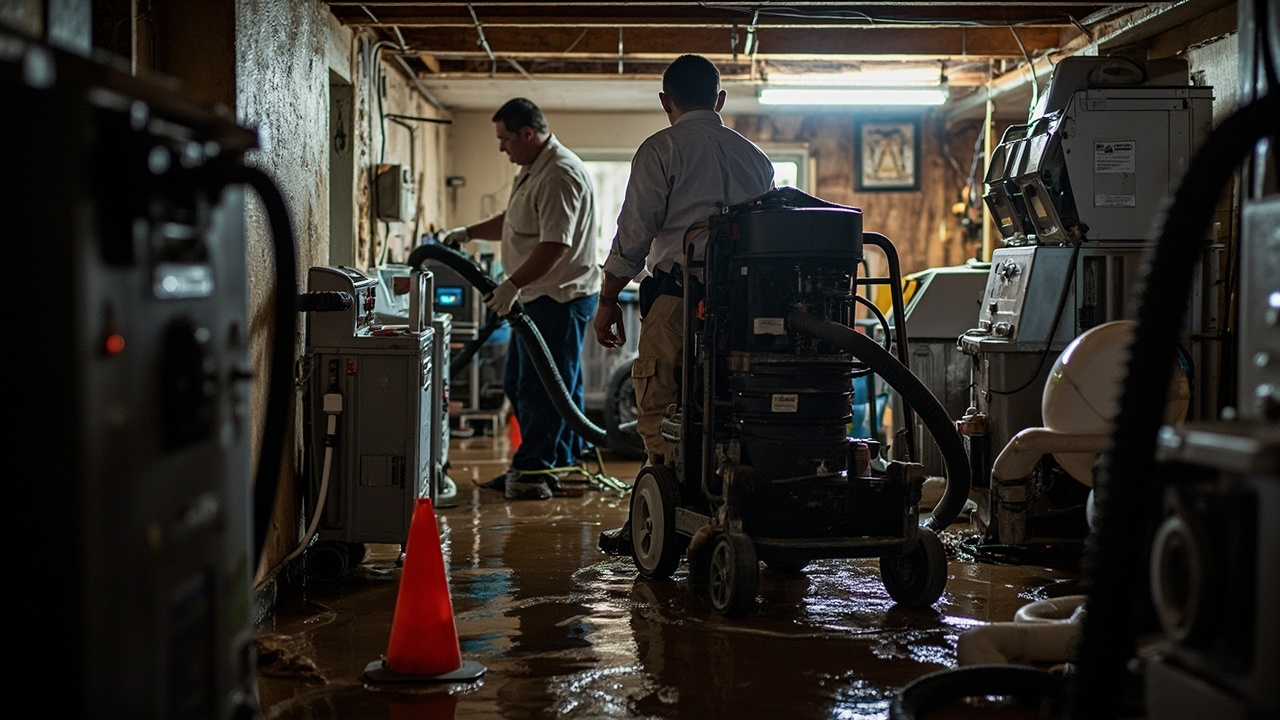
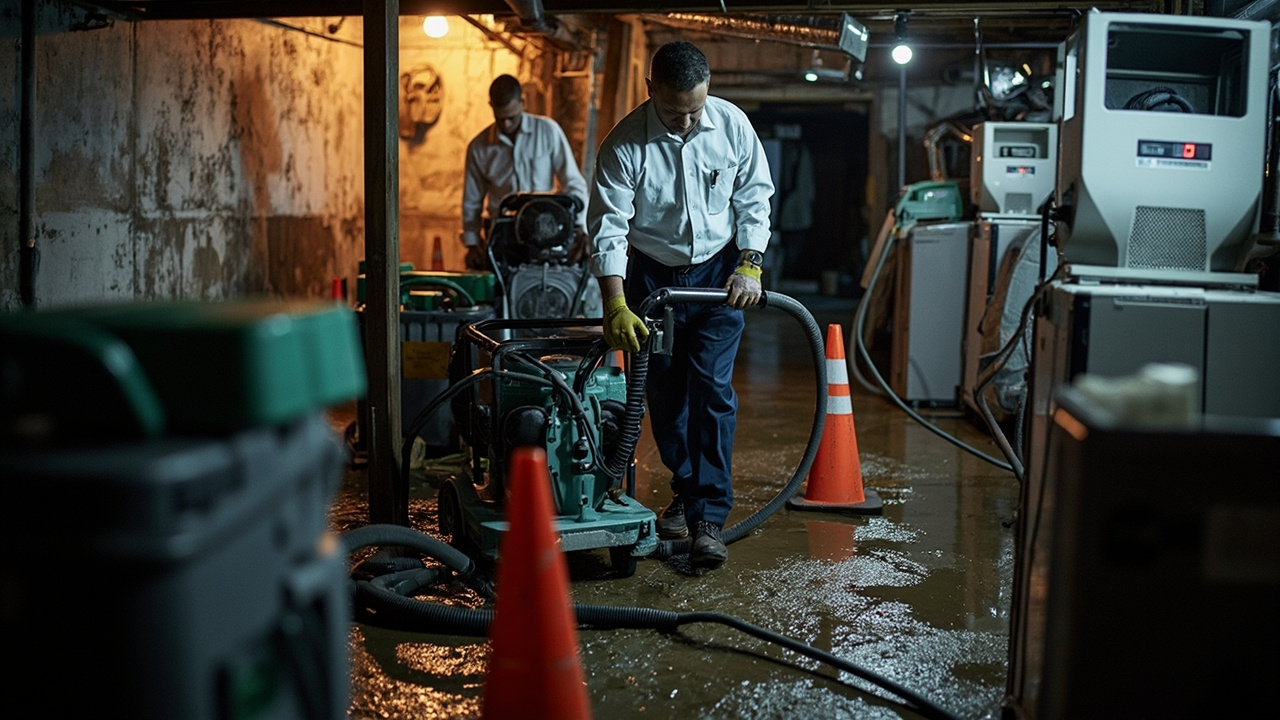
Once the source is controlled, we deploy truck-mounted extractors and submersible pumps for high-volume water removal. For standing water deeper than two inches, we use gas-powered trash pumps capable of moving hundreds of gallons per minute. This is not a shop-vac job. After bulk extraction, we use weighted extraction tools to pull water from carpet padding and subflooring, preventing delamination and rot.

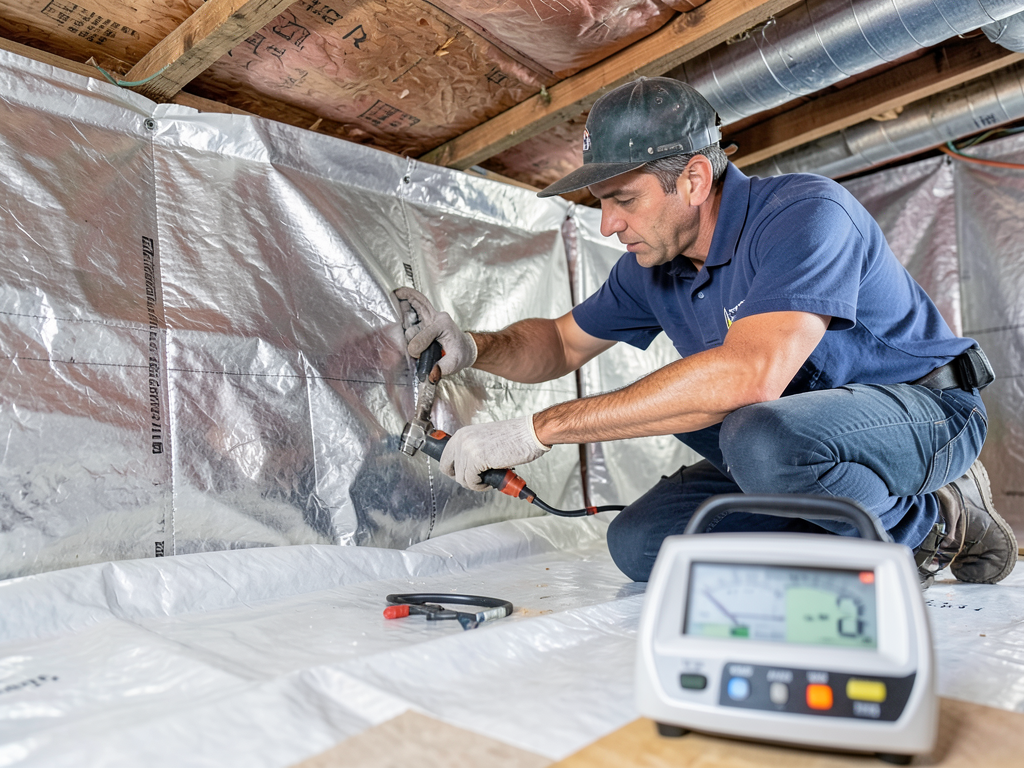
Next comes moisture mapping. We use thermal imaging cameras and pin-type moisture meters to identify hidden saturation in wall studs, insulation batts, and rim joists. These areas often hold moisture long after visible water is gone, creating ideal conditions for mold amplification. We document moisture levels in multiple locations to track drying progress and ensure complete remediation.

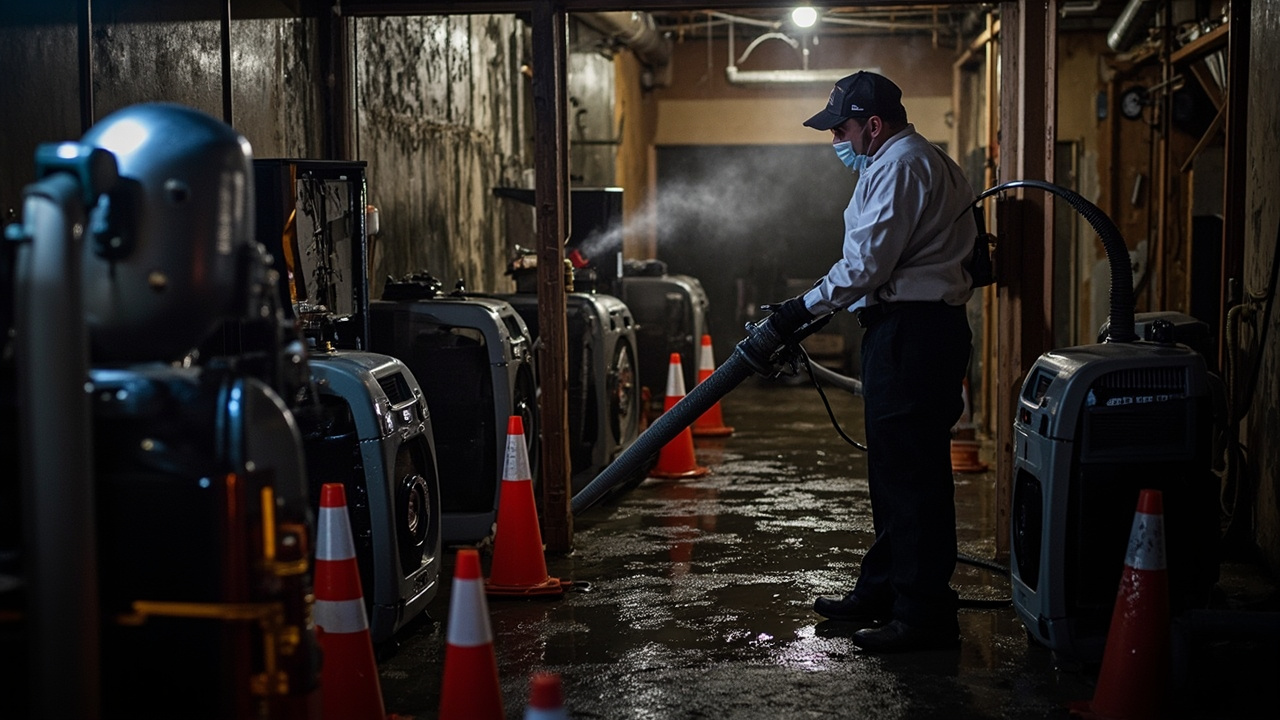
Our drying protocol uses a combination of low-grain refrigerant (LGR) dehumidifiers and high-velocity air movers positioned to create airflow across all wet surfaces. We calculate the correct equipment density based on the volume of affected space and the class of water damage. For basements with finished walls, we often drill small weep holes near the floor to allow airflow behind drywall, accelerating evaporation without requiring full demolition.

We monitor drying conditions twice daily, adjusting equipment placement and settings based on real-time psychrometric readings. The goal is to return materials to their pre-loss moisture content, which typically takes three to five days depending on the severity of saturation.

What Happens During Your Basement Flood Cleanup

Basement Flood Cleanup in Seattle – 24/7 Emergency Water Extraction and Complete Structural Drying
01

Emergency Water Extraction

We arrive with truck-mounted extraction units and submersible pumps to remove standing water immediately. Our team inspects for electrical hazards, shuts off power to affected circuits if needed, and begins high-volume pumping. We extract water from carpets, tile floors, and concrete slabs using weighted wands that pull moisture from porous materials. This phase prevents secondary water migration into walls and reduces overall drying time.
02

Moisture Detection and Mapping

After extraction, we use thermal imaging and moisture meters to locate hidden saturation in wall cavities, insulation, and structural framing. We document moisture levels in baseboards, drywall, and subflooring to establish a drying baseline. This data guides equipment placement and helps us identify materials that may require removal. We check for wicking in drywall and test concrete slab moisture levels using non-invasive sensors to ensure complete assessment.
03

Structural Drying and Monitoring

We deploy LGR dehumidifiers and air movers strategically to create optimal drying conditions. Equipment runs continuously while we monitor temperature, humidity, and material moisture content twice daily. We adjust airflow patterns and dehumidifier settings based on psychrometric readings to maximize evaporation rates. Once materials return to normal moisture levels, we remove equipment and provide a final moisture report. Your basement is dry, safe, and ready for restoration.

Why Seattle Homeowners Choose Evergreen Water Damage Restoration

Seattle's building stock presents unique challenges for flooded basement restoration. Many homes in neighborhoods like Queen Anne, Capitol Hill, and Ravenna were built between 1900 and 1950, featuring rubble stone foundations, minimal waterproofing, and outdated drainage systems. These older homes require technicians who understand period construction methods and can identify structural vulnerabilities that modern homes do not have.

We know the difference between a perimeter drain failure and a window well overflow because we have worked in thousands of Seattle basements across every neighborhood and soil type. We understand how the city's sloped terrain affects surface water runoff and how improperly graded yards in areas like Magnolia and Alki funnel water toward foundations during heavy rain events.

Our team is trained in the specific mold species common to the Pacific Northwest, including Stachybotrys and Aspergillus, which thrive in damp basements. We follow IICRC S520 standards for mold remediation and use HEPA-filtered negative air machines to contain spores during cleanup. This protects your family and prevents cross-contamination to upper floors.

We also work directly with insurance adjusters familiar with King County claims. We provide detailed moisture logs, photo documentation, and equipment placement diagrams that meet insurance standards for emergency mitigation coverage. This streamlines your claim and reduces out-of-pocket expenses.

You need a team that understands Seattle's hydrology, construction history, and climate challenges. Evergreen Water Damage Restoration Seattle has spent years studying how water moves through local soils and structures. We do not use cookie-cutter approaches. Every basement flood cleanup is customized to the specific conditions of your property, soil type, and water source.

What to Expect During Basement Flood Cleanup

Immediate Response Time

We operate 24/7 and dispatch crews to flooded basements across Seattle within 60 to 90 minutes of your call. Our trucks are pre-loaded with extraction pumps, dehumidifiers, air movers, and moisture detection equipment, so we arrive ready to work. We do not wait until morning or schedule you three days out. Flooded basements worsen by the hour, and our rapid response minimizes damage and reduces restoration costs. Night, weekend, or holiday, we answer the phone and get moving. You will speak with a technician, not a voicemail system, and we provide an estimated arrival time immediately.

Comprehensive Damage Assessment

Before we start pumping, we assess the water source, electrical hazards, structural stability, and contamination risk. We check for sewage backflow, which changes the entire remediation protocol. We inspect sump pump function, foundation cracks, and drainage systems to determine why the flood occurred. Our assessment includes moisture mapping with thermal cameras and meters to locate hidden saturation. We photograph all affected areas and document moisture readings for insurance purposes. You receive a written scope of work that outlines the extraction process, drying timeline, and recommended repairs. This transparency helps you make informed decisions about next steps.

Complete Structural Drying

We do not declare a basement dry based on appearance. We use calibrated moisture meters to confirm that all building materials have returned to their normal moisture content. This typically takes three to five days of continuous equipment operation, depending on the volume of water and the type of materials affected. We monitor conditions twice daily and adjust equipment to maintain optimal drying conditions. Our goal is not just to remove standing water but to eliminate all moisture from concrete, wood framing, insulation, and subfloor assemblies. You receive a final moisture report showing pre-loss and post-drying readings, proving that your basement is safe from mold and structural degradation.

Post-Drying Recommendations

After drying is complete, we provide a detailed report outlining any necessary repairs, such as replacing damaged drywall, treating mold growth, or repairing foundation cracks. We identify the root cause of the flood and recommend preventive measures like sump pump upgrades, exterior grading improvements, or window well covers. If mold is present, we provide a separate remediation quote and containment plan. We also offer antimicrobial treatment for porous surfaces that were exposed to contaminated water. Our goal is to leave your basement not just dry but protected from future flooding. We do not upsell unnecessary services, but we do provide the information you need to make your basement safer and more resilient.

Frequently Asked Questions

You Have Questions,
We Have Answers

How much does it cost to clean a flooded basement? +

Basement flood cleanup in Seattle ranges from $1,500 to $10,000, depending on water depth, square footage, and damage severity. Category 1 (clean water) costs less than Category 3 (sewage backup). Structural drying, mold remediation, and content restoration add to the total. Seattle homes with persistent groundwater issues or compromised foundation drains often face higher costs due to moisture intrusion patterns common in the region. Insurance may cover sudden events like burst pipes but typically excludes gradual seepage or neglect. Get a professional assessment fast to prevent mold growth and escalating expenses.

How to clean up a flood in a basement? +

First, ensure electrical safety. Turn off power at the breaker if water contacts outlets or appliances. Remove standing water using submersible pumps or a wet vac. Extract all wet materials like carpets, drywall, and insulation within 24 hours to prevent mold. Set up commercial dehumidifiers and air movers to dry structural components. Seattle's high humidity slows drying, so professional equipment is often necessary. Disinfect all surfaces to eliminate bacteria, especially if sewage or stormwater entered. Document everything for insurance. Do not rush this process. Trapped moisture in walls or subfloors leads to chronic mold problems.

How much does basement flood clean up cost per square foot? +

Basement flood cleanup averages $7 to $30 per square foot in Seattle. Light water extraction and drying start around $7 per square foot. Contaminated water, structural repairs, or mold remediation push costs toward $30 or higher. Older Seattle homes with crawl spaces or pier-and-beam foundations may require additional underpinning work. The Pacific Northwest climate means moisture lingers longer, increasing drying time and labor. Costs also depend on furnace or water heater replacement if submerged. Get multiple quotes and ensure the estimate includes moisture testing, antimicrobial treatment, and final clearance inspections.

How long does it take to clean a flooded basement? +

Water extraction takes 1 to 3 hours for most Seattle basements. Structural drying requires 3 to 7 days using industrial dehumidifiers and air movers. Seattle's dampness extends drying time compared to drier climates. If mold starts, add 1 to 3 days for remediation. Content restoration, including furniture or electronics, extends the timeline further. Sewage backups demand longer disinfection protocols. Do not occupy the space until moisture readings confirm complete drying. Rushed jobs trap moisture in walls and subfloors, causing long-term damage. Professionals use thermal imaging and moisture meters to verify dryness before closing walls.

Will homeowners insurance cover a flooded basement? +

Homeowners insurance typically covers sudden, accidental basement flooding like burst pipes or appliance failures. It excludes gradual leaks, poor maintenance, or surface water intrusion. Seattle homeowners face frequent groundwater seepage due to heavy rainfall and high water tables, which standard policies do not cover. Sewer backup coverage requires a separate endorsement. Flood insurance through FEMA covers rising water from storms or rivers but not internal plumbing failures. Read your policy carefully and document everything immediately. Submit photos, receipts, and a professional estimate. Delays weaken your claim. Insurance adjusters often dispute coverage, so precise documentation matters.

How much does Servpro cost to clean a basement? +

Servpro pricing for basement cleanup in Seattle varies by job scope, water category, and square footage. Expect similar industry rates of $1,500 to $10,000 for complete restoration. Franchise locations set their own pricing based on overhead and local demand. Compare multiple Seattle restoration companies before committing. Ask for itemized estimates covering water extraction, structural drying, antimicrobial treatment, and content handling. Some providers bundle services, others charge separately. Verify the company uses IICRC-certified technicians and maintains proper licensing. Price alone does not indicate quality. Fast response, transparent communication, and insurance experience often matter more than the lowest bid.

How long does it take for mold to grow after flooding? +

Mold begins growing within 24 to 48 hours after basement flooding in Seattle. The Pacific Northwest's high humidity accelerates spore colonization. Porous materials like drywall, insulation, and carpet absorb water fast, creating ideal conditions for black mold and other toxic species. Mold spreads invisibly inside wall cavities and under flooring before becoming visible. Remove wet materials immediately and dry all surfaces within 24 hours to prevent growth. Once established, mold requires professional remediation with containment barriers, HEPA filtration, and antimicrobial treatments. Do not wait. Delay turns a cleanup job into a health hazard and costly remediation project.

Is it safe to stay in a house with a flooded basement? +

No. Staying in a house with a flooded basement risks electrical shock, structural collapse, and toxic exposure. Standing water conducts electricity through outlets, wiring, and appliances. Seattle homes with older electrical systems face higher electrocution risk. Contaminated water from sewage or stormwater carries bacteria, viruses, and chemicals. Airborne mold spores trigger respiratory distress within hours. Structural damage weakens floor joists and foundation walls. Evacuate until professionals confirm safety. Turn off power at the main breaker before entering. Wear protective gear if you must retrieve essentials. Do not let children or pets near floodwater. Insurance covers temporary housing during restoration.

How to get water out of basement without a sump pump? +

Use a submersible utility pump connected to a garden hose, discharging water away from the foundation. Rent a gas-powered trash pump for large volumes. A wet/dry vacuum works for shallow flooding under 2 inches. Seattle homes without sump pumps often lack proper drainage systems, so address the root cause after extraction. Check foundation drains and downspouts for clogs. Manually bucket out water as a last resort, though this is slow and exhausting. After extraction, set up fans and dehumidifiers immediately. Do not let water sit. Trapped moisture seeps into walls and subfloors, causing hidden damage and mold.

Does flood insurance pay for clean up? +

Flood insurance through FEMA's National Flood Insurance Program covers cleanup costs related to rising water from storms, rivers, or coastal surges. It includes structural drying, debris removal, and damaged system replacement. Seattle homes in flood zones or near Puget Sound qualify for policies. Standard homeowners insurance does not cover flood cleanup, only sudden internal water damage like burst pipes. Read your policy definitions carefully. Flood insurance excludes mold remediation unless cleanup starts immediately. Document all damage with photos and keep receipts. File claims within 60 days. Restoration professionals familiar with flood insurance help navigate the claims process and maximize reimbursement.

How Seattle's Saturated Soils and Aging Drainage Systems Increase Basement Flood Risk

Seattle's marine clay and glacial till soils have low permeability, meaning water does not drain quickly after rain events. During extended wet periods from October through April, the water table rises, and hydrostatic pressure builds against foundation walls. This pressure forces groundwater through any available opening, including floor-wall joints, utility penetrations, and foundation cracks. In neighborhoods built on fill soil, such as parts of Interbay and Georgetown, settling foundations create additional pathways for water infiltration. Many Seattle homes also rely on gravity-fed perimeter drains that empty into street storm systems, but these drains often clog with silt and roots, causing water to back up into basements. Without proper flooded basement pumping and extraction, this seasonal saturation leads to chronic dampness and mold growth.

Seattle updated its stormwater code in 2016, requiring new construction to manage runoff on-site, but older homes were grandfathered in. This means thousands of properties across the city still lack adequate drainage infrastructure. Evergreen Water Damage Restoration Seattle works with local plumbers, foundation contractors, and drainage specialists who understand King County soil reports and can recommend long-term solutions after emergency cleanup is complete. We also understand the nuances of Seattle's historic districts, where foundation repairs may require permits and design review. Choosing a local team means working with professionals who know the regulatory environment, the construction history, and the hydrology of your specific neighborhood.


Water Damage Restoration Services in The Seattle Area

Evergreen proudly serves Seattle and its surrounding communities with professional water damage restoration you can count on. Whether you’re downtown, in the suburbs, or nearby, our responsive team is just a call away. View our service area on the map to see if we’re available in your neighborhood. We’re committed to helping local homeowners and businesses recover fast—so if you need help, we’ll come to you. Use the map below to locate our base or service radius and reach out anytime.

Address:
Evergreen Water Damage Restoration Seattle, 600 Stewart St, Seattle, WA, 98101

Additional Services We Offer

Our news updates

Latest Articles & News from The Blogs

Professional Crawl Space Encapsulation and Drying for Pinehurst Homeowners Pinehurst homes face unique moisture challenges due to Seattle’s high rainfall…

Professional Crawl Space Encapsulation and Drying for Pinehurst Homeowners

Professional Crawl Space Encapsulation and Drying for Pinehurst Homeowners Pinehurst homes face unique moisture challenges due to Seattle’s high rainfall…

Why Your North City Basement Needs Professional Drying After a Heavy Rainfall

Why Your North City Basement Needs Professional Drying After a Heavy Rainfall Heavy rainfall in North City floods basements fast.…

Dealing with Sewer Line Backups in Your Rainier Beach Investment Property

Dealing with Sewer Line Backups in Your Rainier Beach Investment Property Raw sewage backing up into your Rainier Beach rental…

Contact Us

Do not wait for mold to take hold or structural damage to worsen. Call Evergreen Water Damage Restoration Seattle now at (564) 220-5525 for immediate basement flood cleanup. We are ready 24/7 to extract water, dry your space, and protect your home.